

Affordable rents, fast-rising wages, and a booming jobs market are drawing a new wave of young Britons east, as Poland shrugs off its communist past and threatens to overtake the UK in living standards.
A new land of opportunity for the young
For a growing number of British graduates and young professionals, Warsaw, Kraków and Gdańsk now evoke possibility rather than post-Soviet gloom. Poland’s economy is forecast to grow significantly faster than the UK’s, with robust GDP expansion underpinned by strong productivity, thriving exports and large inflows of foreign investment.
Poland’s labour market is tight, unemployment is among the lowest in the EU, and employers in sectors from tech to engineering are hungry for skilled workers. In contrast, many young Britons feel trapped in a cycle of insecure work, high housing costs and stalled wages at home, making a one-way ticket to Warsaw or Wrocław look less like a gamble and more like an upgrade.
From communist laggard to EU frontrunner
Within living memory, Poland was synonymous with shortages, queues and the grey grind of a centrally planned economy. Under communist rule, private enterprise was throttled, industry was nationalised and the country was saddled with unsustainable debts, leaving living standards lagging far behind Western Europe.
Democratic change in 1989 opened the door to market reforms, EU accession and integration into global supply chains. Over the past three decades, Poland has posted some of the strongest growth records in Europe, steadily closing the wealth gap with older member states and building an industrial base that now anchors multinational factories, logistics hubs and tech centres.
Cost of living: where Poland pulls ahead
If Britain’s crisis has a face, it is the young worker handing over half their salary to a landlord for a damp room in a shared house. In Poland’s cities, rents and everyday expenses still sit far below British levels, even as local salaries rise. On measures that adjust for purchasing power, Poland is already within striking distance of British incomes, and its prime minister has set the explicit goal of overtaking the UK by the end of the decade.
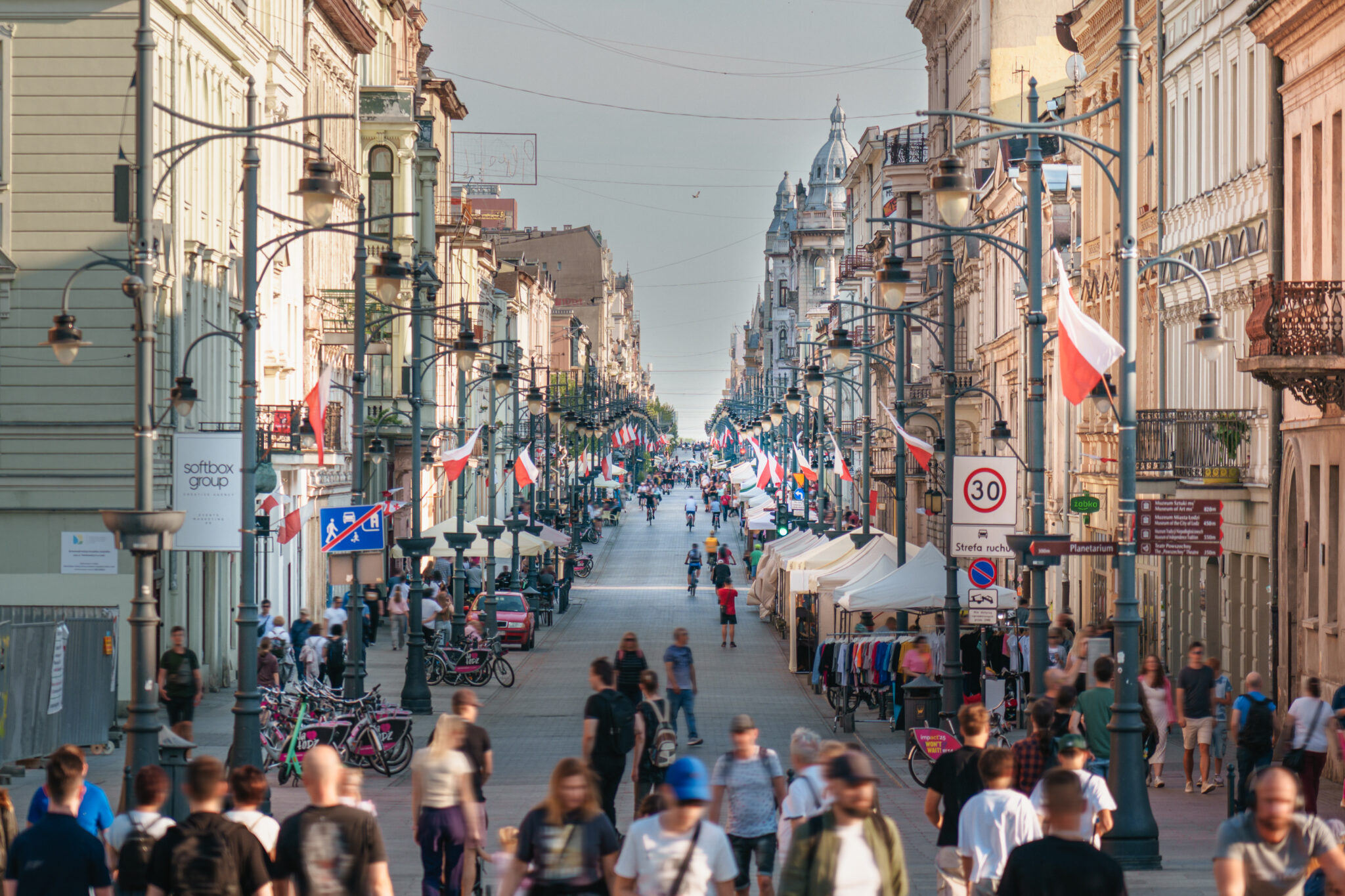
That lower cost base translates into tangible gains: the ability to save, to start a small business, or simply to enjoy a standard of living that feels out of reach in London or Manchester. For many new arrivals from Britain, the surprise is not just that they can afford their own flat, but that Poland’s urban core feels modern, confident and increasingly cosmopolitan.
Education, skills and the new Polish brand
Poland’s rise is not built solely on cheap labour. Over the past 20 years, the country has climbed steadily in international education rankings, particularly in maths and science, feeding a workforce that is comfortable in both manufacturing and high-tech roles. This educational strength has helped Poland attract higher-value foreign investment, from automotive plants and electronics facilities to business services and software development.
The result is a quiet rebranding. The clichés of grim tower blocks and outdated factories are giving way to images of glass-fronted campuses, buzzing start-up spaces and well-connected regional cities. Increasingly, it is Britain—not Poland—that risks looking like the tired, underperforming economy resting on faded prestige.
Political strains and the question of sustainability
Poland’s ascent is not without its vulnerabilities. Bitter political feuds between the government and a conservative president have raised questions about long-term stability and the pace of reform, particularly around the judiciary and taxation. Business leaders warn that prolonged institutional deadlock could deter investors just as Poland seeks to move further up the value chain.
The demographic crunch is another looming challenge. With one of the EU’s lowest birth rates and a shortage of skilled workers from bricklayers to welders, Poland’s growth model increasingly depends on immigration and smart labour policy. Politicians remain cautious about large-scale migration from outside the EU, even as employers insist that new workers are essential to build roads, infrastructure and the nuclear plants meant to secure the country’s energy future.
Britain’s warning, Poland’s wager
For British policymakers, Poland’s trajectory is an uncomfortable mirror. A country once dismissed in Westminster as peripheral is now projected, on some measures, to surpass the UK’s living standards within a few years. While Britain battles low productivity, stagnant real wages and political fatigue, Poland is cashing in on decades of reform, EU funding and a reputation for competence in core economic policy.
For young Britons boarding flights east, the calculation is pragmatic rather than romantic: better pay relative to costs, clearer prospects and a sense of being part of an economy that is still climbing rather than clinging on. Poland, once written off as a “communist, third world country,” has become both a destination and a warning—a reminder that in today’s Europe, reputations can change faster than politicians dare to admit.