

Argentina naturalization rules changed in 2025, and the toughest new condition only shows itself when an applicant leaves the country. One trip abroad can reset the clock to zero. President Javier Milei’s government rewrote the path to an Argentine passport by decree. Most of the changes make it harder.
What the residency clock now requires
The core change rewrote how Argentina counts the years toward citizenship. Decree 366/2025, published in the official gazette May 29, 2025, requires two continuous years of legal residence that an applicant holds by staying inside the country.
The two-year period itself is not new. What changed is the demand that those years be unbroken and physically spent in Argentina, with any departure able to send the count back to zero, a condition with few parallels in the West.
The decree also drained value from “precaria” status, the provisional permit issued while a residence application is pending. Time spent on it no longer counts toward the residency a naturalization claim needs. The government framed the rewrite as a way to reserve citizenship for foreigners who actually live in Argentina, not those who pass through.
Where citizenship applications go now
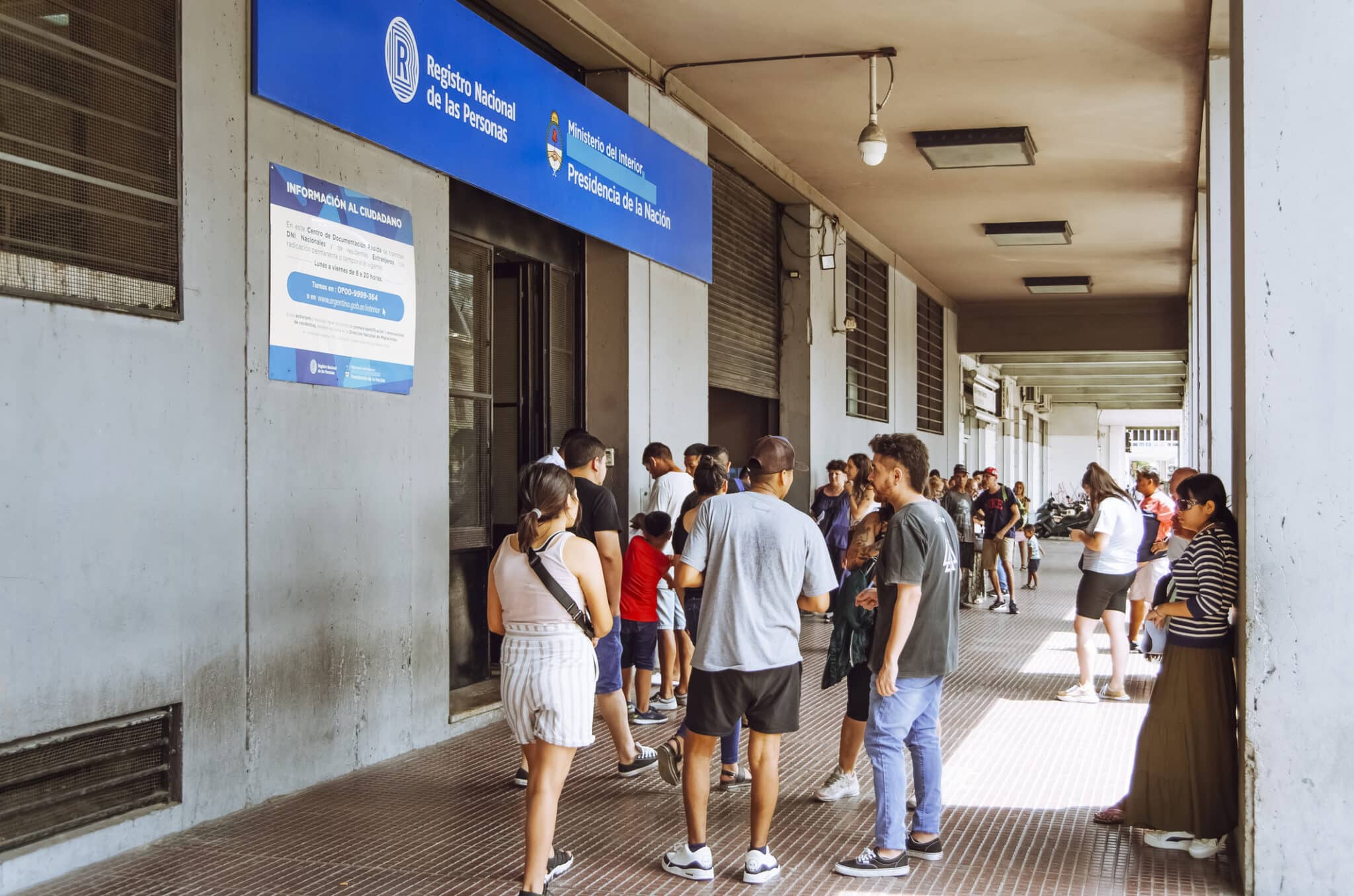
The decree moved who decides. Citizenship cases used to run through federal courts. They now go to the National Directorate of Migration, the agency that already handles residency. Since Oct. 6, 2025, applicants file through an online system called RaDEx.
The handoff opened a gap. In early 2026 the agency reportedly had not finished the procedures to process citizenship claims, leaving filed applications unreviewed. Cases lodged in the courts before the decree continue under the previous rules. Applicants who qualify on paper can still be left waiting, with no court to turn to and an agency still writing its own steps.
Harder to keep residency and reach public services
The decree reached past naturalization into residency itself. Permanent residence now requires proof of economic means and a clean criminal record, conditions not applied across the board before.
Family members of permanent residents no longer inherit permanent status; they receive residence for up to three years, closer to a temporary footing. The decree also widened the grounds to deny or revoke status, adding false documentation, an undisclosed criminal record and the absence of a genuine job offer.
Holding status got stricter, and so did using it. The main changes:
- Permanent residents lose status after 12 months abroad, down from 24.
- Provisional residence permits last up to 90 days, cut from 180.
- Free public university and non-emergency public healthcare are limited to permanent residents and citizens; others pay or show insurance.
- Entry now requires a sworn declaration of purpose and proof of health insurance at the border.
Enforcement moved with the rules. In January 2026 the security minister said roughly 5,000 foreigners had been deported or denied entry over a two-month stretch, Infobae reported.
The decree’s legal footing
Decree 366/2025 is a decree of necessity and urgency, the tool Argentine presidents use to legislate without waiting for Congress. A DNU takes effect immediately and stays in force unless both chambers reject it. Neither has. The rules have governed entry, residency and naturalization for more than a year, though a future Congress could still unwind them.
What the tighter path means for Americans already in Argentina
For Americans living in the country, the reset rule is the sharp edge. Retirees who winter in the US and remote workers who travel for contracts are the people most likely to break a two-year run without noticing. A run broken in month 20 starts over at zero.
The decree exempts one group from the residency wait entirely: investors, through a separate citizenship-by-investment route that trades a qualifying investment for the two years. That program isn’t open yet. Everyone else naturalizes under the stricter clock, through an agency that now oversees a sizable American population among the country’s foreign residents. The path to the passport stays open. It just punishes leaving.