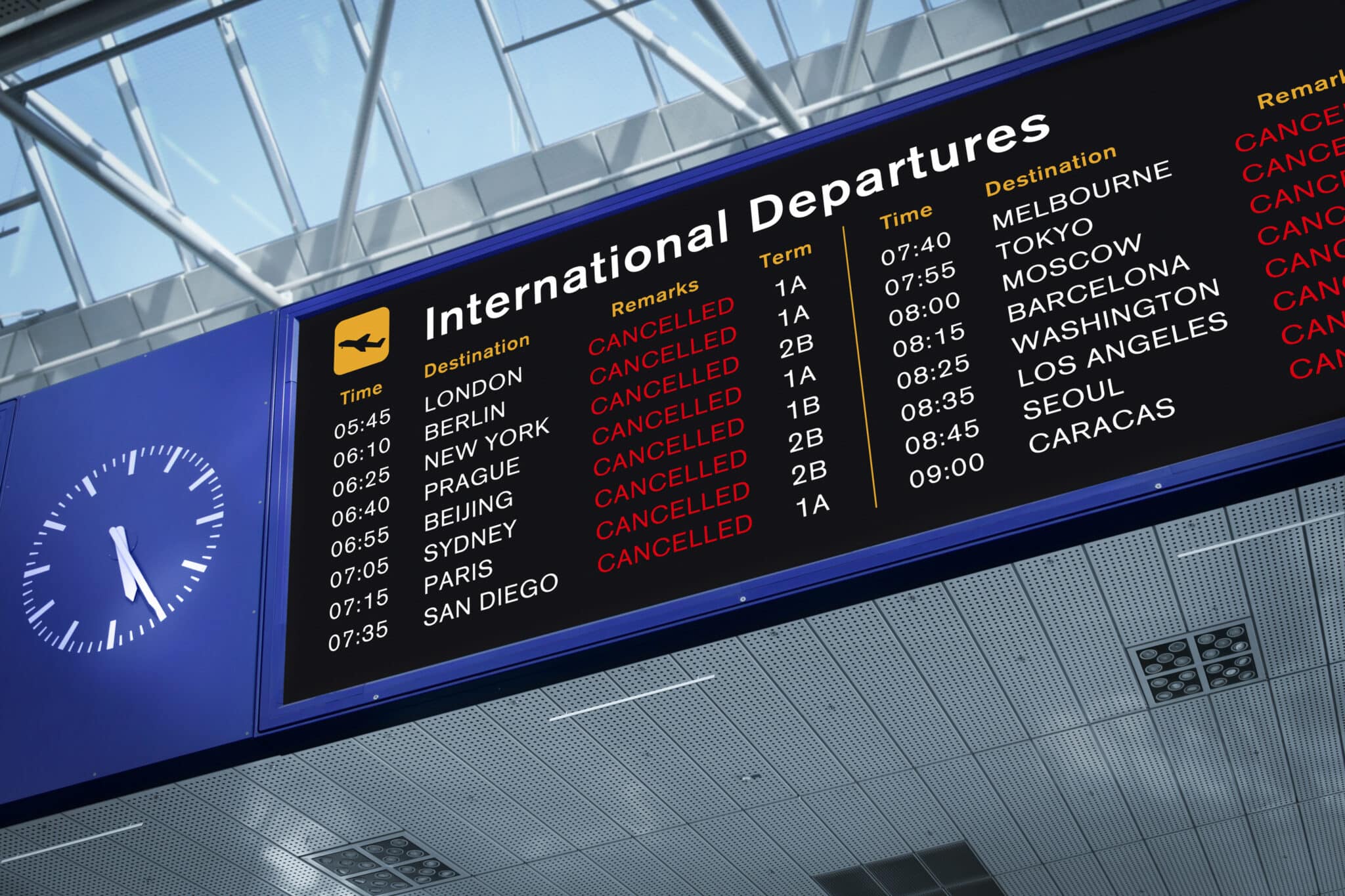


As Washington widens its blacklist, nations from West Africa to the wider Global South are slamming the door on U.S. passport holders, signaling a new age of reciprocal restrictions and shrinking mobility.
For decades, American travelers have been used to breezing past immigration desks, their blue passports opening doors in most corners of the world. That era is now beginning to fray, as more countries move to curtail entry for U.S. citizens in direct response to Washington’s expanding web of travel bans.
The most dramatic pushback is emerging from West Africa. Mali and Burkina Faso have announced that they will completely suspend entry for U.S. citizens, explicitly framing their decisions as acts of “reciprocity” against American restrictions. Niger has gone a step further by halting the issuance of visas to Americans altogether, effectively closing off the country to most U.S. travelers. Ironically, all three nations already carry a Level 4 “Do Not Travel” advisory from the U.S. State Department due to risks including terrorism, crime and kidnapping, underscoring how security concerns and political signaling now intertwine.
These bans do more than strand would‑be tourists. Business travelers, NGOs, journalists and diaspora communities who once moved relatively freely through these regions must now navigate a patchwork of new rules, heightened scrutiny or outright denial at the border. For many, trips that were routine in 2024 are no longer possible in 2026 with standard tourist or business paperwork.
At the heart of this shift lies a broader transformation in U.S. policy. As of January 1, 2026, Washington has broadened its travel ban to a long list of countries across Africa, the Caribbean and beyond, including Afghanistan, Haiti, Iran, Libya and Yemen. What was once framed as a narrowly targeted security tool has quietly grown into a far‑reaching architecture of exclusion, with ripple effects now coming back toward American travelers from governments that refuse to accept one‑sided restrictions.
Layered on top of this is a separate but related development in the U.S. domestic debate: the proposed Exclusive Citizenship Act of 2025. The bill, if enacted, would effectively end dual citizenship for Americans by requiring “sole and exclusive allegiance” to the United States, forcing many to choose one passport and give up others. In a world where more countries are starting to push back at U.S. travel rules, losing the flexibility of dual nationality could drastically narrow options for globally mobile Americans, from families with cross‑border roots to professionals who live and work between continents.
For ordinary travelers, the implications are immediate and sobering. The dream trip to a West African cultural festival, the last‑minute work mission, the backpacking loop that once connected several regions in a single journey—all may be off the table, at least under familiar visa categories. It is no longer safe to assume that the destinations you visited a year ago will welcome you now with the same stamp and smile.
What remains unclear is whether this moment marks a temporary flare‑up or the beginning of a lasting “travel cold war,” in which bans and counter‑bans become a normalized tool of foreign policy. Much will depend on how far Washington continues to extend its own list and how many countries decide to answer in kind. For now, one reality is undeniable: Americans are entering an age of reciprocal travel bans, where the power of their passport is no longer guaranteed—and where the world is learning how to say no in return.