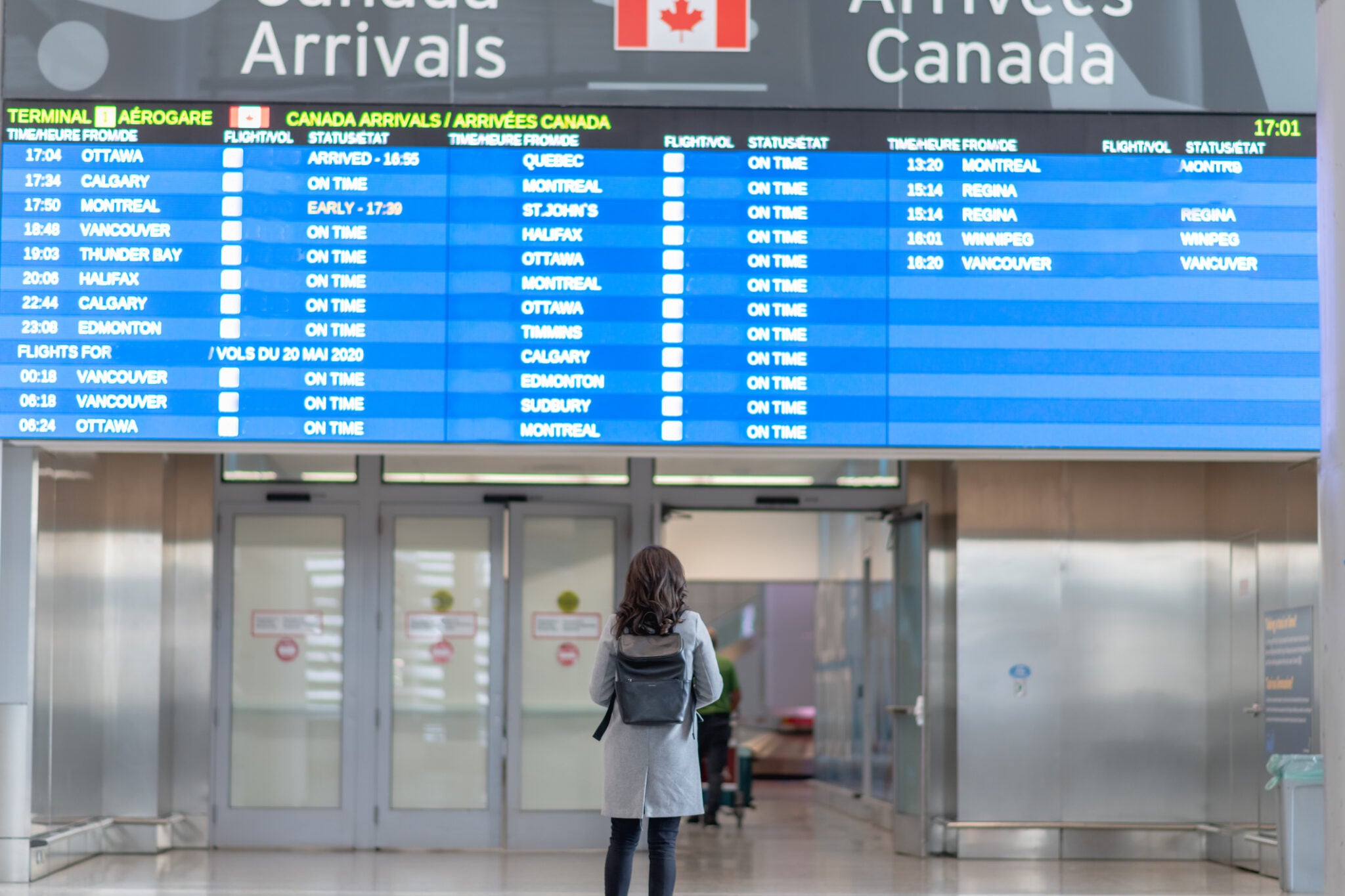


Immigration, Refugees and Citizenship Canada changed the rules for digital nomads in Canada on May 26, removing a documentation exemption that had stood since 2023. The agency, known as IRCC, published a program delivery update requiring remote workers on visitor status to prove their income comes entirely from outside Canada. Border officers can now ask for that proof at the door. They can refuse entry when it isn’t there.
What the update changed
The old guidance, set under the June 2023 Tech Talent Strategy launched by then-Immigration Minister Sean Fraser, told IRCC and Canada Border Services Agency officers that digital nomads needed no paperwork beyond standard visitor checks.
The new instructions delete that line. Remote workers must now show, with documents, that they won’t enter the Canadian labour market, that they can support themselves and that they’ll leave when their authorized stay ends.
The update lists six document types officers may accept:
- A letter or contract from a foreign employer
- Pay stubs from a foreign employer
- Service or sales contracts and invoices
- A foreign business registration
- Foreign income tax records
- Bank statements
The list isn’t closed. Officers can ask for more.
Why it lands on Americans
Most US citizens don’t need a visa to enter Canada. That made the six-month visitor window an easy remote-work base, no application required. The new rule reaches them anyway.
Visa-exempt travelers, including Americans and Electronic Travel Authorisation holders, now face the documentation check at the port of entry rather than at a consulate abroad. An officer who can’t verify the foreign-income source can turn the traveler back.
The burden shifts to the moment of arrival, when there’s no time to gather missing files. Unlike Europe, where countries built standalone permits like the European digital nomad visas AE has tracked, Canada never created a dedicated remote-work visa. It routed digital nomads in Canada through ordinary visitor status, which is exactly what the new instructions tightened.
Family members face a separate step
Family travel got harder too. The instructions state that a digital nomad’s spouse, dependents and children must apply for their own temporary resident status and aren’t automatically cleared to work or study. Anyone who wants to do either needs a work permit or study permit. The pre-May 26 guidance had left that point ambiguous.
What stayed the same
The six-month cap didn’t move. A digital nomad who wants to stay longer still applies for a visitor record. Working for a Canadian employer still requires a work permit unless the person qualifies under section 186 of the Immigration and Refugee Protection Regulations, the provision that lets some foreign nationals work without one. The instructions took effect immediately, with no transition period.
Applications under review and port-of-entry exams from May 26 forward are judged against the new standard.
Where this fits in Canada’s 2026 tightening
The reversal is the first direct narrowing of the digital-nomad path since it launched three years ago. It tracks a wider 2026 pattern at IRCC, which has narrowed other immigration programs and shut several federal and Quebec business streams.
It also arrives as more Americans have been turning to Canada through other channels. For Americans who treated the visitor stream as low-friction remote work, the paperwork for digital nomads in Canada is no longer optional, and the decision now happens at the border.