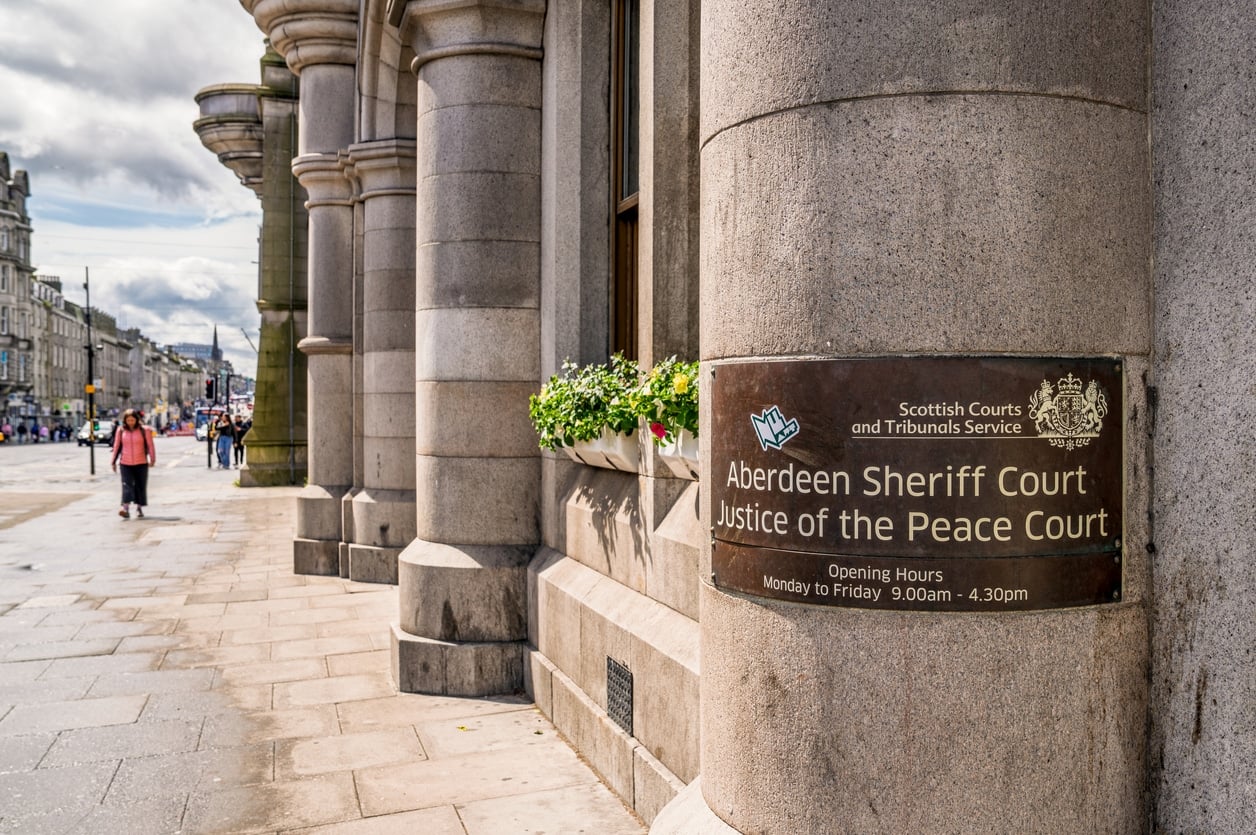


A Scottish employment tribunal ordered PizzaExpress Limited to pay an American waiter £5,469 (approximately $7,100) in compensation for racial harassment after a colleague told him to “go back to your country you [expletive] Yank” during a shift at the chain’s Union Square restaurant in Aberdeen.
The judgment, sent to the parties June 10, 2026 and published a month later, has been widely reported as a court ruling that calling an American a Yank is racist. The record shows something narrower, and in some ways more telling.
The backstory
The claimant, R Joseph, worked as a waiter at the restaurant from September 2024, earning £12.21 an hour plus a share of tips. On April 8, 2025, during a busy and understaffed shift, a fellow waiter told him:
“why don’t you just leave, nobody [expletive] likes you, [expletive] American, go back to your country you [expletive] Yank,”
Repeating the comments in front of customers for the rest of the shift. Joseph responded with an insult of his own. He reported the incident the same day.
PizzaExpress conceded the point before the hearing started
No judge ruled that the word Yank is inherently racist. Before the final hearing in April 2026, PizzaExpress conceded that the colleague’s conduct and comments constituted harassment related to race under the Equality Act 2010, the tribunal record states. Employment Judge Sangster recorded the concession and moved straight to compensation.
The tribunal awarded £5,000 (approximately $6,500) for injury to feelings, placing the incident in the middle of the lower Vento band, the scale UK tribunals use for one-off or less serious episodes of discrimination. Interest at 8% added £469.04. Joseph took no time off work and sought no medical help, so no financial losses flowed from the harassment itself.
The colleague who made the comments kept his job. A disciplinary hearing found his conduct amounted to gross misconduct, but his admission, remorse, length of service and clean record reduced the sanction to a final written warning.
Why an anti-American slur counts as racial harassment in Britain
The legal mechanics matter more than the headline. Section 9 of the Equality Act 2010 defines race to include color, nationality and ethnic or national origins. An American nationality slur therefore falls under the same protected characteristic as any other racial abuse, and section 26 captures unwanted conduct related to it that creates a degrading or hostile environment.
That structure differs from US federal law, where Title VII of the Civil Rights Act of 1964 treats national origin as a category separate from race. Americans employed in Britain hold the same statutory protection against nationality-based abuse as any other foreign national working there.
The point has practical weight when a record 6,100 Americans applied for UK citizenship in 2024 and more Americans are settling in the UK than at any point in the past two decades.
The rest of the case collapsed
Joseph brought four complaints. Only the conceded harassment claim succeeded. The tribunal dismissed his claims of victimization, whistleblowing detriment and automatically unfair dismissal in full.
PizzaExpress summarily dismissed Joseph on June 20, 2025, roughly 10 weeks after the altercation, following an investigation into three separate misconduct allegations. He argued the allegations were fabricated to justify removing him after he raised complaints. The tribunal disagreed, finding he was dismissed solely for established misconduct. He did not appeal internally.
The sequencing is the uncomfortable part of the record. Management took no investigative action for five weeks after Joseph reported the slur. An investigation began only after he pressed the question twice. The harasser received a warning; the harassed employee was out of a job by summer, for reasons the tribunal found lawful.
Where nationality protection leaves Americans working in the UK
The case sets no binding precedent; first-instance tribunal decisions bind no one. What it documents is an employer accepting, without argument, that anti-American abuse meets the legal threshold for racial harassment in Britain. That concession will surface in future settlement negotiations involving American employees.
It also shows the limits. The award sat in the lowest compensation band, the perpetrator kept his job and the complainant did not. Host-country law protects American workers on paper, and host-country conduct rules increasingly reach Americans on work permits in the other direction too.
For the estimated hundreds of thousands of US citizens in the UK labor force, the Aberdeen case is less a landmark than a data point: the protection exist, the payout was £5,469 and the process took 14 months.