The Social Security Administration reported 711,778 OASDI beneficiaries living in foreign countries as of December 2024, including 463,480 retired workers, with total annual payments to overseas recipients reaching $8.39 billion. OASDI covers the retirement, survivor, and disability components of the Social Security program.
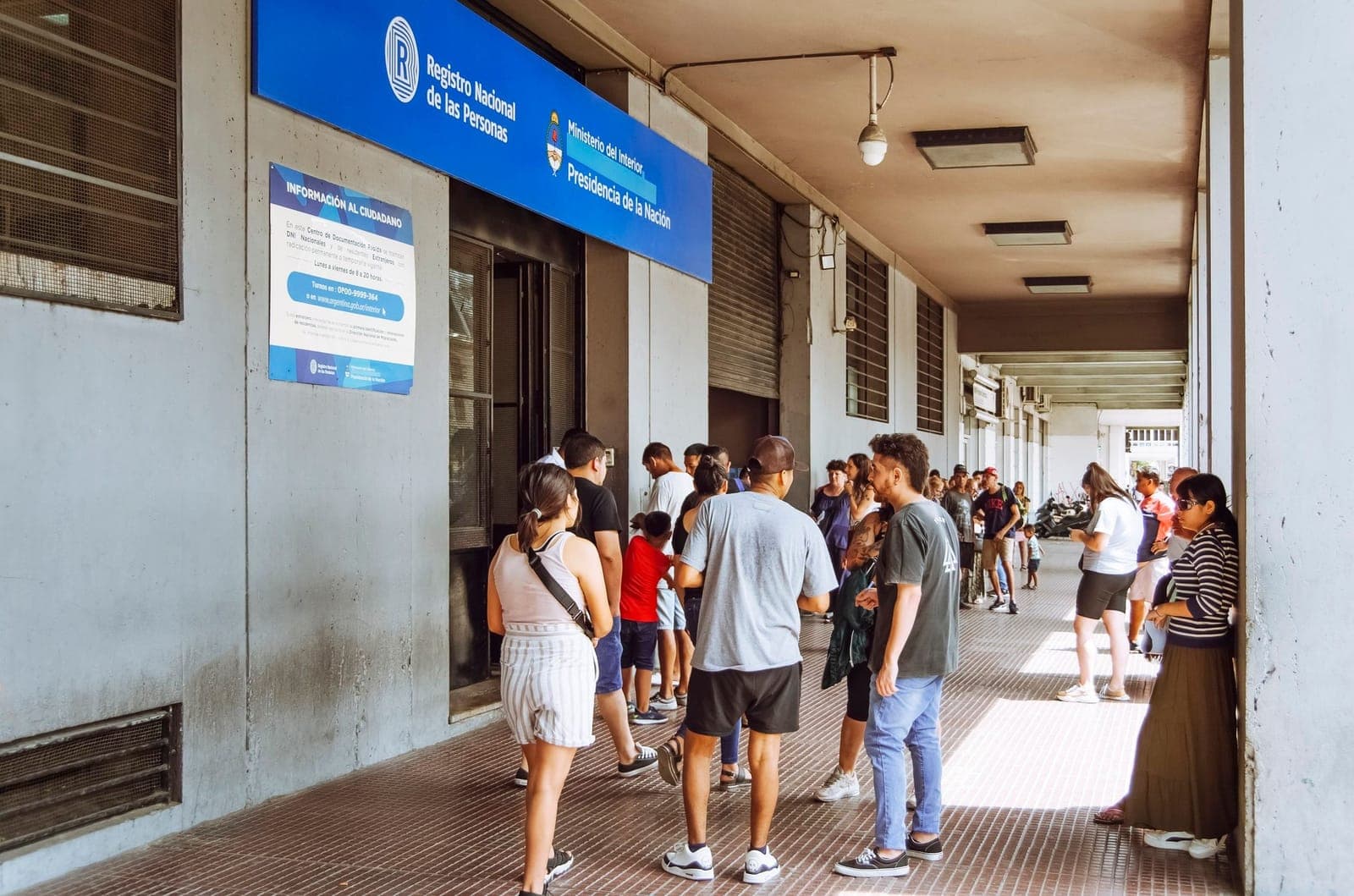
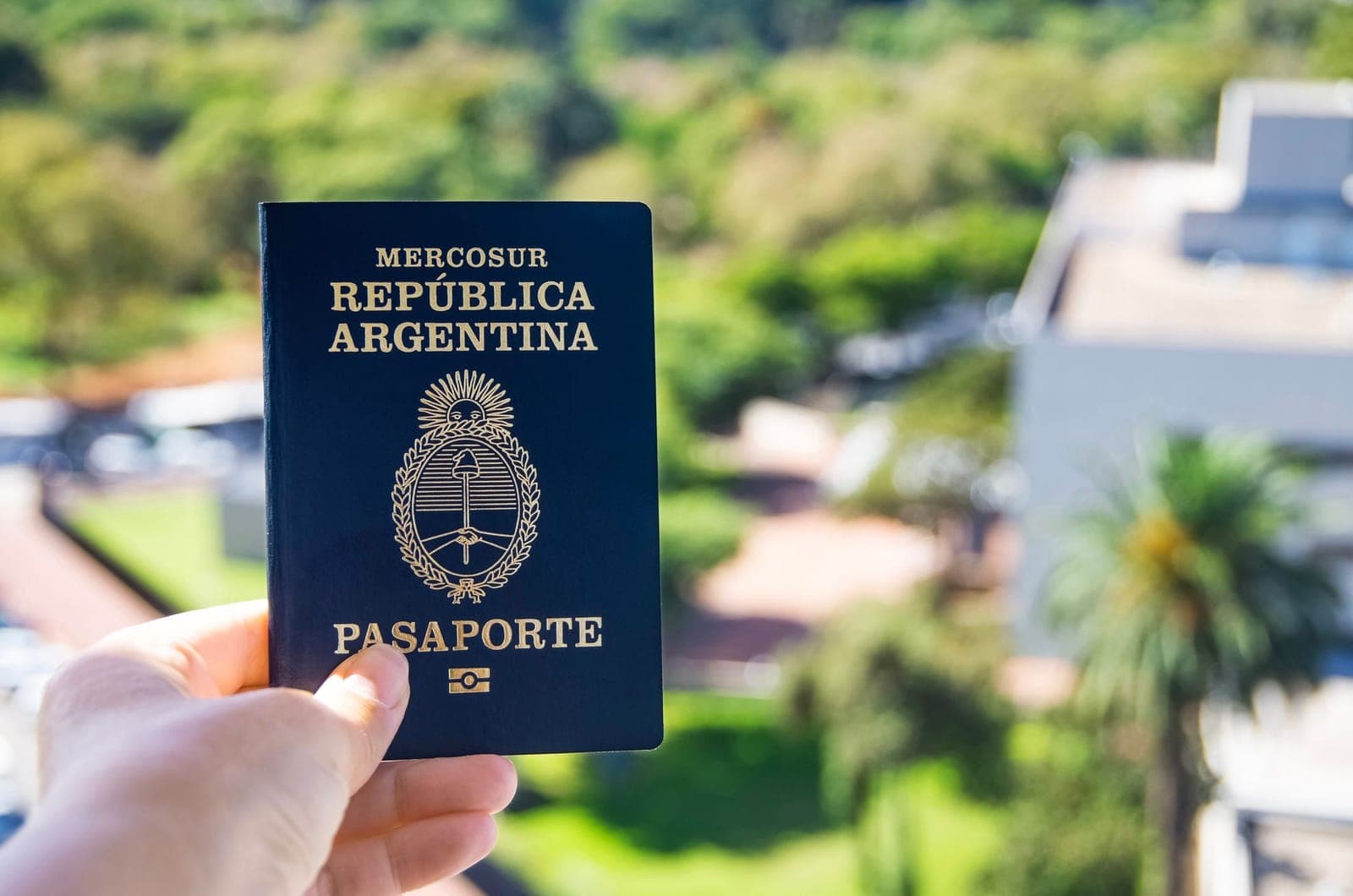
Argentina revised its naturalization requirements by executive decree under President Javier Milei in 2025, imposing stricter conditions on the path to citizenship. The most significant change affects residency clock continuity: a single trip abroad can reset an applicant's accrued residency to zero, a consequence that may not become apparent until after travel has already occurred.
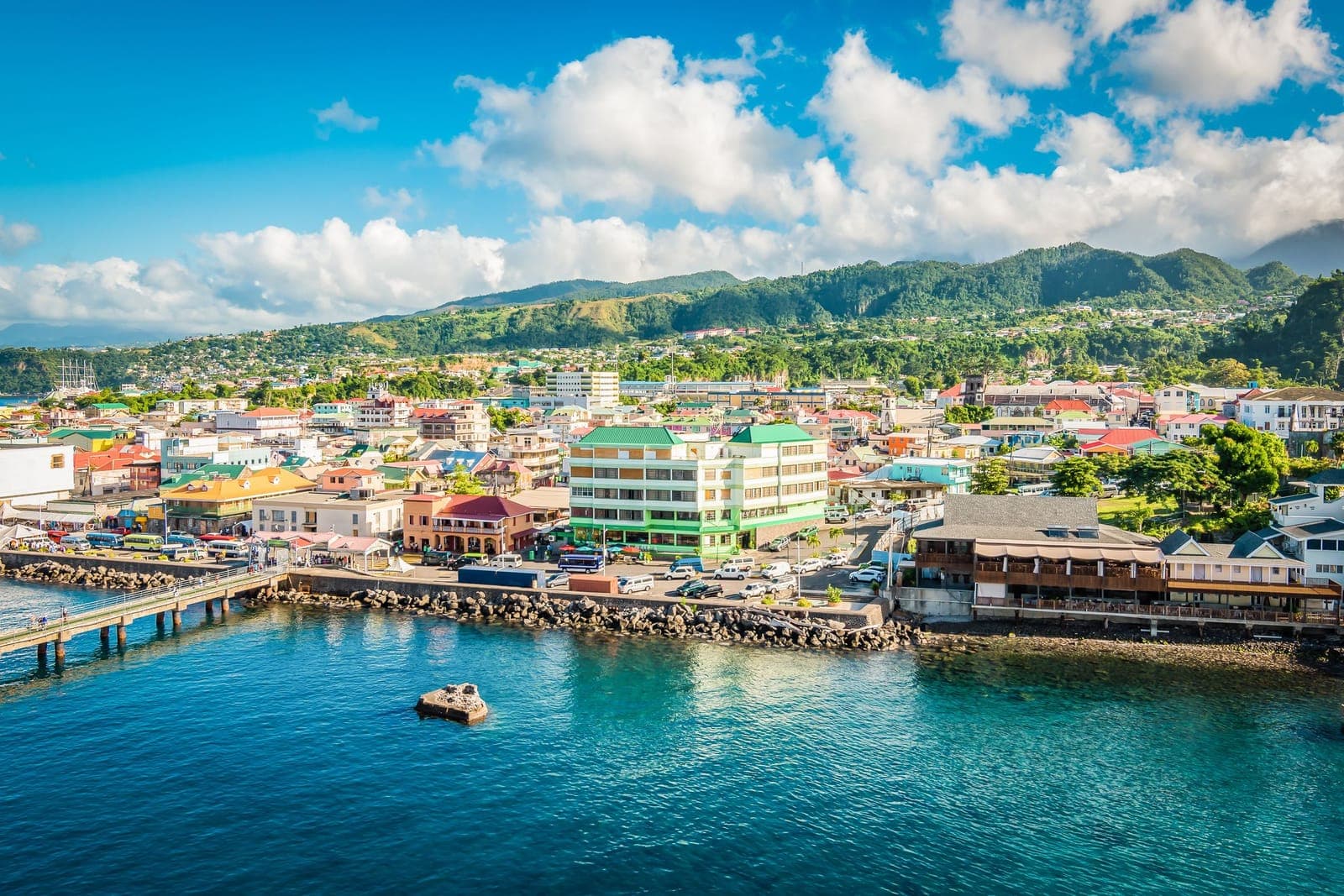
Dominica citizenship by investment starts at a $200,000 donation, but the program offers no US E-2 access and no public count of American buyers.
Sweden enacted legislation on June 15, 2026 authorizing the Swedish Migration Agency to revoke residence permits for non-criminal conduct, including permits already granted. The first measure of its kind since 2005, the law takes effect July 13 and applies to all non-EU migrants, including Americans, on equal terms.
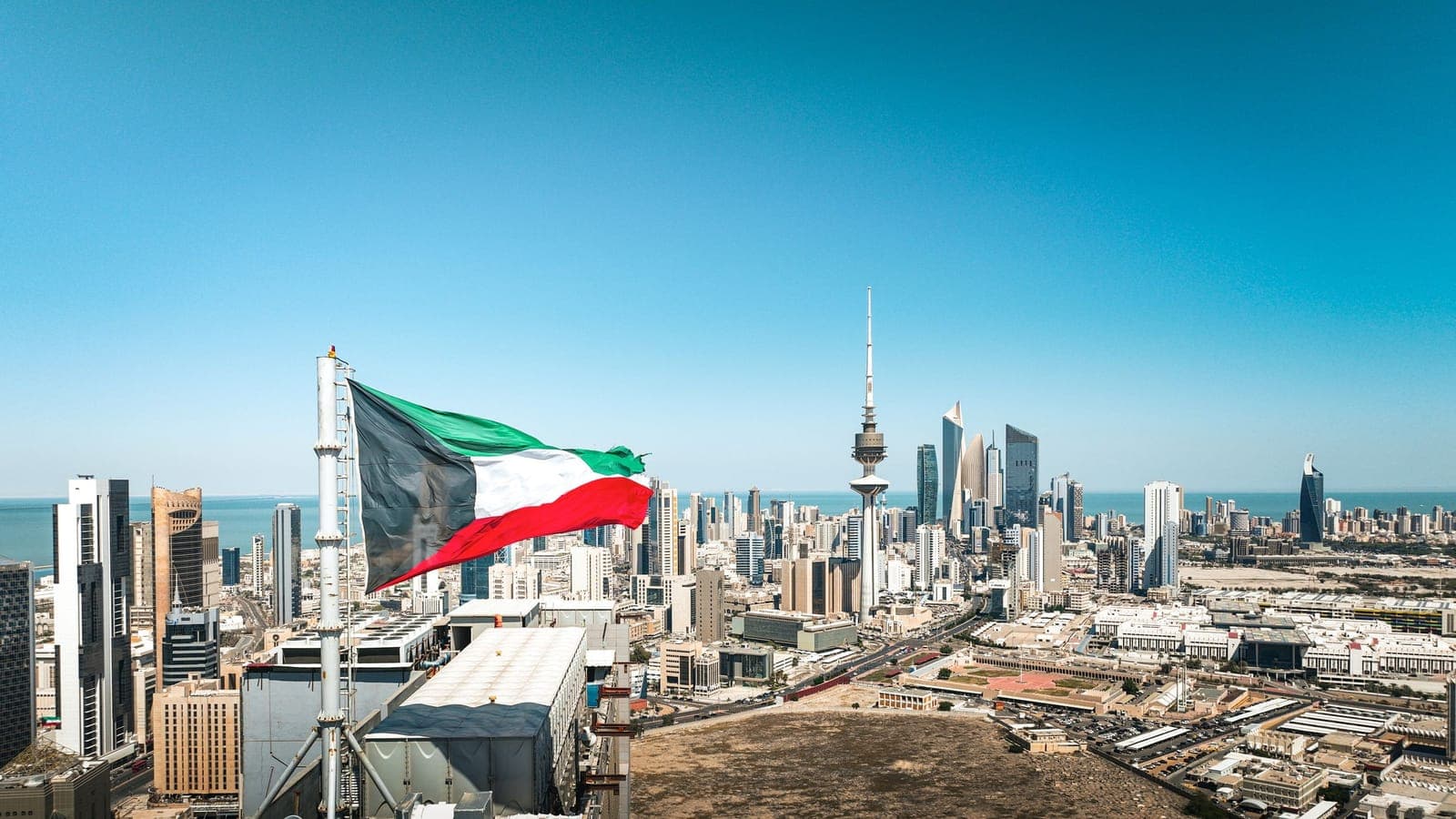
Kuwait's Cabinet Resolution No. 651 of 2026 established a 15-year investor residency permit requiring a minimum investment of $16.3 million through a licensed entity, attaching the permit to an operating business rather than a passive deposit. The pathway is available to Americans and other foreign nationals considering relocation to the Gulf.
Finland's Parliament voted 153 to 21 on June 12 to require naturalization applicants to pass a civics examination covering Finnish society, history, and culture, effective January 1, 2027. The measure drew support beyond the governing coalition, including from the Social Democratic Party and the Centre Party, and makes a passing score a statutory condition of citizenship.
Japan's parliament passed immigration legislation on May 29 raising the legal ceiling on permanent residency application fees from ¥10,000 ($62) to approximately ¥200,000 ($1,240), a roughly twentyfold increase. The law sets the maximum; the actual fee will be established separately, leaving the final figure unresolved for applicants planning ahead.
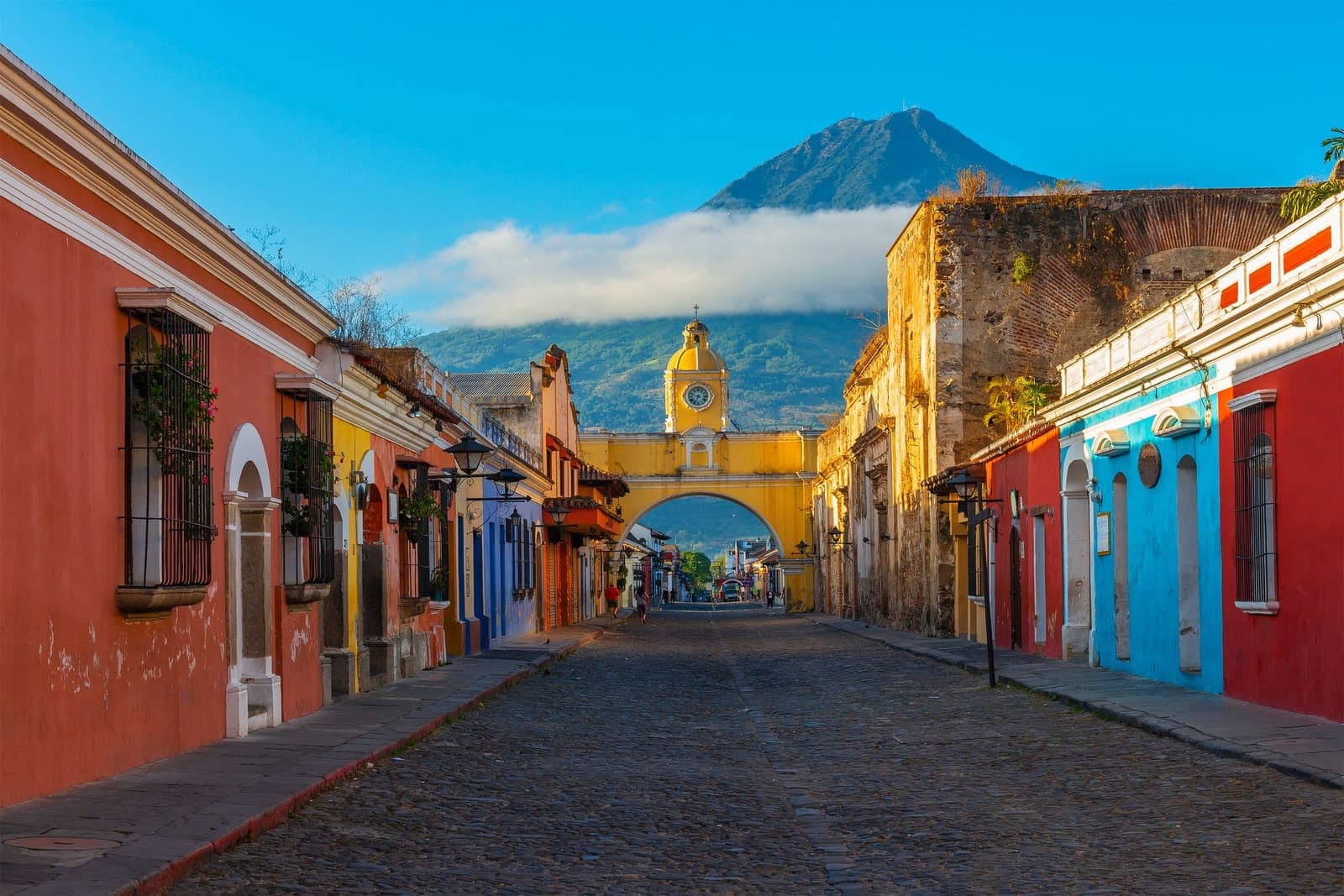
Americans in Guatemala number around 10,000 to 13,000 across UN, census and State Department counts. Here is why the figures diverge and what data is missing.
Argentina is moving toward launching South America's first golden visa, with an executive director appointed in late April 2026 and a second-half launch date in view. The program, authorized under Decree 524/2025, would offer a direct route to an Argentine passport with no residency requirement attached.
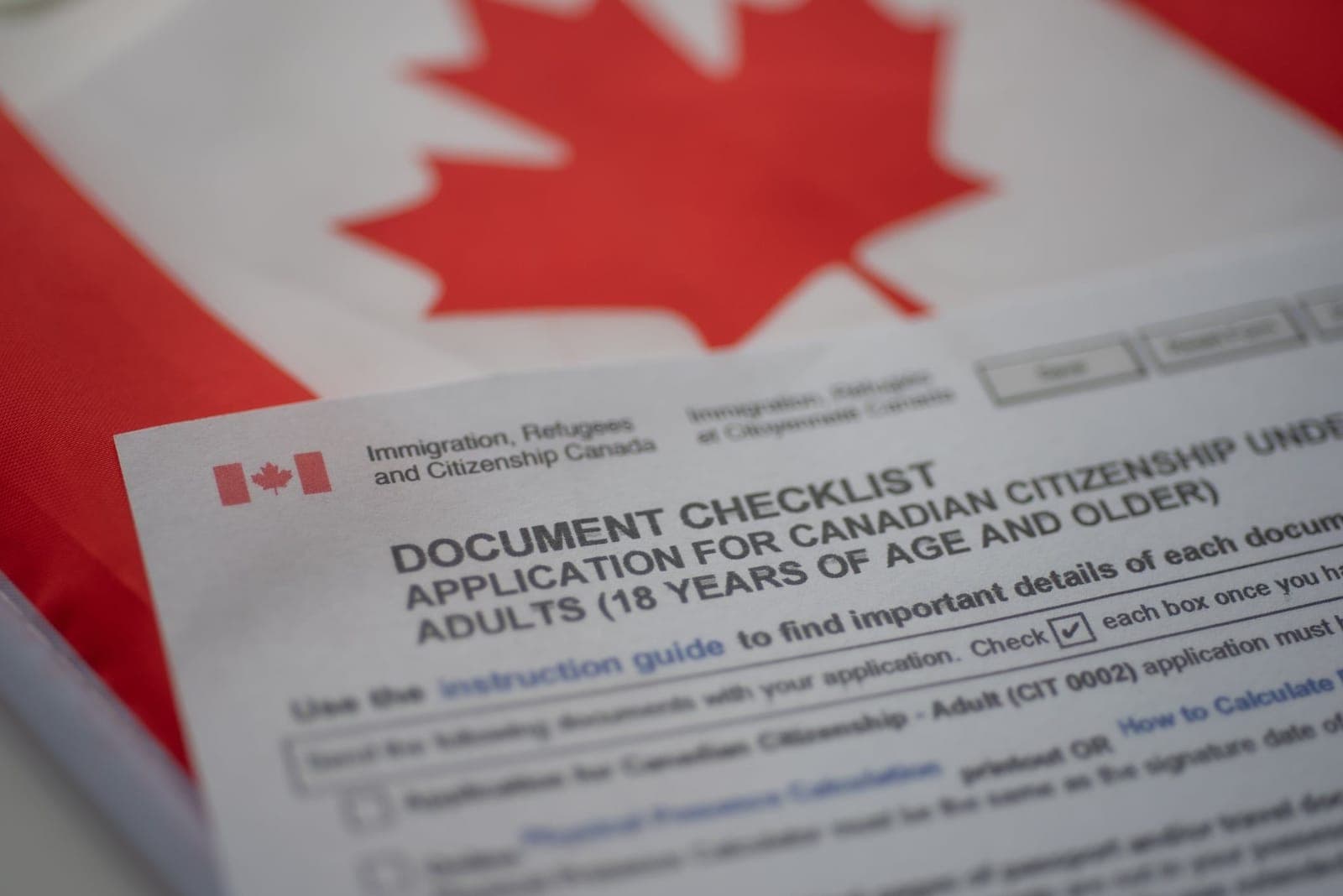
Canada's immigration authority began suspending approved citizenship-by-descent certificates on June 13, 2026, requiring recipients to return them for re-examination. The move, communicated by email rather than formal regulation, caught immigration lawyers off guard and threatens Americans who had secured the status as a pathway to living abroad.
Japan's government expert panel has pushed its recommendations on foreign property purchase restrictions to fall 2026, delaying a decision that had been expected by midsummer. For the approximately 70,000 registered American residents in Japan, the postponement is a reprieve rather than a resolution.
The count of US citizens in Czechia hit 10,701 on Jan. 1, 2025, a 49% rise in five years, with Prague and a one-year trade-license route doing most of the pulling.
The count of US citizens in Czechia hit 10,701 on Jan. 1, 2025, a 115% rise in five years, with Prague and a one-year trade-license route doing most of the pulling.
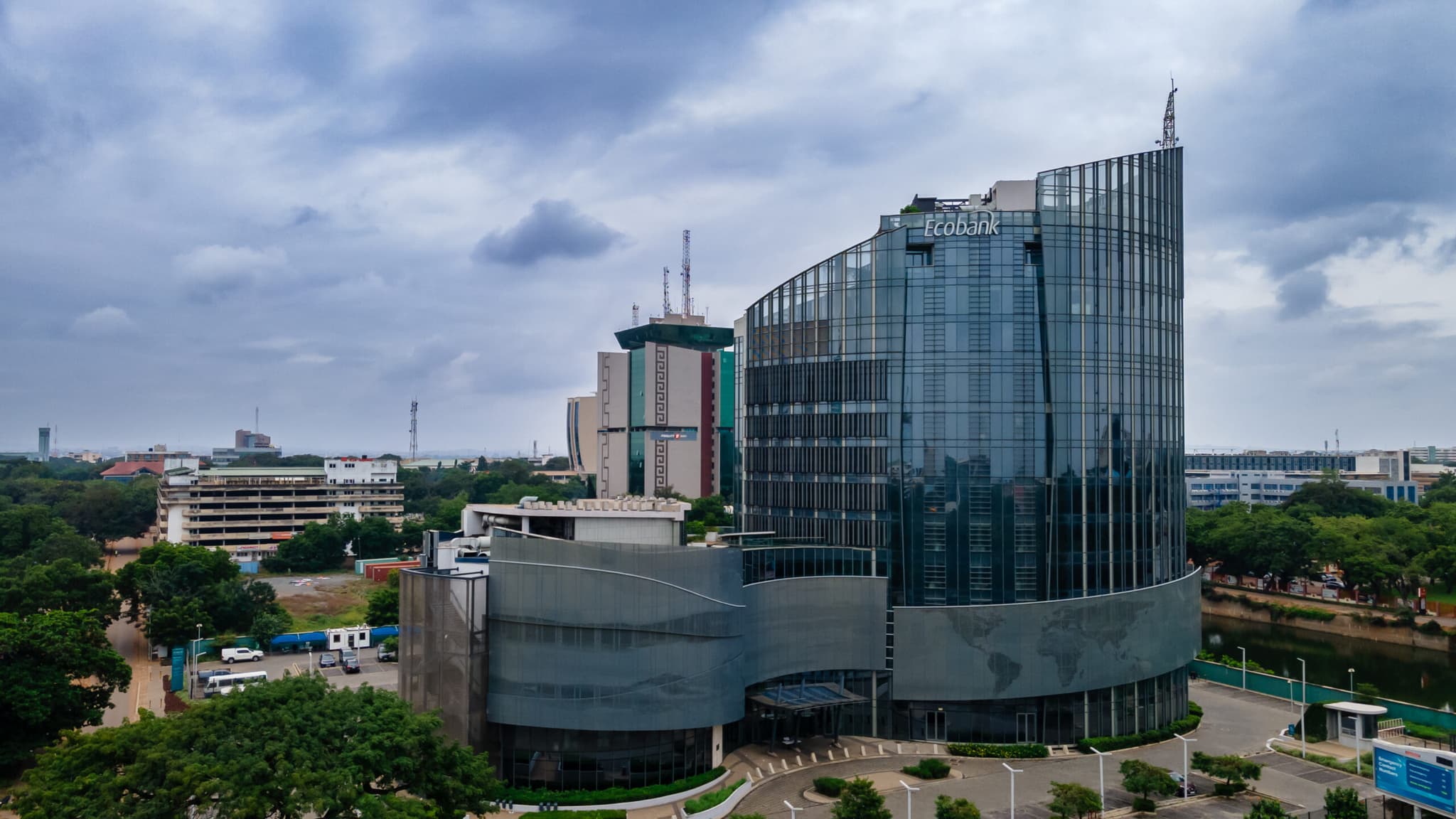
Ghana's Parliament passed legislation on April 2 creating a statutory mandate for a citizenship-by-investment program that does not yet exist. For the thousands of Americans who have settled in Accra through heritage-based pathways, the open question is what a paid route adds once it materializes.