Finland raised the bar for permanent residence at the start of 2026, with Finnish Immigration Service amendments to the Aliens Act extending the basic residency requirement from four years to six, adding a Finnish or Swedish language test, and requiring two years of work history. President Alexander Stubb signed the changes on December 22, 2025.
Latin America has long offered Americans the most accessible second-passport landscape in the world, with Mexico, Argentina, Brazil, Uruguay, Panama, Costa Rica, and most neighboring countries permitting dual citizenship without renunciation. The region accounts for the bulk of U.S.-citizen naturalizations abroad each year, including more than 125,000 Mexican-American dual citizenships granted in 2025 alone.
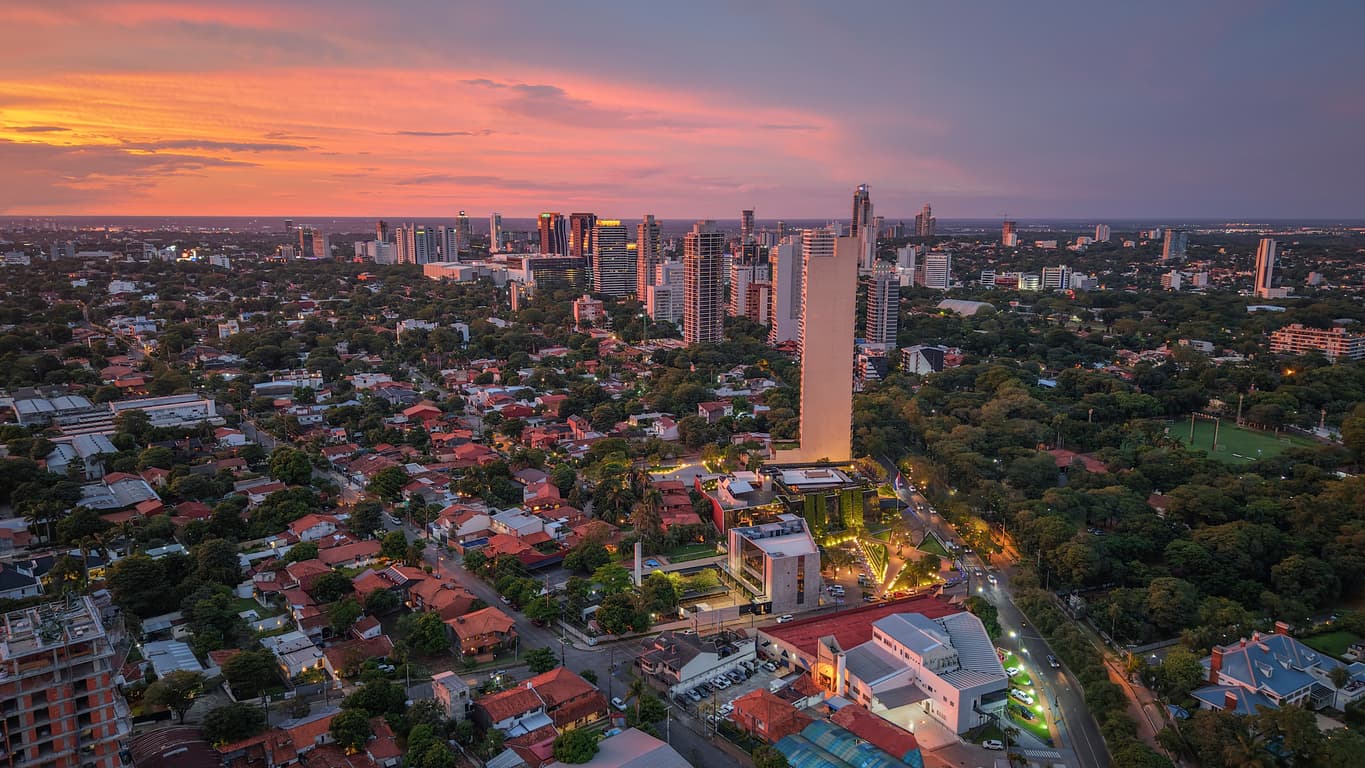
Paraguay closed 2025 with 47,687 foreign residency applications, a 63% jump from the prior year and the largest annual increase since the Dirección Nacional de Migraciones began publishing monthly data in 2019. The agency granted 40,600 permits over the same period, up more than 42%, with Americans among the nationalities driving the record intake.
Washington and Zagreb signed a protocol on April 28, 2026 designed to resolve the Senate objections that have blocked the 2022 U.S.-Croatia tax treaty from taking effect. Americans in Croatia have been waiting on the agreement for more than three years.
American residence permit activity in Mexico concentrated in three states in 2024, with Mexico City, Jalisco, and Baja California Sur accounting for 40% of national permits issued from January through October, per Instituto Nacional de Migración data. The top six entities together carried 63% of 23,502 recorded events, a distribution that tracks the established American settlement corridors.
Canada's business immigration system has effectively closed as of May 2026. The Federal Entrepreneur Program shut down January 1, the Federal Self-Employed Persons Program is paused indefinitely, and the Start-Up Visa is processing at more than 10 years with 46,200 applications queued. The Quebec Business Class, the last active federal route, sits at 78 months per IRCC's May 12 update.
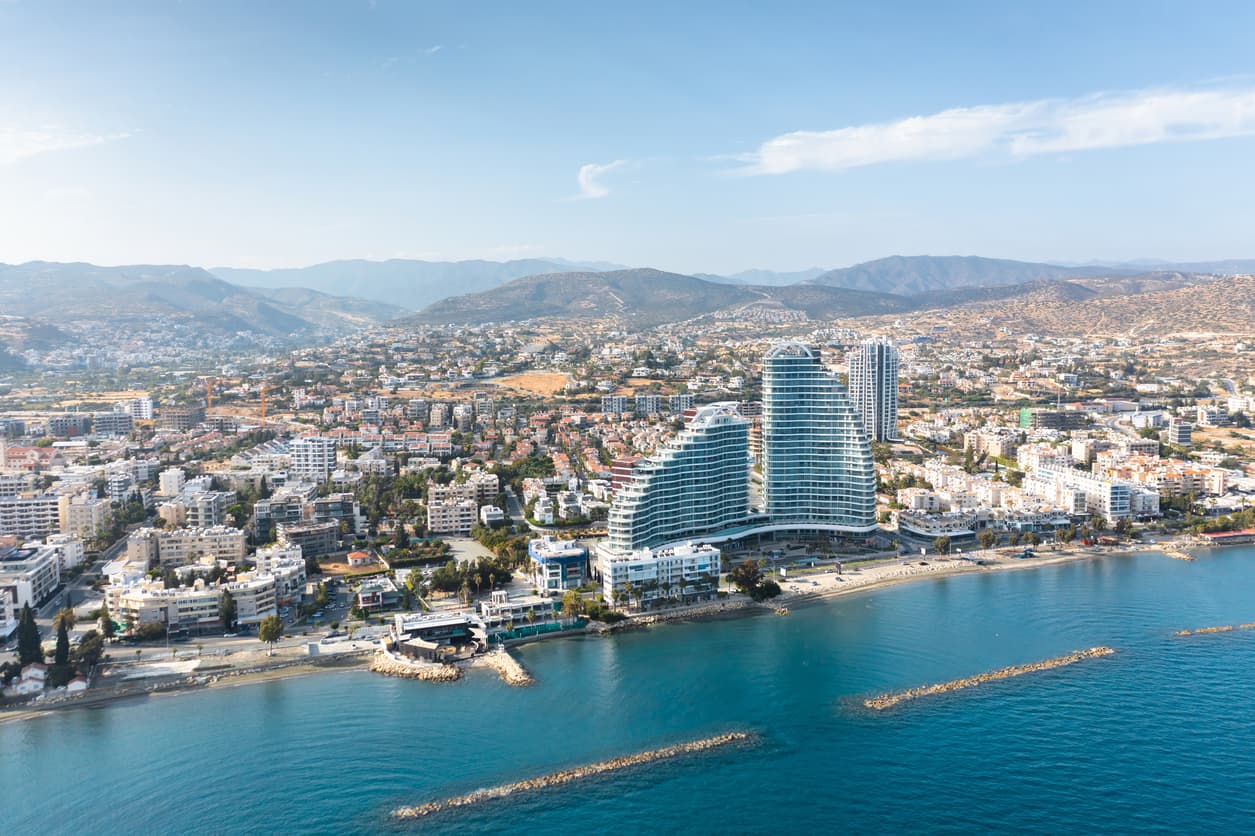
Cyprus offers EU permanent residence through a €300,000 ($340,000) property or fund investment, with lifetime permit status and a fast-track process under Regulation 6(2) that runs two to six months. Applicants must demonstrate €50,000 ($56,800) in annual income from non-Cypriot sources.
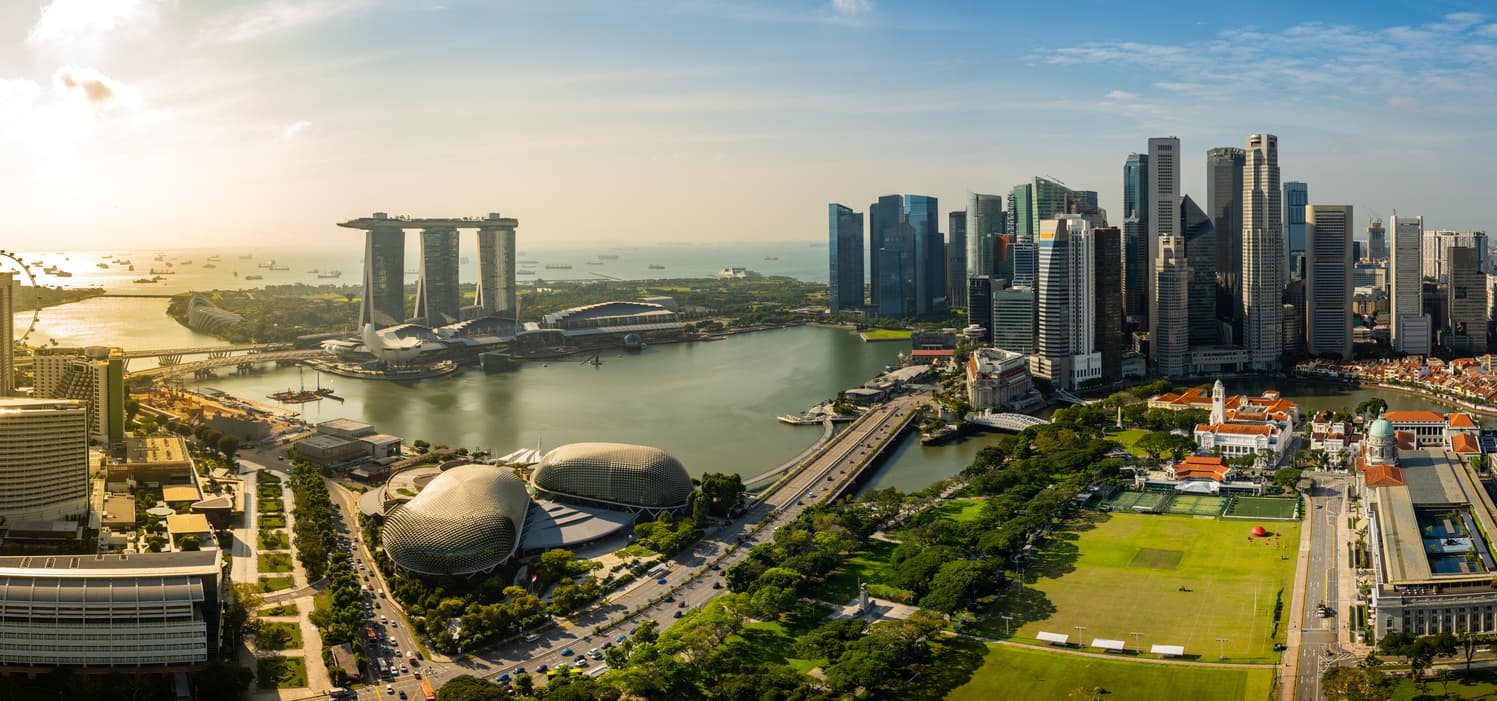
Singapore's Global Investor Programme approved 450 investors over the decade from 2015 through 2025, averaging 45 per year against an annual permanent resident intake of 33,000 to 35,000, and attracting roughly S$930 million (US$732 million) in total capital. For Americans, the S$10 million minimum investment is not the program's largest cost.
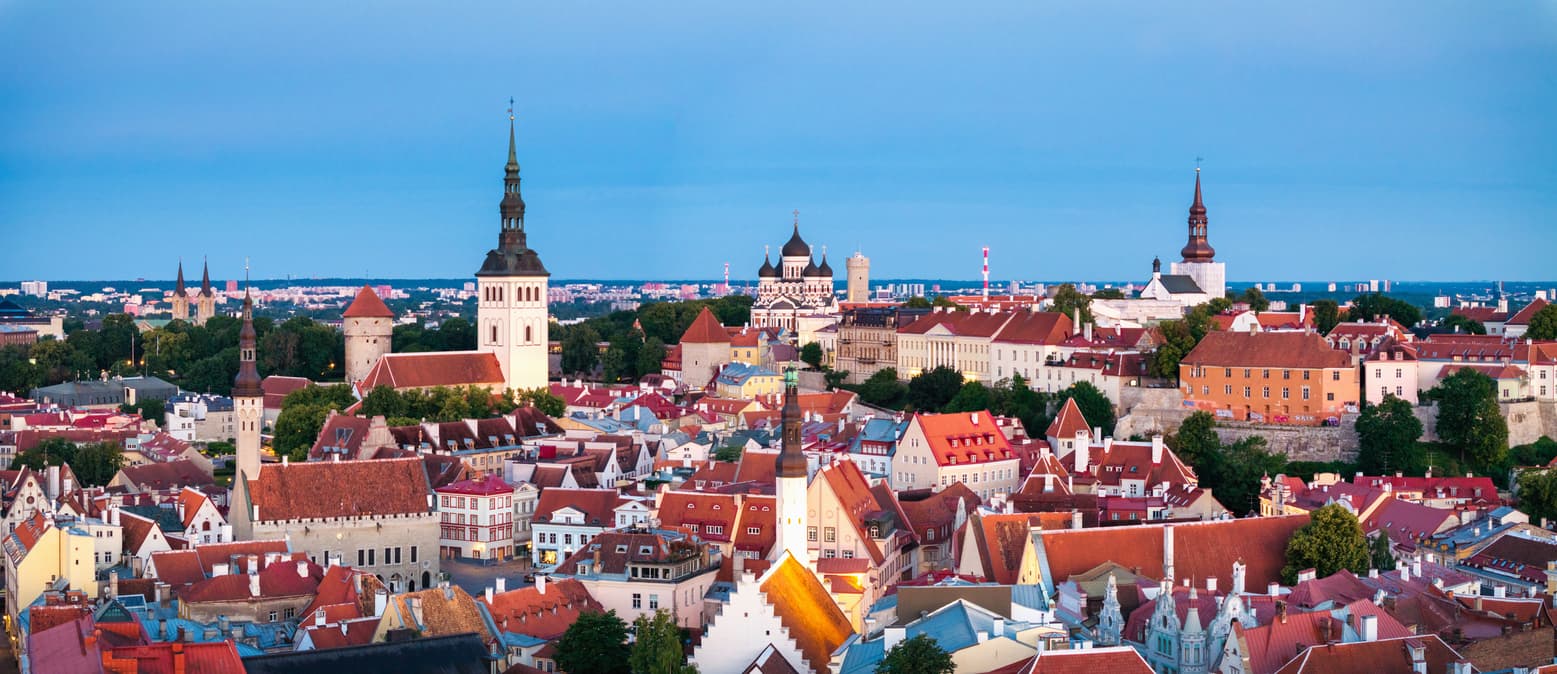
Estonia's 2026 immigration quota caps permanent economic migration at 1,292 people, equal to 0.1% of the resident population, but Americans are exempt. Under Section 115 of the Aliens Act, U.S. citizens are excluded from the cap alongside nationals of the United Kingdom, Japan, and EU, EEA, and Swiss citizens.
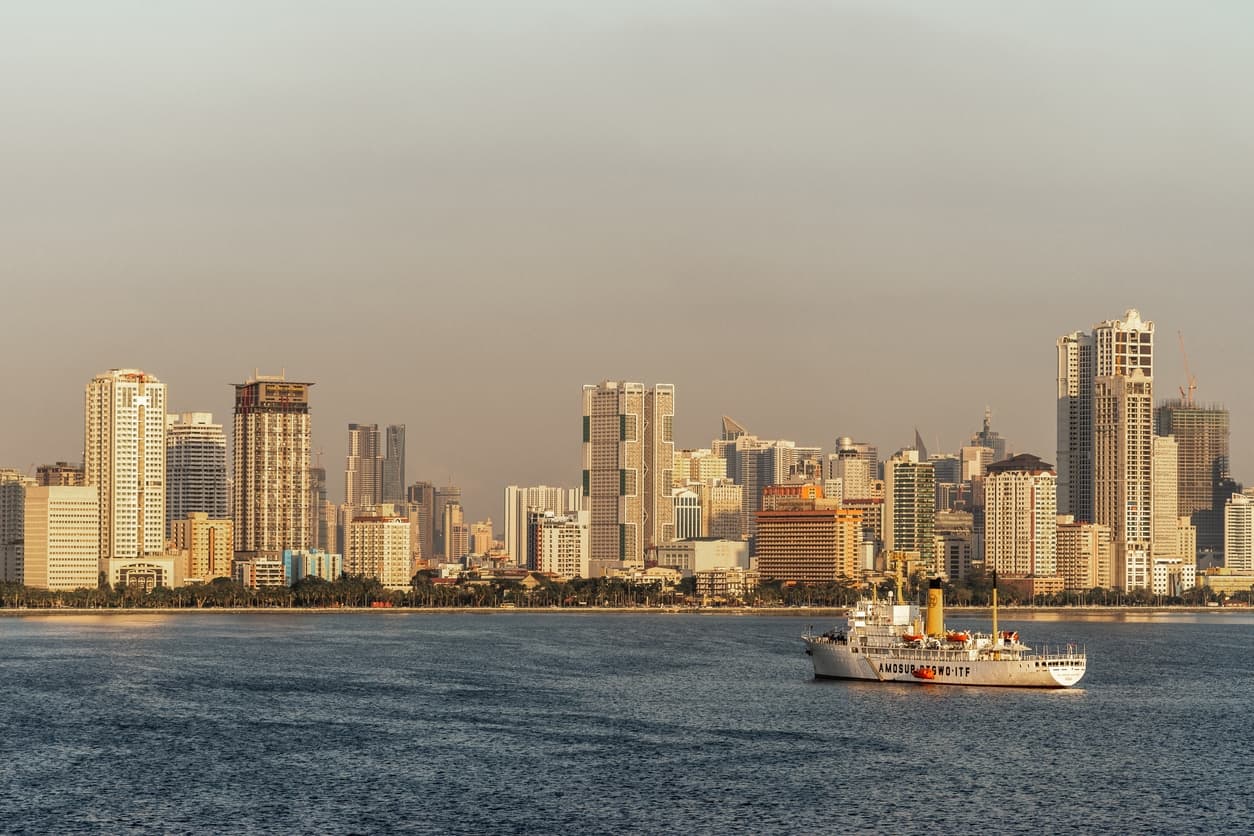
Four Philippine agencies count Americans four different ways and produce four different figures. The Philippine Statistics Authority's 2020 Census recorded 30,033 U.S.-citizen household residents. The Bureau of Immigration's 2026 Annual Report counted 11,519 Americans with active visas. The U.S. State Department estimates the true population at 220,000 to 270,000, a range that dwarfs every official domestic count.
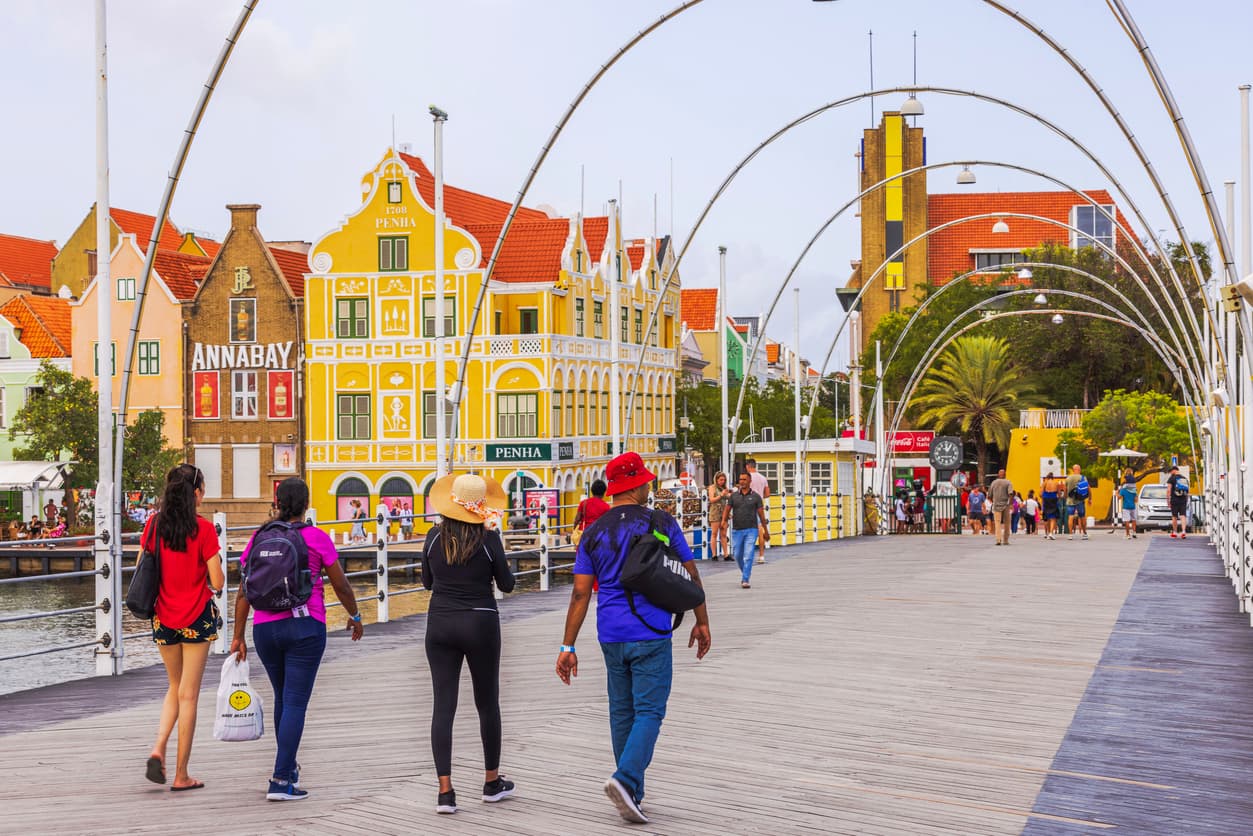
Curaçao's new immigration framework, effective April 1, established six explicit pathways to permanent residence, including the pensionado scheme, replacing rules in place since 2019. Standard residence permit durations extended from one to three years, and a six-week grace period previously available for incomplete applications was eliminated.
Austria granted 1,955 citizenships by descent in the first quarter of 2026, nearly all to overseas applicants using the restitution provision for descendants of Nazi-persecution victims, Statistics Austria reported May 11. Total naturalizations rose 21.2% year on year to 6,641, with the descent channel accounting for much of the increase.
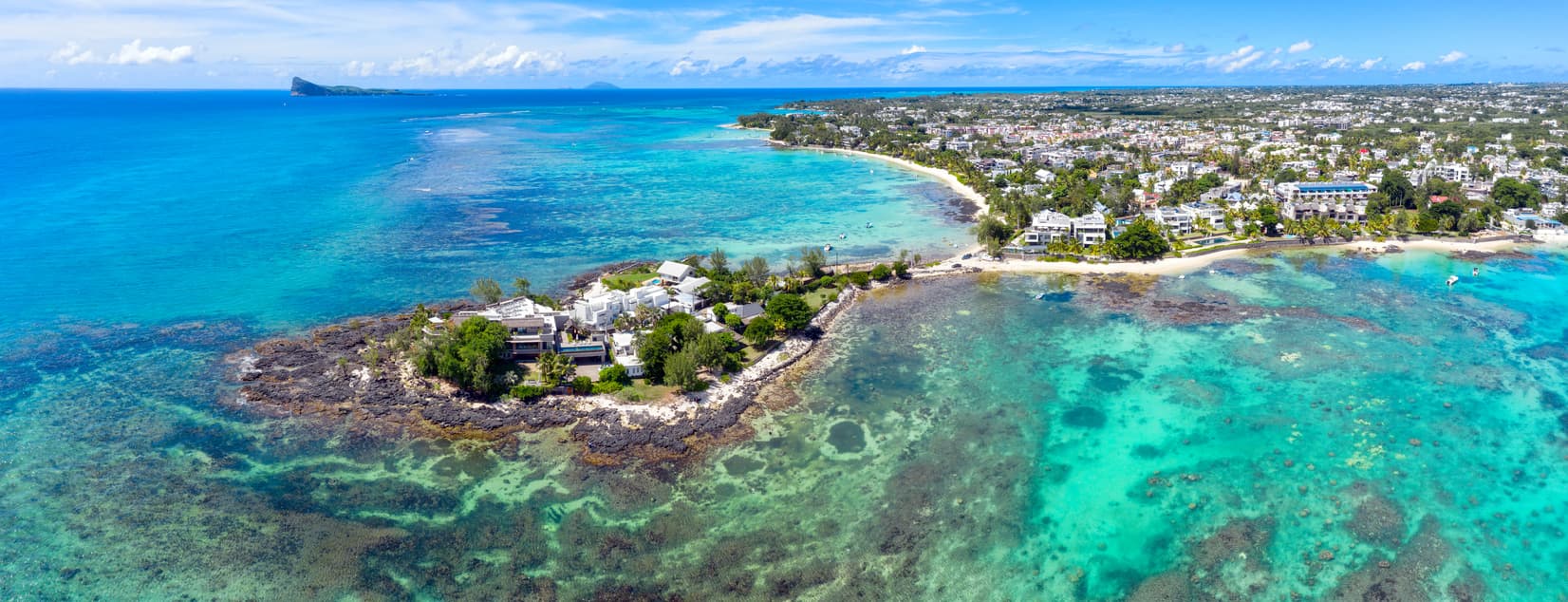
Mauritius will require golden visa holders to invest $1 million within 12 months of arrival, Prime Minister Navinchandra Ramgoolam told parliament on May 5, with the program capped at 100 approvals per year.
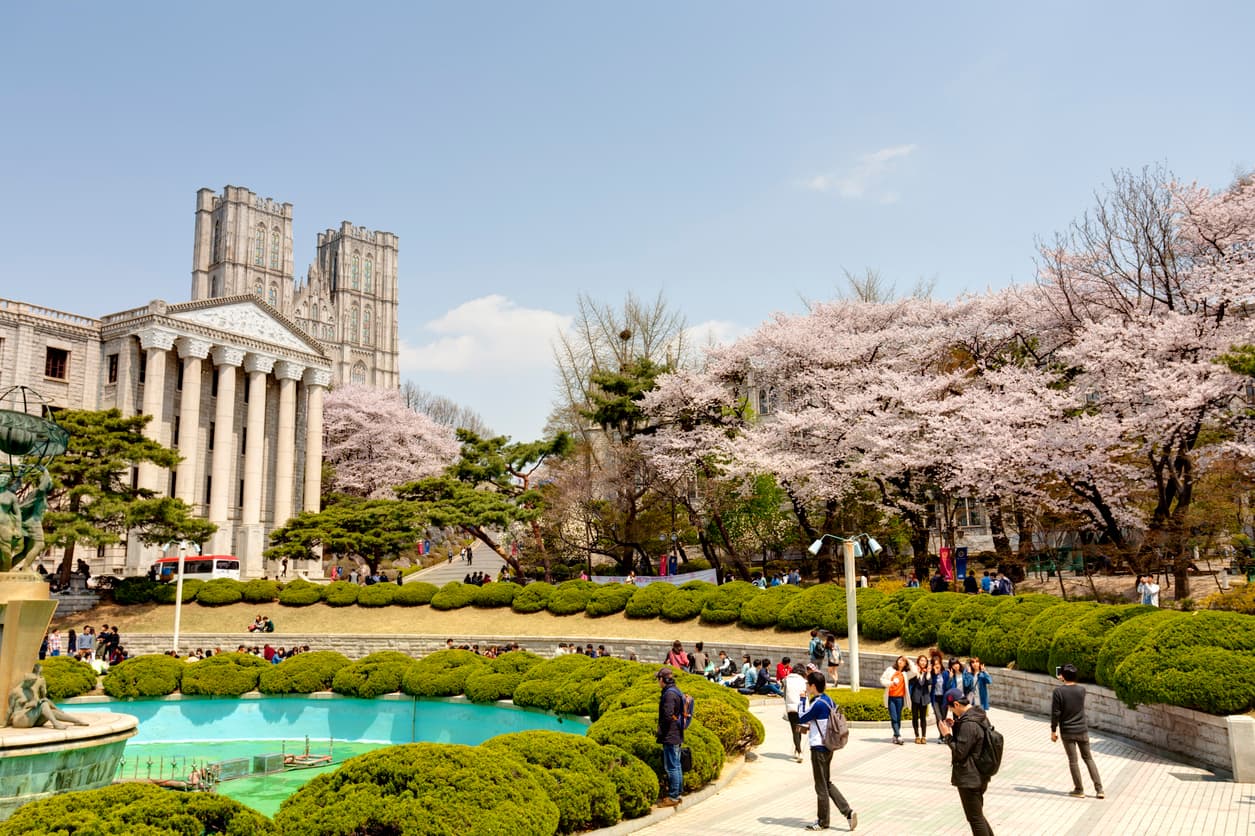
South Korea expanded its Top-Tier Visa on March 3 to cover science and technology professors and researchers, extending a program previously limited to corporate employees in eight high-tech sectors including semiconductors and artificial intelligence. The Ministry of Justice framed the change as part of a 2030 strategy to counter the world's lowest birth rate, as American researchers are leaving the United States at the fastest rate in decades.