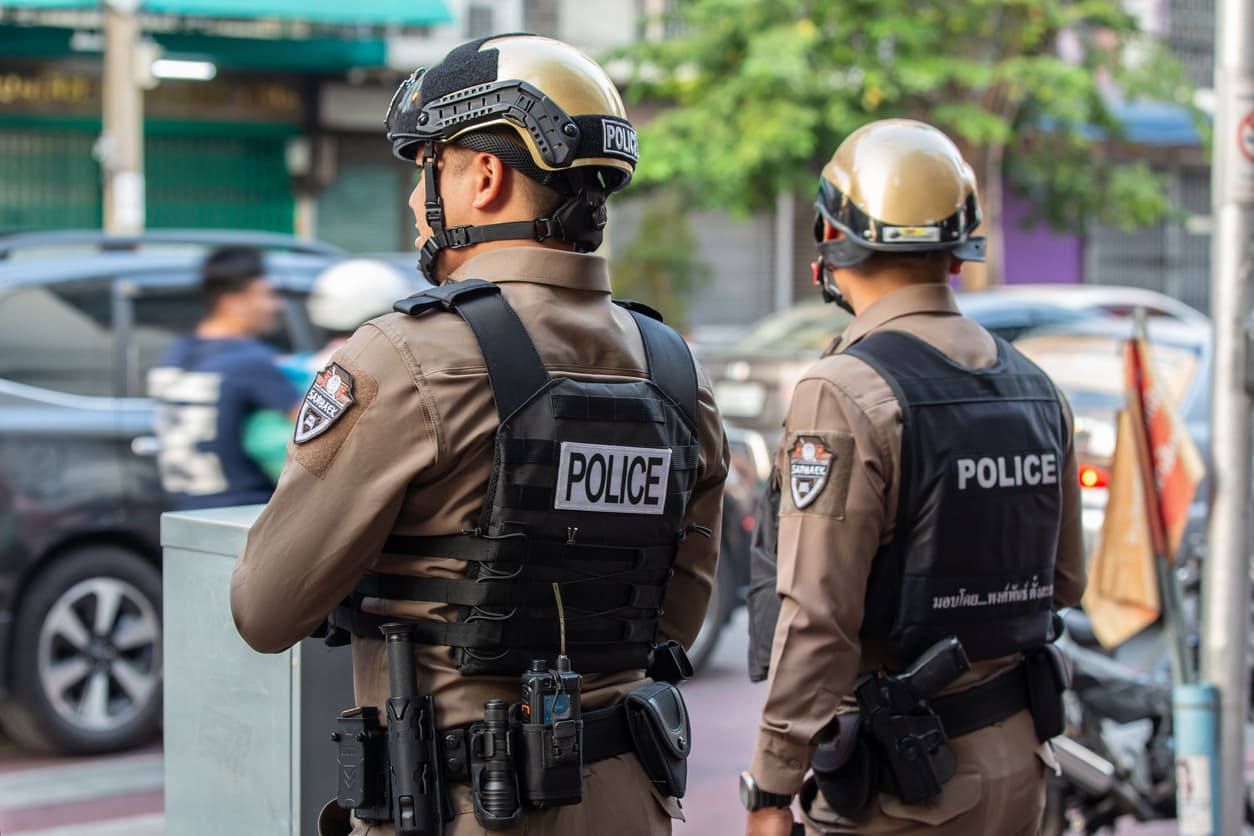
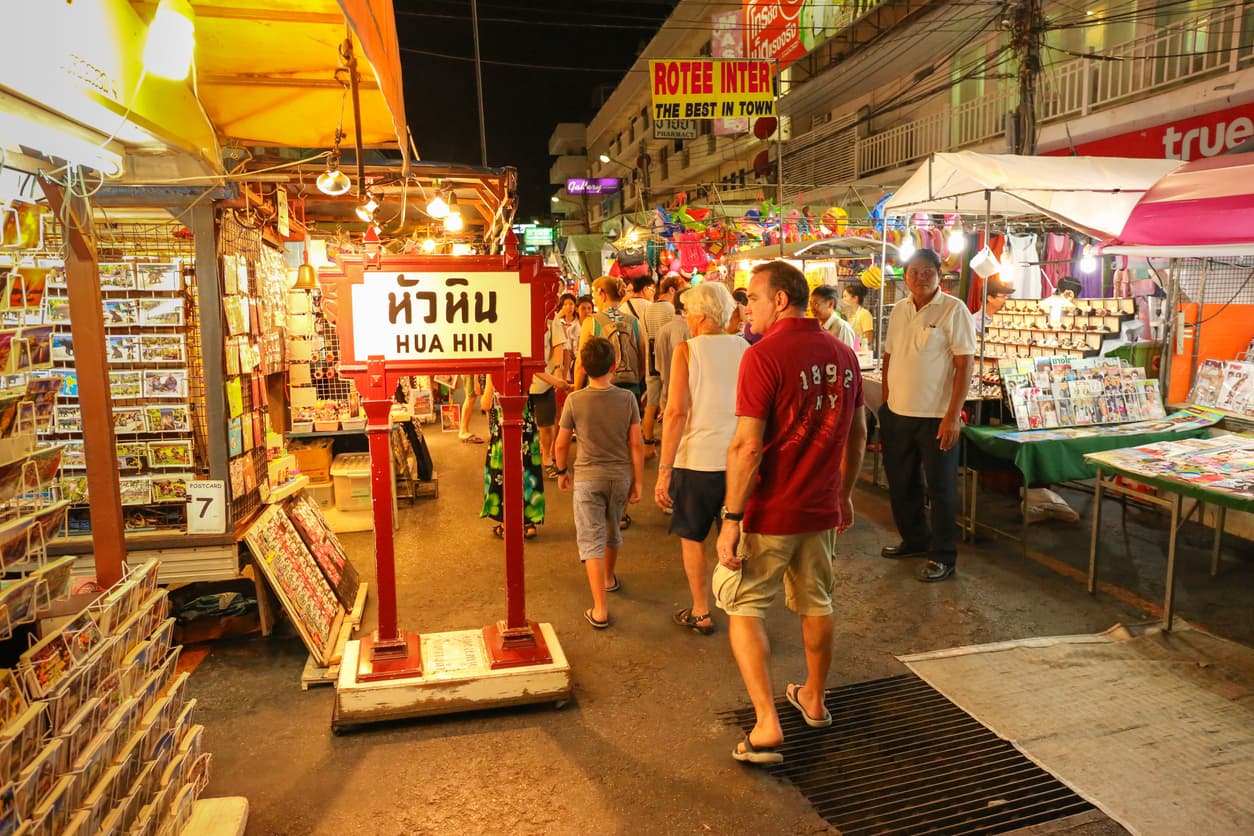
Thai police arrested 14 foreigners on Koh Samui on Aug. 15, one American among them, in the seventh phase of a nationwide nominee crackdown. Another American had been picked up in Hua Hin five days earlier.
Thailand's nominee crackdown is moving province by province through the corporate structures foreign buyers have leaned on for decades to hold land they can't own outright.
What the investigation found so far
More than 300 officers worked the Surat Thani operation. Investigators ran all 12,906 companies registered on the island through screening, found 8,254 with foreign shareholders and marked 875 as carrying possible nominee traits. Closer review cut that to 59 targets holding 37 parcels of land and buildings worth roughly 1.2 billion baht (about $36 million).
The sweep produced 60 cases against 88 suspects, 26 Thai and 62 foreign. The provincial court signed 37 search warrants. Of the 14 arrested, four were Chinese and four British, with single arrests of Italian, French, Dutch, Austrian, Filipino and American nationals.
The Hua Hin arrests came first
Roughly 200 police and civil servants hit 15 addresses in Prachuap Khiri Khan on Aug. 10 and arrested 13 foreigners, one American. Courts had already signed warrants for 45 foreign nationals. Police summoned 39 Thais for questioning.
The target was a subdivision of houses and pool villas in Thap Tai, units running about 10 million to 20 million baht (roughly $300,000 to $600,000). The broader case covers 33 companies suspected of fronting land purchases worth around 300 million baht.
How the suspects got there is the part worth reading. Foreign nationals questioned said they had asked law and accounting firms how to hold Thai property, were steered toward setting up companies and took that route to be lawful, police said.
The Thai names on those registers told investigators something else: no money paid in for the shares, no role in running the businesses, no sight of the books. None of the 13 has been charged.
The 51-49 structure under scrutiny
Foreigners can't own land in Thailand. What they can own is a stake in a Thai limited company, capped at 49%, and that company can hold land in its own name. The Foreign Business Act B.E. 2542 permits the arrangement. It doesn't permit Thai shareholders who are names on a page and nothing more.
On Aug. 1 the Department of Business Development began demanding bank statements from Thai shareholders and directors at high-risk firms, letting officials test whether the people on the share register actually put up the money. That goes straight at the weak joint.
Cross-referencing registration filings, shareholder lists and financial statements flagged close to 120,000 companies for a second look, each with foreign ownership between 0.01% and 49.99%, director-general Poonpong Naiyanapakorn said.
Sixteen provinces carry the focus, Surat Thani and Prachuap Khiri Khan among them, along with Phuket, Krabi, Phang Nga, Chonburi and Chiang Mai. In the first 10 provinces alone, 18,720 firms rate very high risk. The Department of Special Investigation and the DBD agreed joint enforcement guidelines in May.
The nationalities the department named as recurring across its risk groups were Chinese, British, Indian, French, Singaporean, Russian, Japanese and South Korean. No Americans.
The Treaty of Amity covers business, not land
Americans get something in Thailand no other nationality does. The US-Thai Treaty of Amity and Economic Relations, in force since 1833 and rewritten in 1966, lets American-owned firms skip the 49% ceiling and be treated as Thai companies for most purposes.
The carve-out has holes. Land ownership sits on the excluded list, alongside inland transport, communications, fiduciary work, deposit-taking banks and natural resource extraction.
So an American can register a Treaty of Amity company, own all of it and run it lawfully. None of that puts the ground under a villa in American hands. The exemption ends where the enforcement begins.
The number of exposed Americans is unknown
Police arrested 27 foreigners across the two operations. Two were American. Neither the Royal Thai Police nor the Department of Business Development breaks nominee data out by the beneficial owner's nationality, so nothing published shows how much of the 120,000 is American.
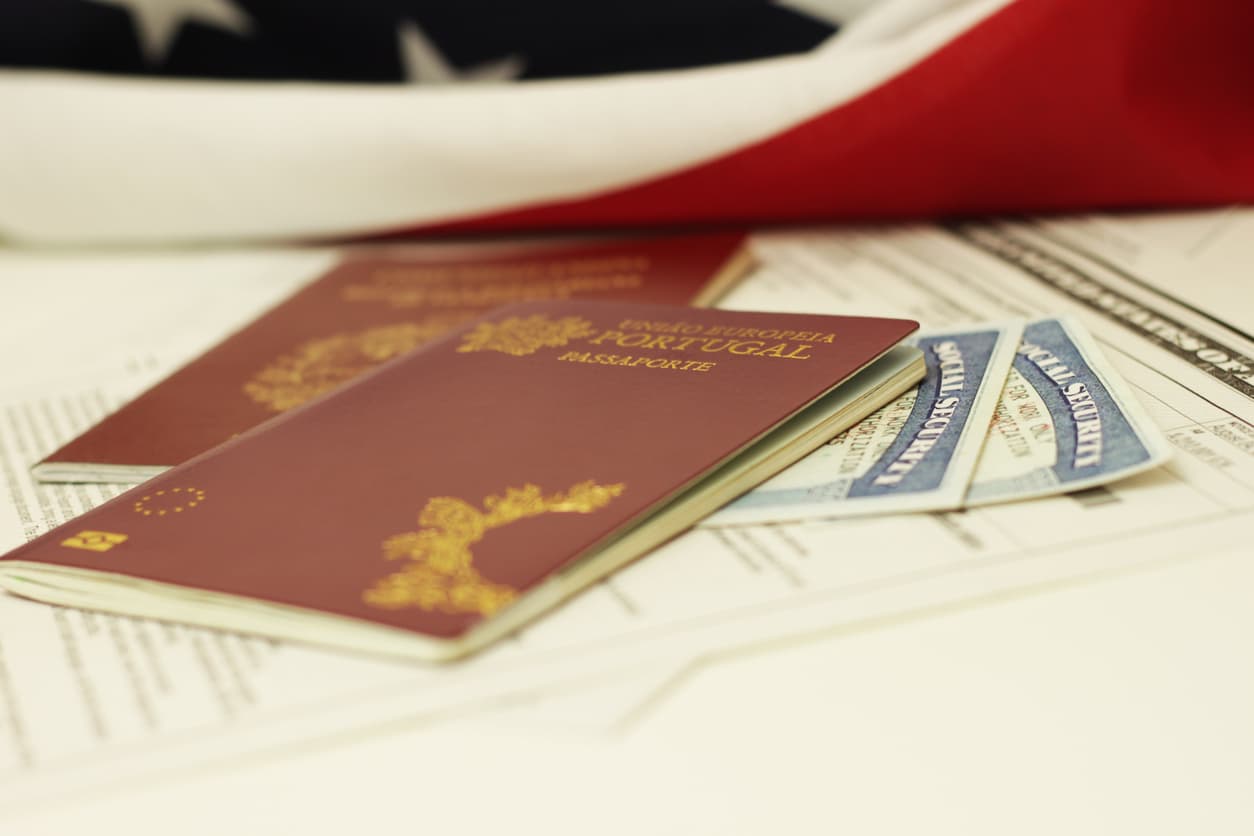
Proxies don't close the gap. The Social Security Administration paid 8,642 beneficiaries in Thailand in December 2024, well short of the countries with the largest American populations abroad. Those are pension checks, not title deeds.
The first five phases went through 233 land parcels covering more than 160 rai, valued at about 2.539 billion baht (roughly $77 million), producing 133 arrest warrants and 20 convictions. Phases six and seven added Hua Hin and Koh Samui five days apart.