New USPS absentee ballot rules can't take effect anywhere in the country before the Nov. 3 midterms, after a federal judge in Boston granted a nationwide preliminary injunction on Aug. 11. The order covers all 50 states. It also surfaces something most coverage has skipped: the draft postal rule carved out Americans voting from abroad, and the executive order behind it didn't.
That gap is the story for overseas voters. The injunction is temporary. The Supreme Court could lift it any day.
What the postal rule would have required
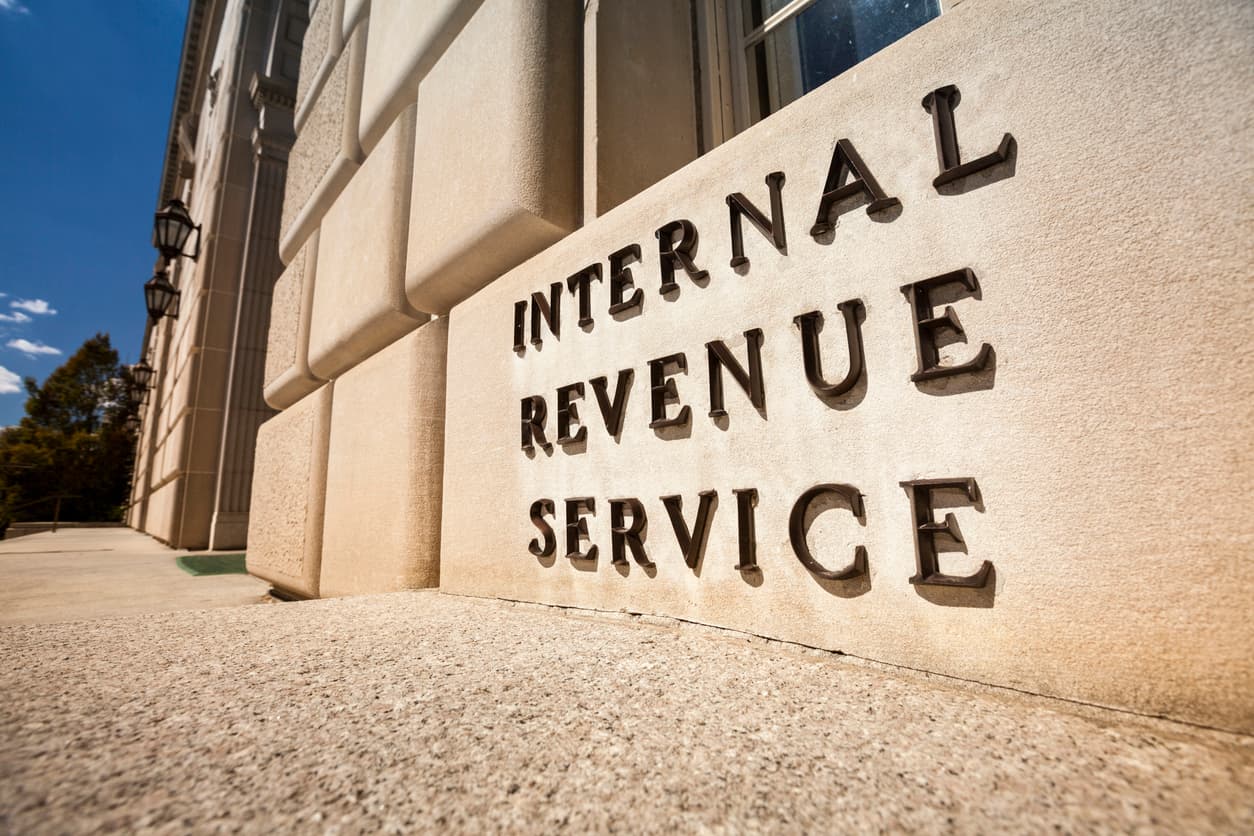
The Postal Service published Ballot Mail for Federal Elections on June 2, a proposed rule adding Section 705.24 to the Domestic Mail Manual. Comments closed July 2. Everything would run through a new online system called the Federal Ballot Mail Portal.
The proposed standards:
Envelope design. Outbound and return ballot envelopes carry the Official Election Mail logo, are automation compatible and bear a unique Intelligent Mail barcode, the tracking code USPS scans as a piece moves through the network.
Participation lists. States submit each voter's name, address and both barcodes to the portal before ballots go out.
Verification. USPS checks the mailing against that list at the counter, before accepting it.
Noncompliance. Mailings that fail "will not be accepted and will be returned to the authorized ballot mailer."
The exemption lives in a draft, not in the order
Two sentences in the preamble keep overseas voters out of all of it. The agency isn't proposing to apply the standards to primary elections or to ballots under the Uniformed and Overseas Citizens Absentee Voting Act, the 1986 statute requiring states to let citizens abroad register and vote absentee in federal races. UOCAVA is a separate scheme with its own deadlines, the rule says.
Then comes the qualifier: "The Postal Service welcomes comments on these issues, however."
Executive Order 14399, signed by President Donald Trump on March 31, contains no exemption at all. Section 3, the provision the postal rule implements, directs that USPS "shall not transmit mail-in or absentee ballots from any individual" who isn't enrolled on a state list.
Nothing in the order spares a ballot posted from Lisbon, Bangkok or Mexico City. The protection overseas voters got exists in a proposal the agency invited the public to argue with.
Who is actually suing
The case is League of Women Voters of Massachusetts v. Trump, and the Association of Americans Resident Overseas is one of eight plaintiff organizations. U.S. Vote Foundation is another.
U.S. District Judge Indira Talwani opened her account of federal election law with UOCAVA, then enjoined USPS from implementing Section 3 for the November election, "including refusing to transmit mail-in or absentee ballots," and from completing the rulemaking. The groups must post a $100 bond by Aug. 18.
Talwani first blocked the order June 25 in a separate suit by 23 states and the District of Columbia. The 1st U.S. Circuit Court of Appeals declined to pause that ruling. The administration went to the Supreme Court on July 27 in Trump v. California, and Solicitor General D. John Sauer filed again on Aug. 12, warning the justices that Talwani's orders "will effectively run out the clock." No ruling had come down as of Aug. 13.
The fax line closed a year ago
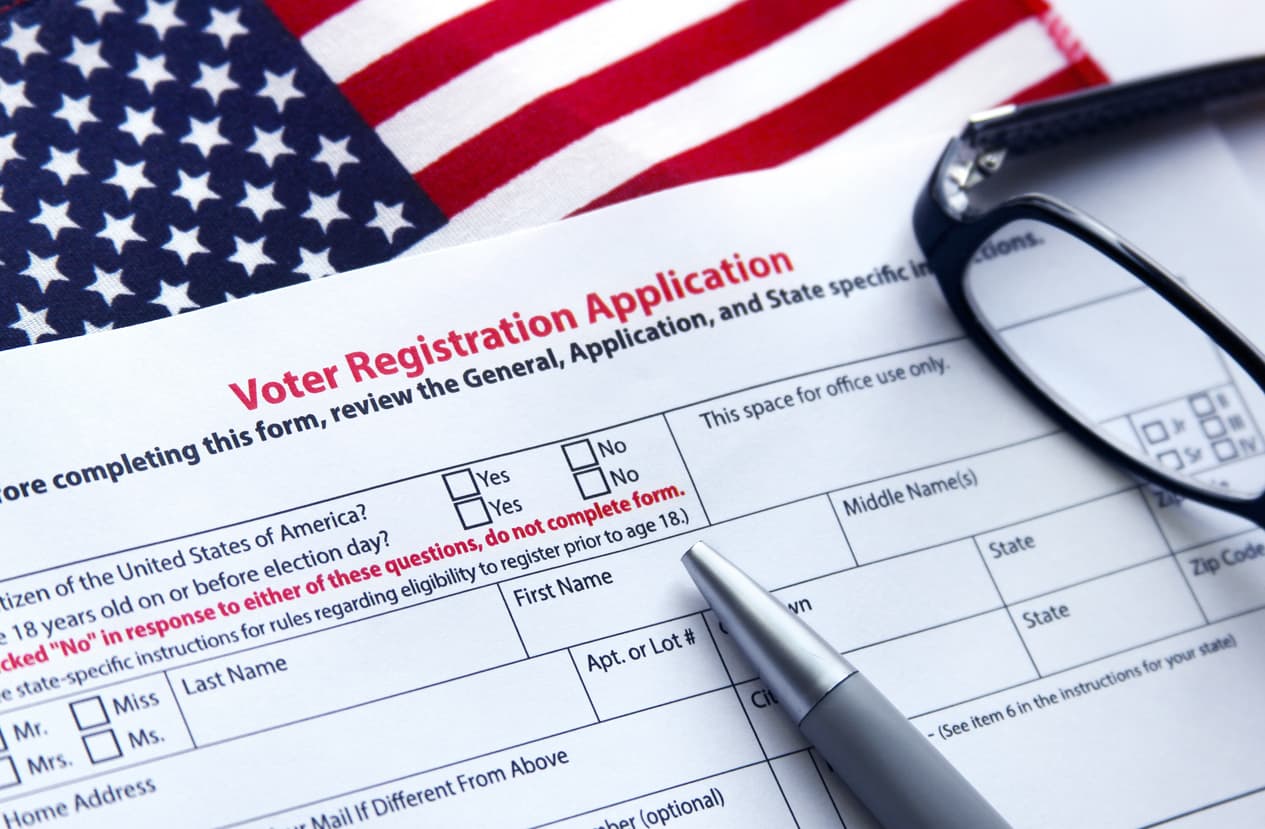
One federal service overseas voters relied on is already gone. The Federal Voting Assistance Program discontinued its Department of Defense fax service effective Aug. 1, 2025, ending a relay that transmitted voted ballots and Federal Post Card Applications, the registration form citizens abroad use, to election offices for voters with no fax machine of their own.
California ordered county officials to strip every reference to it from websites and ballot return instructions.
The replacement is not a federal one. Overseas voters who still want to fax a ballot have to arrange it with their county directly, and it must arrive by 8 p.m. on Election Day. That narrows a population already inclined to lose ballots to delay rather than to litigation.
The 19 days between a ballot abroad and a ballot at home
California recommends that voters outside the United States mail the Nov. 3 ballot back by Oct. 4. For voters inside California, the recommended date is Oct. 23. Ballots at sea should go by Sept. 29.
That 19-day spread is the durable constraint, and no injunction shortens it. Turnout among Americans abroad reached 11% in 2024, against 76.1% at home. California will count a mailed ballot postmarked by Election Day if it arrives within seven days. Most of the ones that don't get counted were never mailed at all.