European citizenship changes could extend waits for Americans already abroad. Ireland proposes eight years; Sweden and Portugal have enacted longer waits.
British citizenship applications from Americans fell to 2,041 in the second quarter, down 23% from a record first quarter and 9.6% year over year.
Ali Younes, a Jordanian-American journalist, faces sedition charges and a travel ban in Jordan, where US consular protection does not reach dual citizens.
Portugal missed the Aug. 16 deadline to update its citizenship law regulations, leaving Americans without clear procedures on the new civic and financial tests.
The IRS expatriation list carried 1,781 names in the second quarter of 2026, up 68% from a year earlier, weeks after the renunciation fee fell to $450.
The Internal Revenue Service published 1,462 names on its latest quarterly list of U.S. citizenship renunciations for the first quarter of 2026. That's up 13.8% from the same quarter a year earlier and marks the second-highest quarterly total in the past year. The increase is notable because it occurred before the government lowered the fee to renounce U.S. citizenship.
British citizenship for Americans drew 2,654 applications in the first quarter of 2026, the highest quarterly count in 22 years of Home Office records.
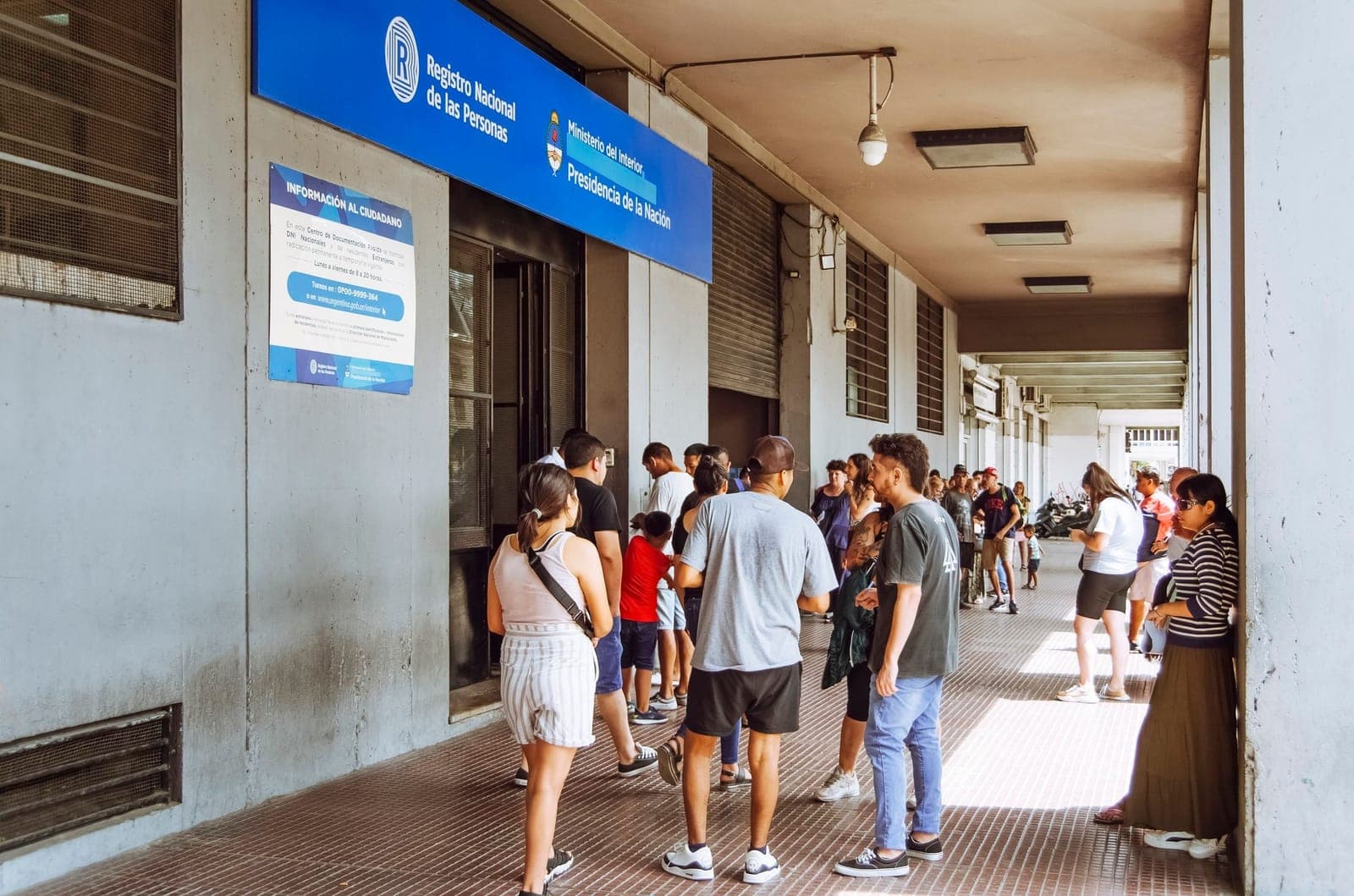
Argentina revised its naturalization requirements by executive decree under President Javier Milei in 2025, imposing stricter conditions on the path to citizenship. The most significant change affects residency clock continuity: a single trip abroad can reset an applicant's accrued residency to zero, a consequence that may not become apparent until after travel has already occurred.
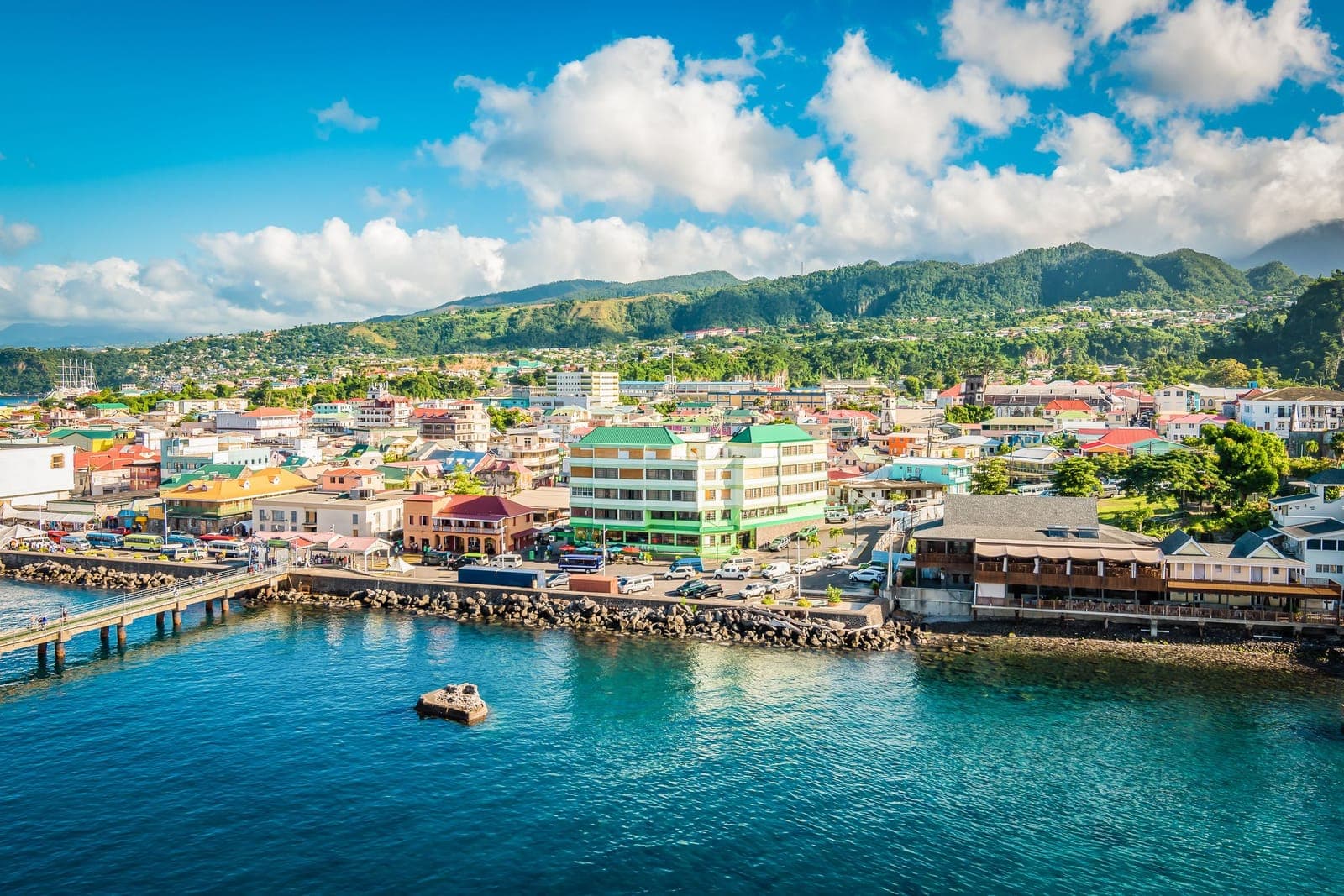
Dominica citizenship by investment starts at a $200,000 donation, but the program offers no US E-2 access and no public count of American buyers.
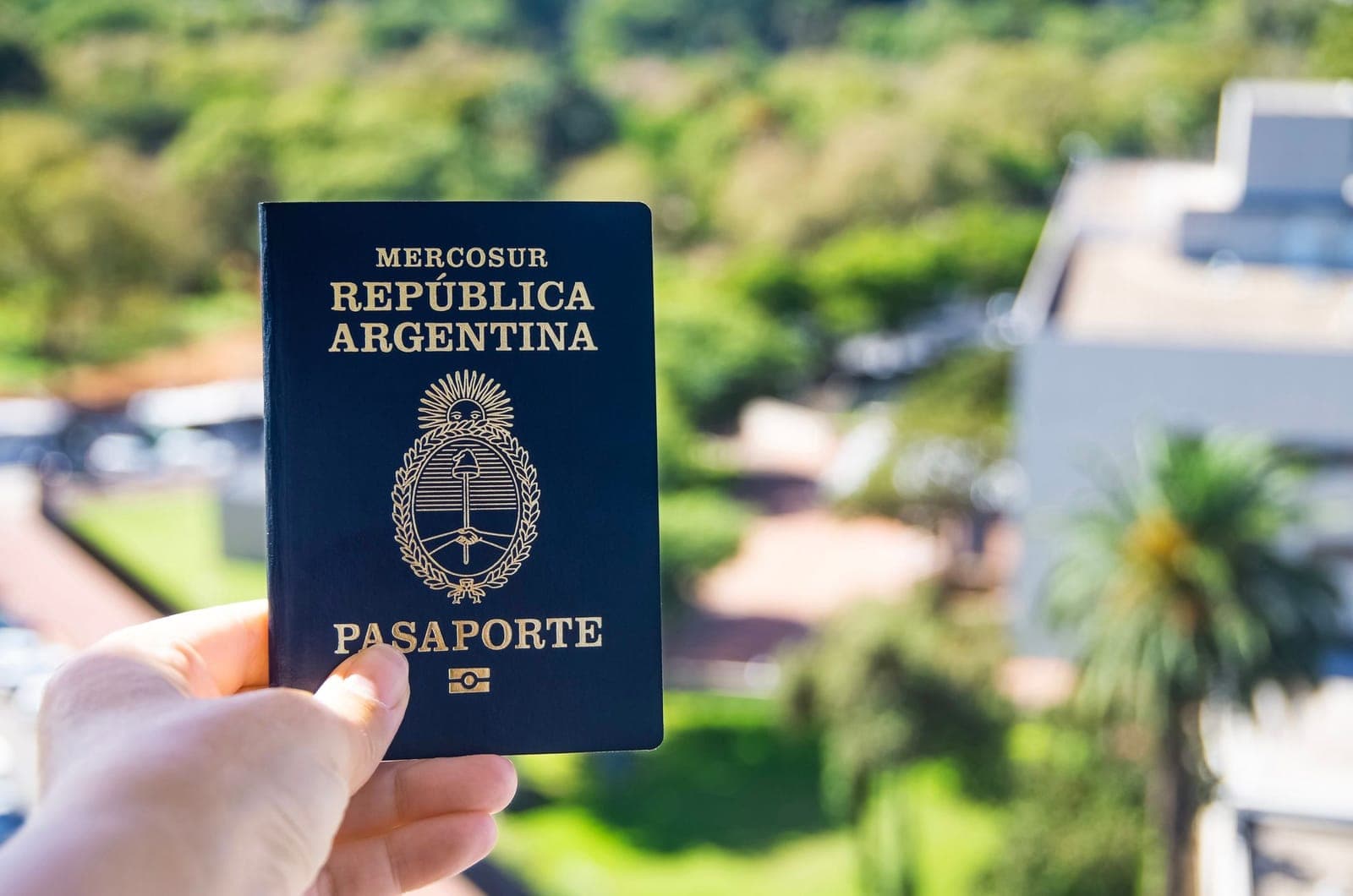
Argentina is moving toward launching South America's first golden visa, with an executive director appointed in late April 2026 and a second-half launch date in view. The program, authorized under Decree 524/2025, would offer a direct route to an Argentine passport with no residency requirement attached.
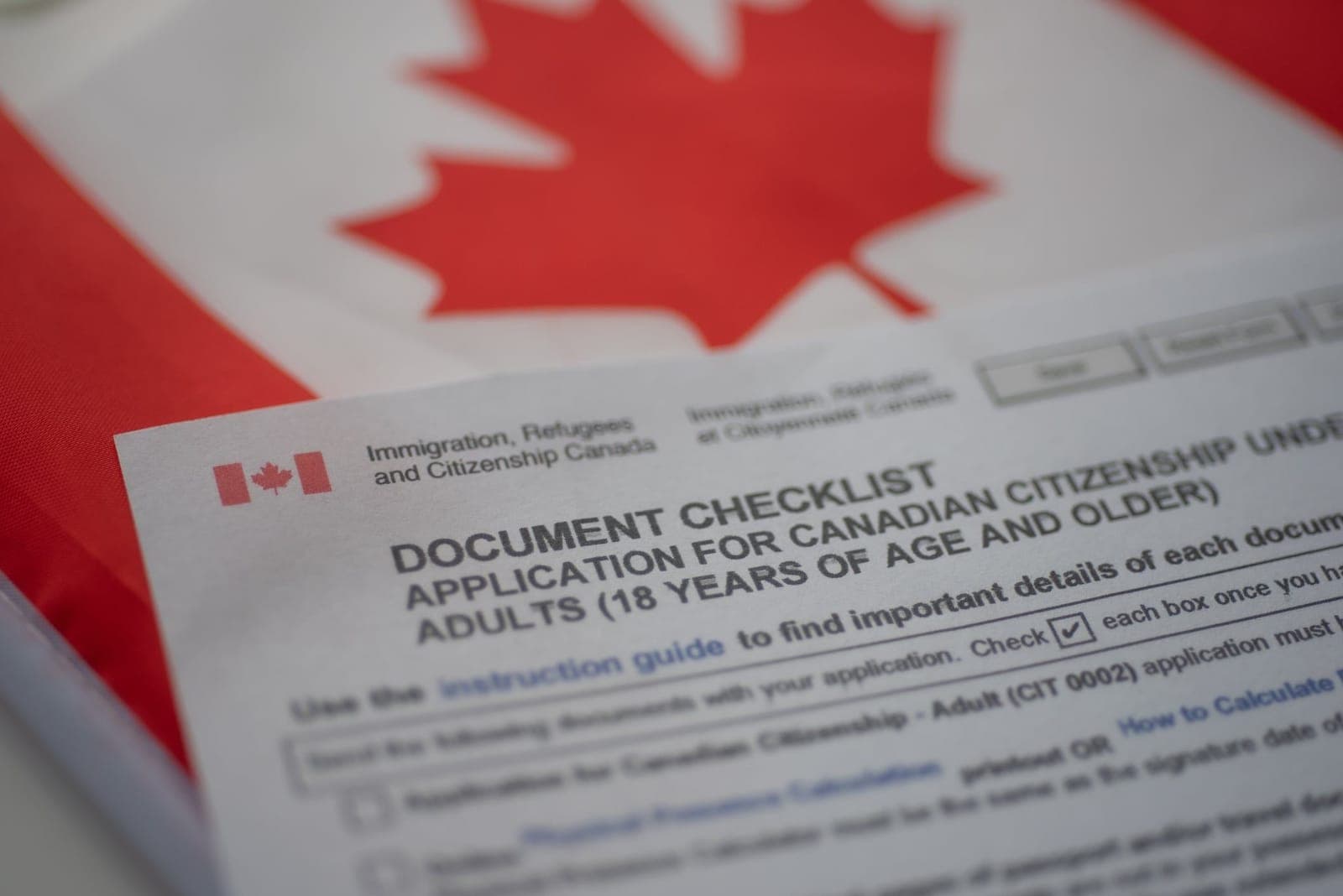
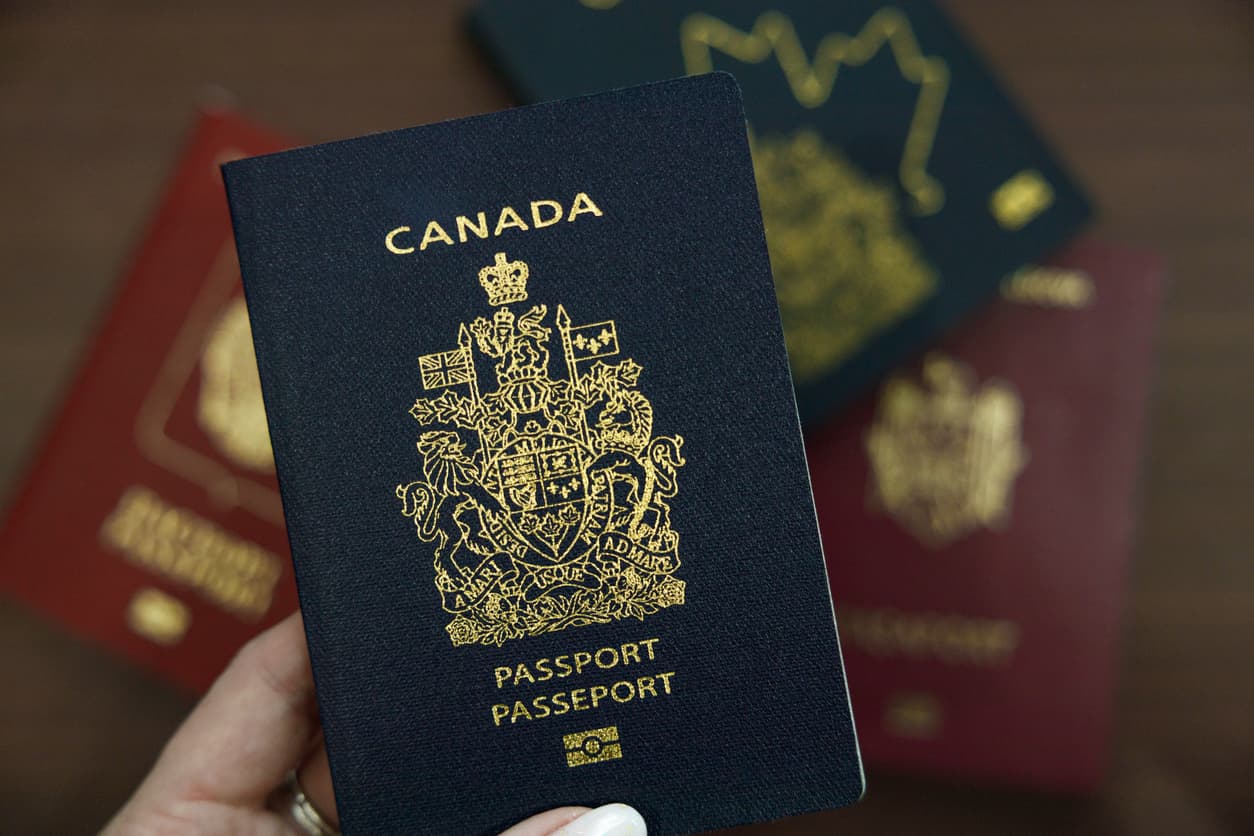
Canada's immigration authority began suspending approved citizenship-by-descent certificates on June 13, 2026, requiring recipients to return them for re-examination. The move, communicated by email rather than formal regulation, caught immigration lawyers off guard and threatens Americans who had secured the status as a pathway to living abroad.
Five CARICOM states operate citizenship-by-investment programs whose grants include free movement across the region. U.S. nationals are plausibly the largest single applicant group, yet they appear in neither set of records: not in destination-country resident tallies, not in U.S. emigration data.
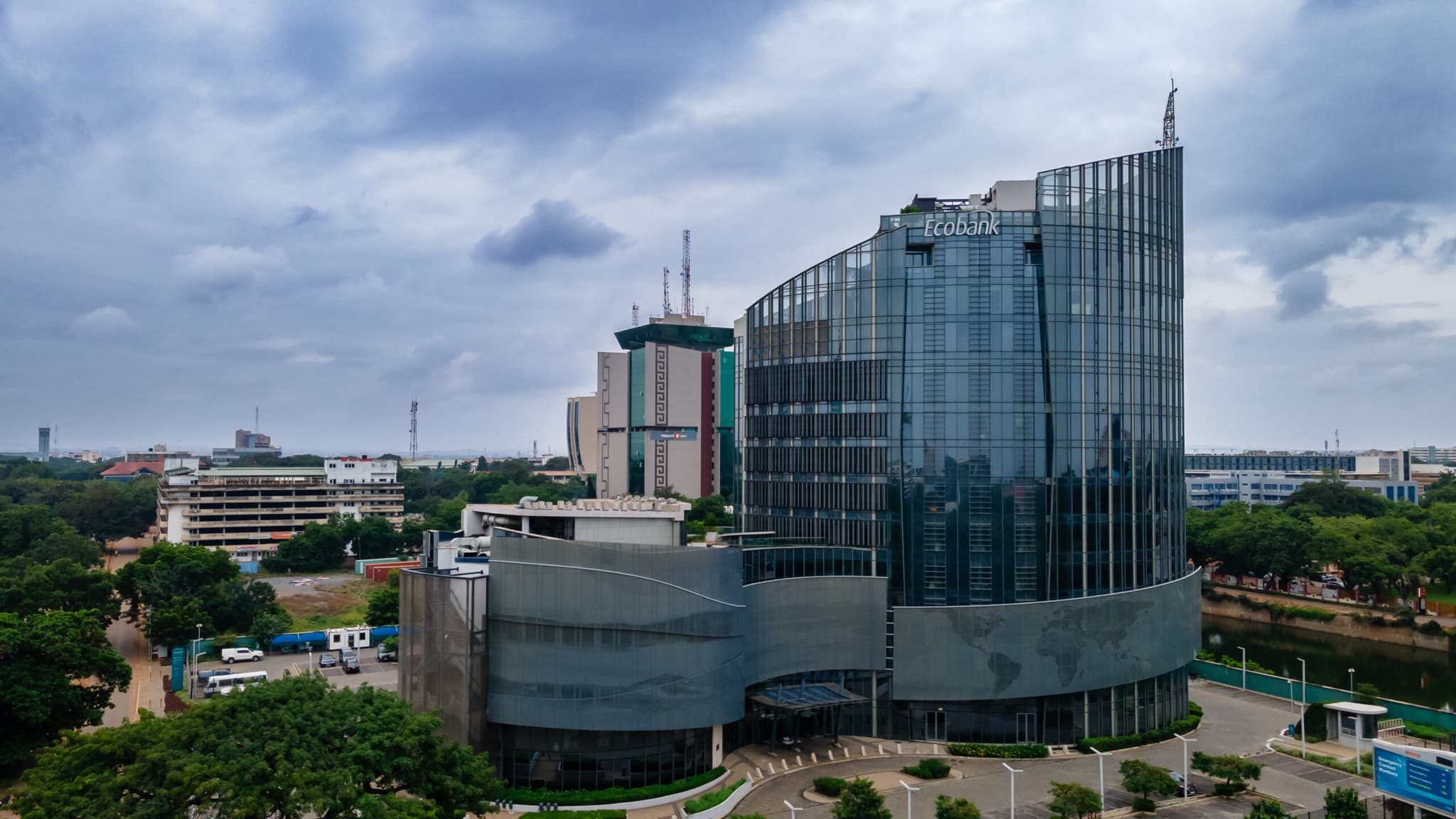
Ghana's Parliament passed legislation on April 2 creating a statutory mandate for a citizenship-by-investment program that does not yet exist. For the thousands of Americans who have settled in Accra through heritage-based pathways, the open question is what a paid route adds once it materializes.
Canada received nearly 2,500 applications for proof of citizenship from Americans in January 2026 alone, ten times the figure from second-place United Kingdom and more than the next nine source countries combined, making Canadian citizenship by descent one of the most pursued second-passport routes available to Americans.