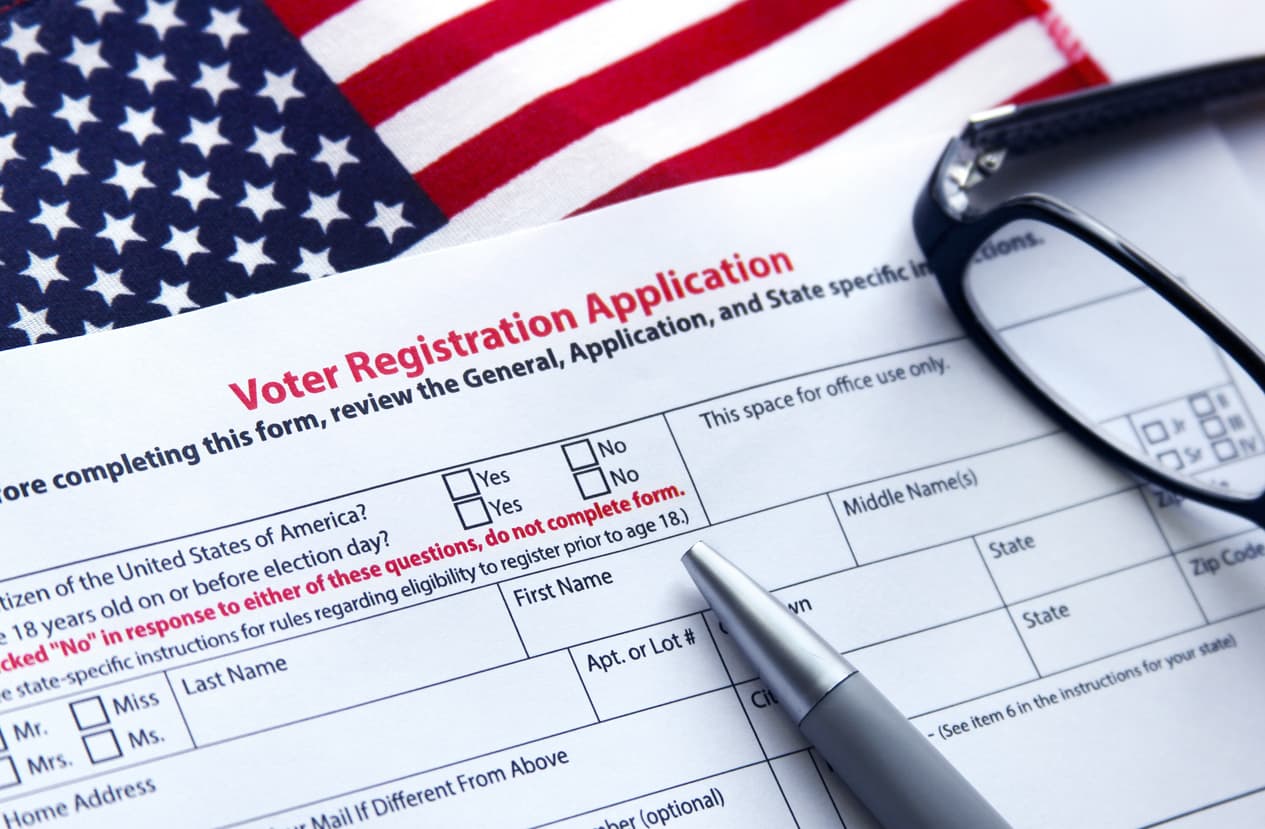
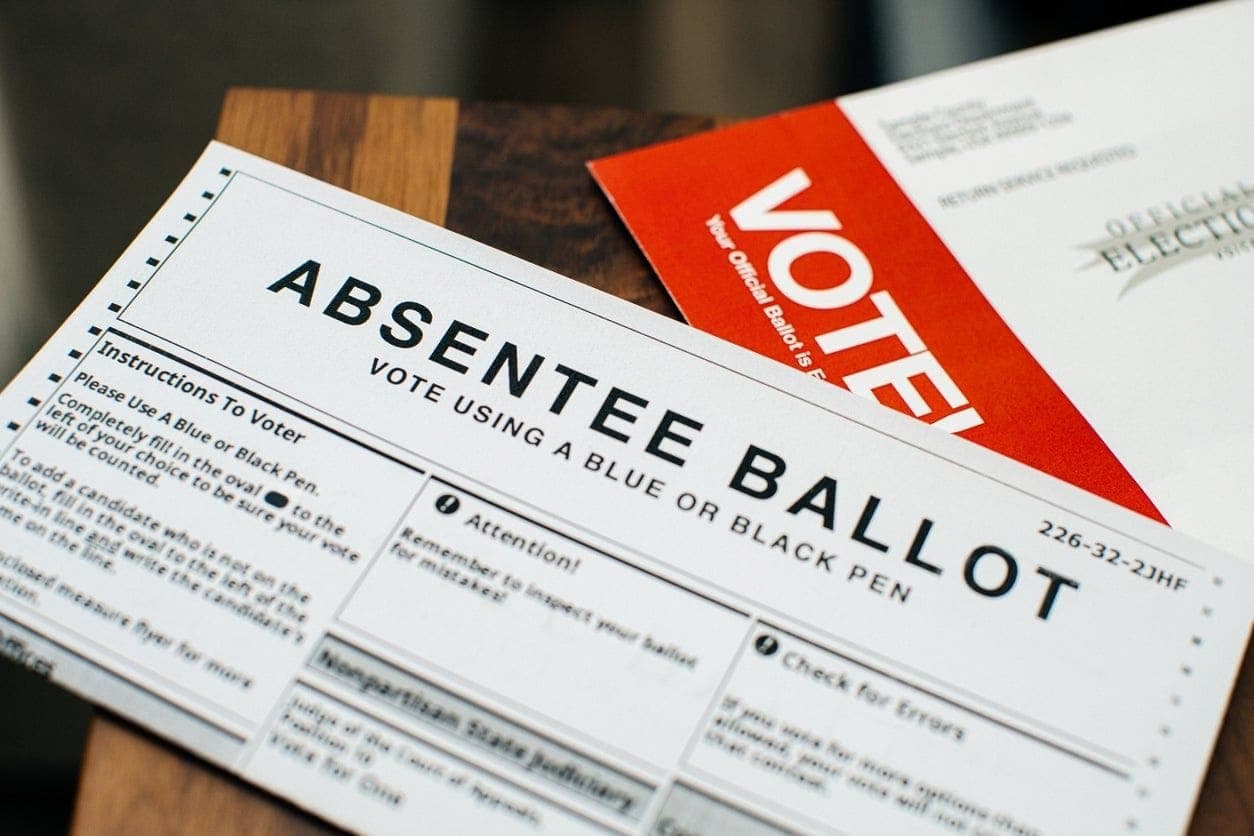
The federal forms Americans abroad use to register no longer let voters say they’ve never lived in the U.S. The change came through emergency approval weeks before midterm ballots went out.
The Supreme Court restored expanded voter citizenship checks before the 2026 midterms. Americans voting from abroad could also face SAVE verification.
European citizenship changes could extend waits for Americans already abroad. Ireland proposes eight years; Sweden and Portugal have enacted longer waits.
Never-resident voters, Americans born abroad who never lived in a US state, face RNC suits in eight states. Michigan and North Carolina split.
The Taxpayer Assistance and Service Act cleared Senate Finance 26-1 with three provisions for Americans abroad. The bill as introduced in February had five.
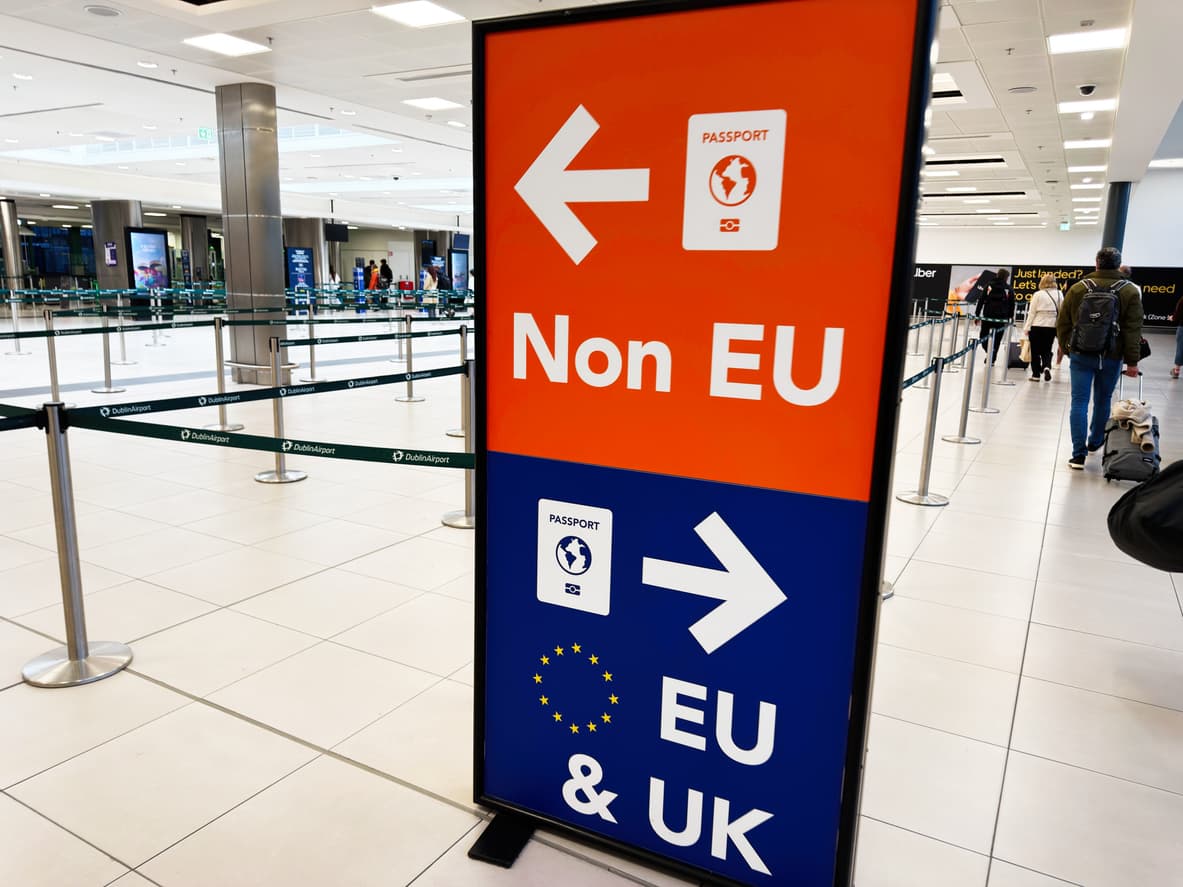
The EU Entry/Exit System exempts Americans holding residence permits, but Irish and Cypriot permits still trigger biometric registration at Schengen borders.
A growing number of Americans are returning home after living abroad, prompting financial advisers to dub them "boomerangs." But despite the trend, no US agency tracks how many citizens move back.
A Treasury watchdog report released April 8, 2026 found the IRS is not converting FATCA data on high-balance nonfilers into enforcement cases, despite the law's original mandate to target offshore tax evasion. The compliance burden created by FATCA's reporting requirements continues to fall disproportionately on ordinary Americans living abroad, including those seeking basic banking access.
Republican National Committee lawsuits challenging overseas voting laws are active in Michigan, North Carolina, Pennsylvania, Arizona, Virginia, and Colorado as of late June 2026, targeting state statutes that extend voting rights to certain Americans abroad ahead of the 2026 midterms. Legal challenges and practical barriers are both shaping overseas voter participation, though they operate on separate tracks.
The Residence-Based Taxation for Americans Abroad Act, first introduced by Rep. Darin LaHood (R-Ill.) as H.R. 10468 in December 2024, expired with the 118th Congress before advancing. Though 2026 was widely anticipated as a potential breakthrough year for the reform, legislation has not yet moved in the current Congress.
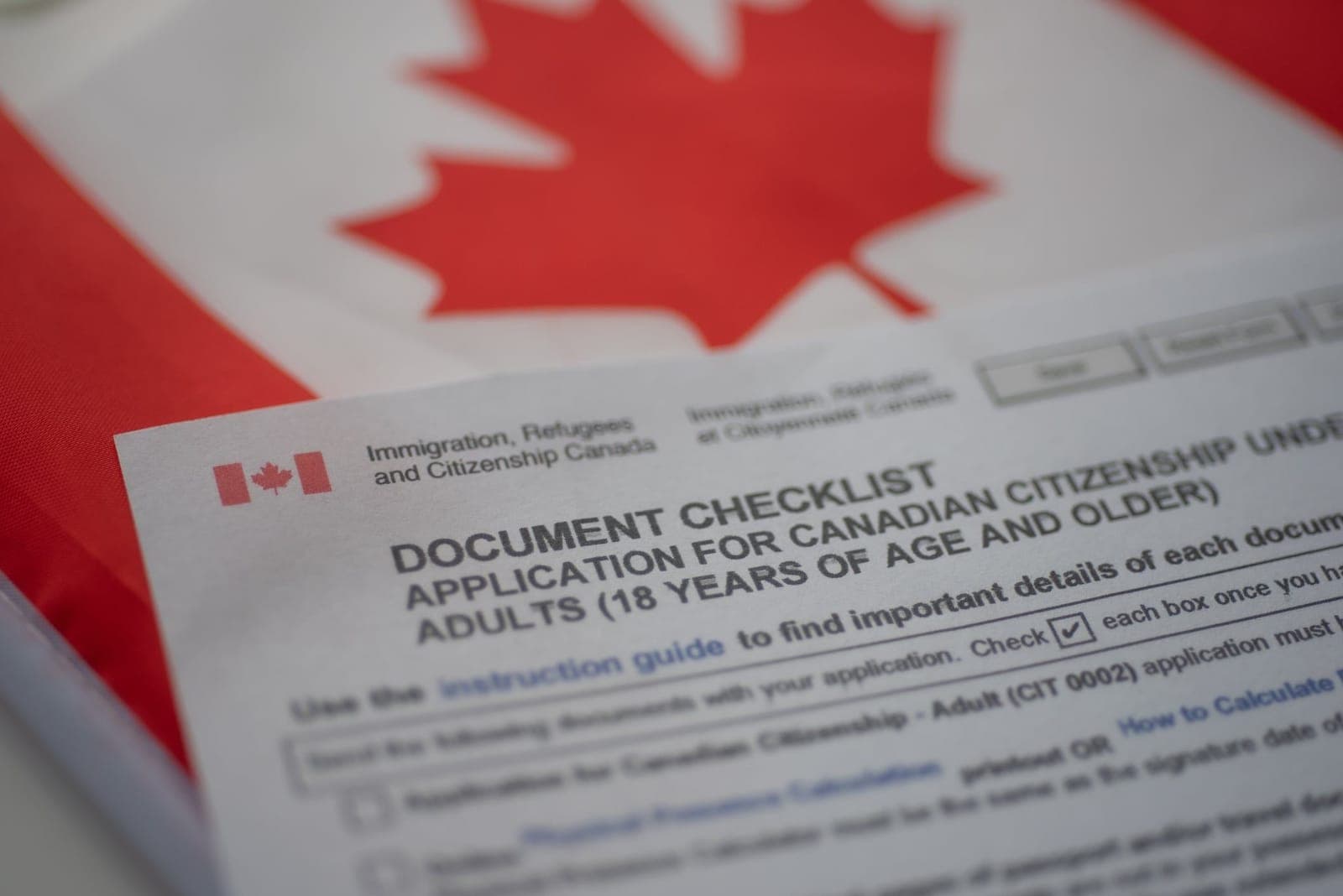
Canada's immigration authority began suspending approved citizenship-by-descent certificates on June 13, 2026, requiring recipients to return them for re-examination. The move, communicated by email rather than formal regulation, caught immigration lawyers off guard and threatens Americans who had secured the status as a pathway to living abroad.
The count of US citizens in Czechia hit 10,701 on Jan. 1, 2025, a 49% rise in five years, with Prague and a one-year trade-license route doing most of the pulling.
Major U.S. brokerages have restricted or closed accounts held by clients with foreign addresses, citing the compliance cost of serving small numbers of non-resident customers across overlapping regulatory regimes. The account closures have become one of the least-visible financial costs of American emigration.
A survey of American Citizens Abroad members conducted in October 2025 found 57% support extending Medicare to cover overseas medical services, with 34% backing full reimbursement and 23% partial. AudienceNet and NP Agency conducted the poll with 833 U.S. citizens living overseas; results were published May 19, 2026.