Sweden enacted legislation on June 15, 2026 authorizing the Swedish Migration Agency to revoke residence permits for non-criminal conduct, including permits already granted. The first measure of its kind since 2005, the law takes effect July 13 and applies to all non-EU migrants, including Americans, on equal terms.
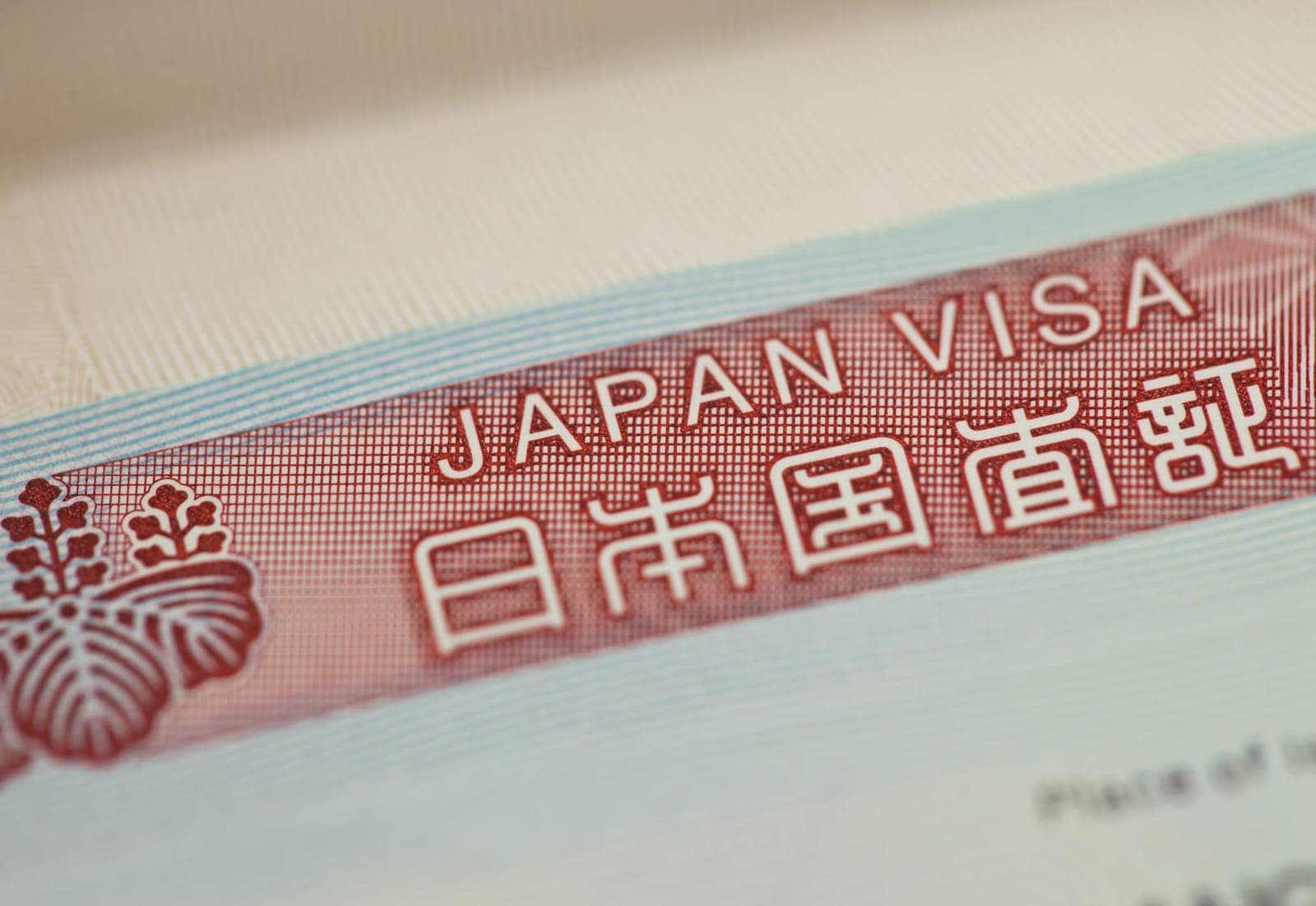
Japan's parliament passed immigration legislation on May 29 raising the legal ceiling on permanent residency application fees from ¥10,000 ($62) to approximately ¥200,000 ($1,240), a roughly twentyfold increase. The law sets the maximum; the actual fee will be established separately, leaving the final figure unresolved for applicants planning ahead.
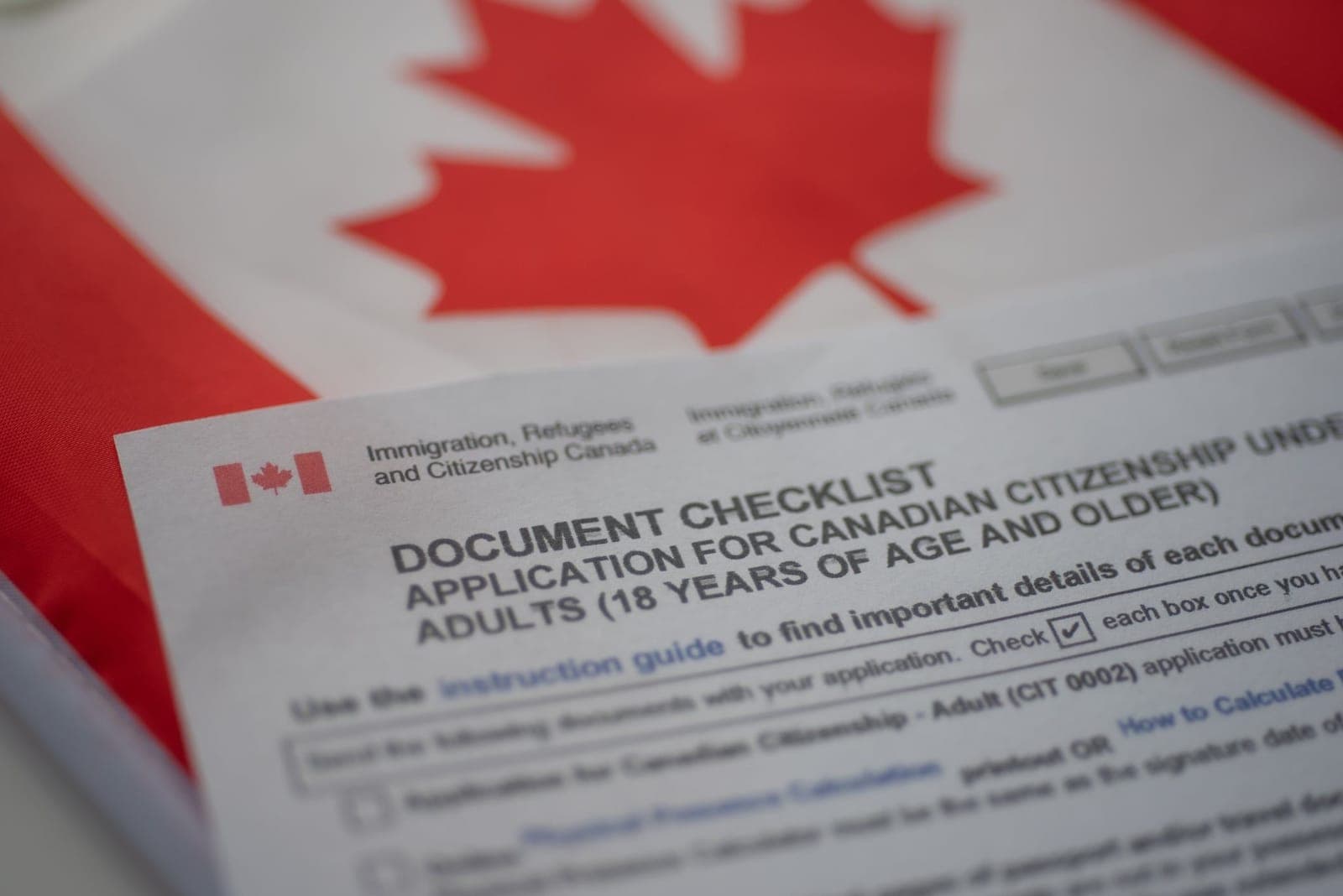
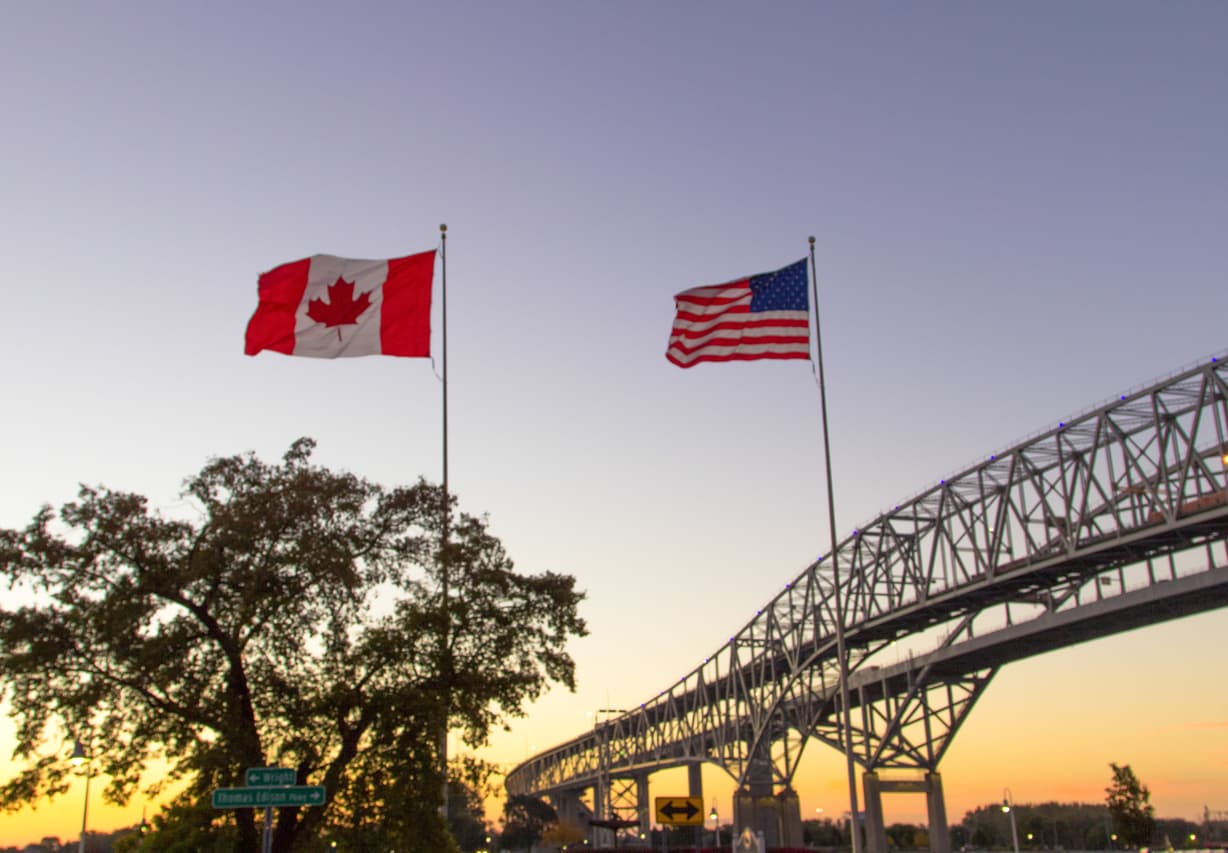
Canada's immigration authority began suspending approved citizenship-by-descent certificates on June 13, 2026, requiring recipients to return them for re-examination. The move, communicated by email rather than formal regulation, caught immigration lawyers off guard and threatens Americans who had secured the status as a pathway to living abroad.
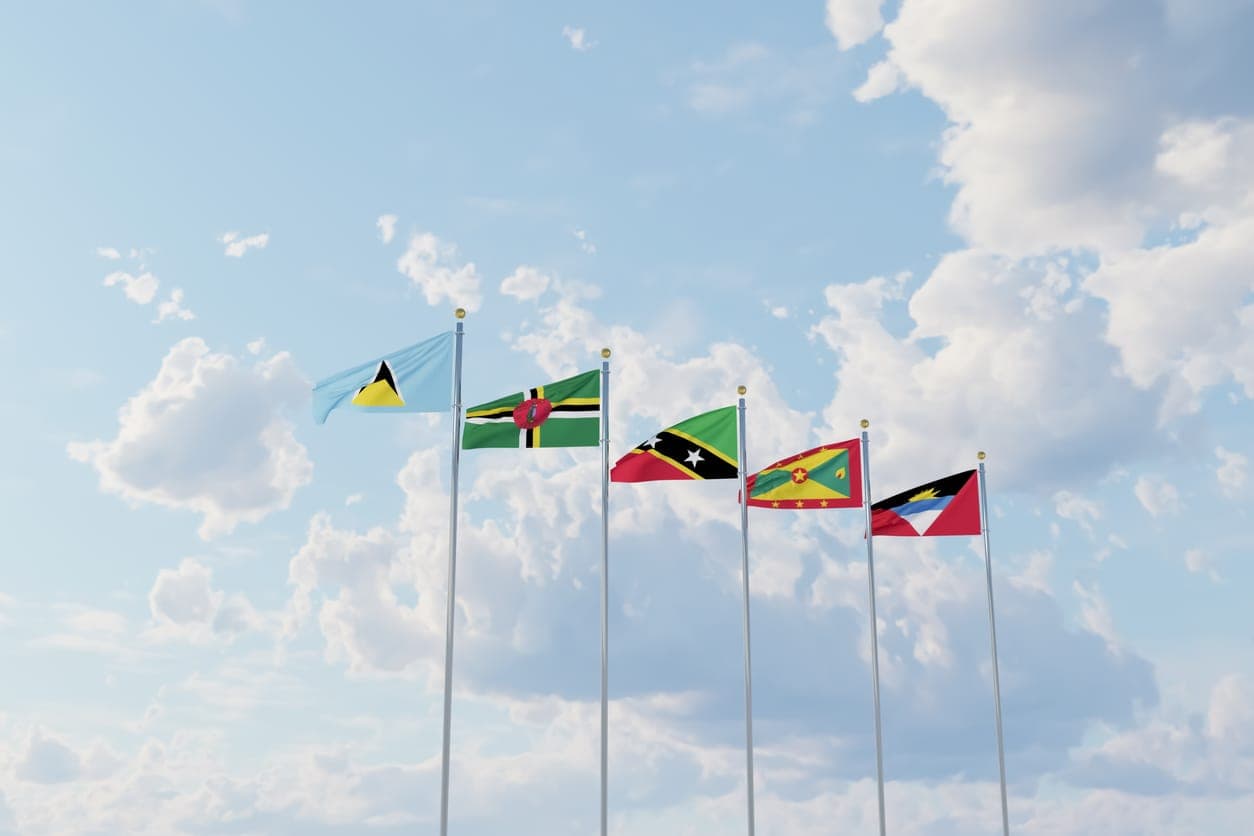
Five CARICOM states operate citizenship-by-investment programs whose grants include free movement across the region. U.S. nationals are plausibly the largest single applicant group, yet they appear in neither set of records: not in destination-country resident tallies, not in U.S. emigration data.
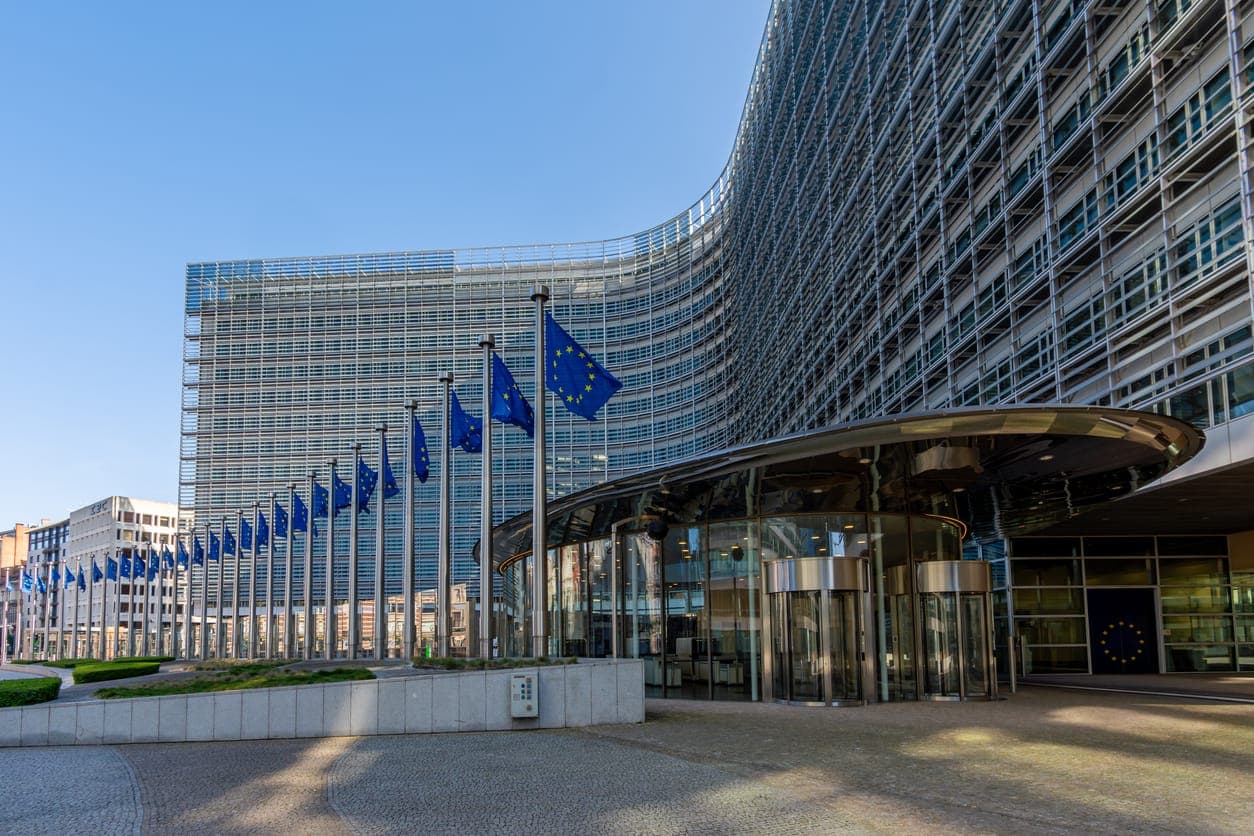
Eurostat is the only destination-country statistical system that publishes harmonized, country-disaggregated migration data on U.S. nationals. The decade ending in 2025 reveals four overlapping American stories in Europe that pull in different directions.
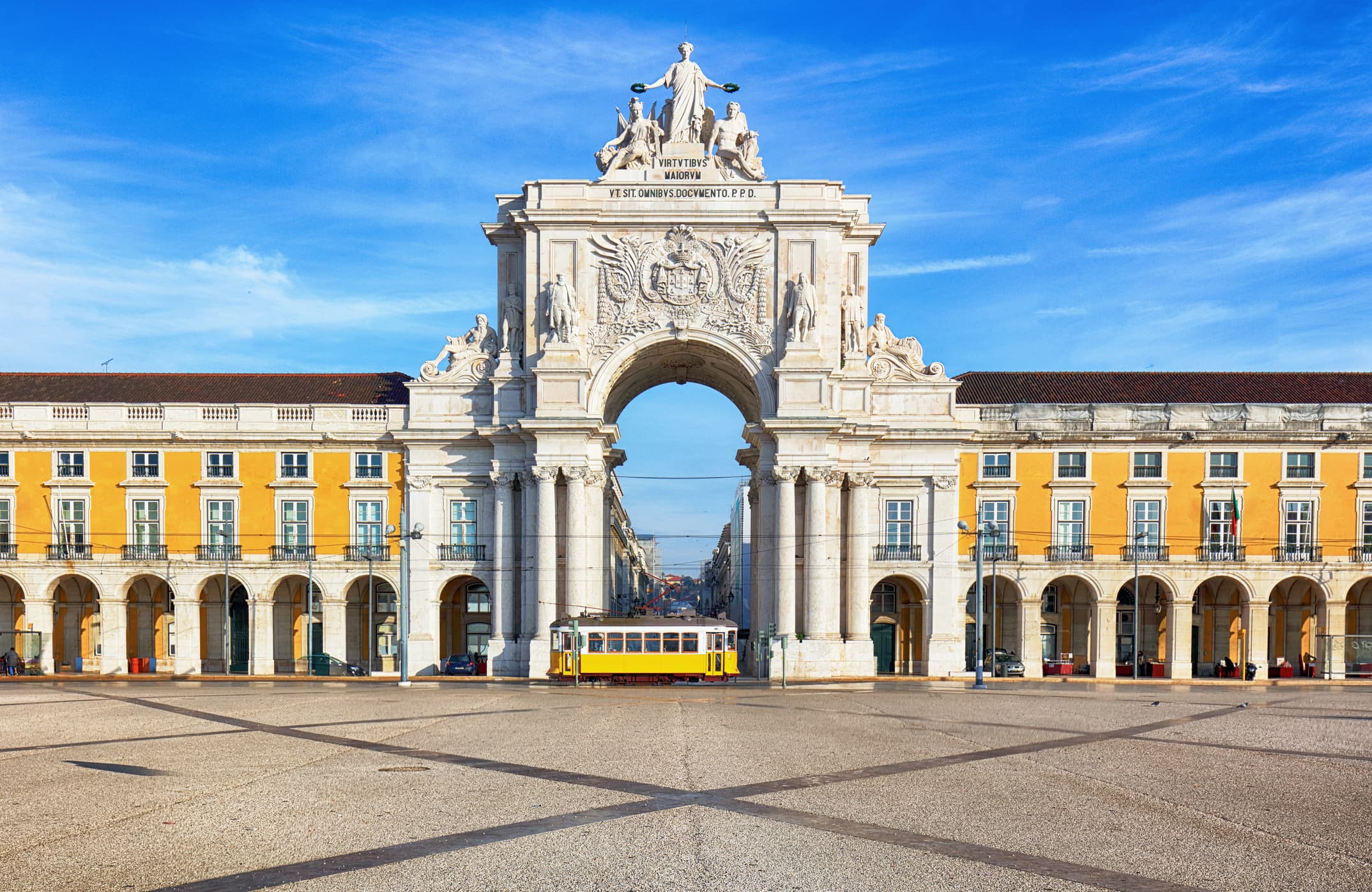
Portugal's immigration authority AIMA was working through a backlog of outstanding court decisions in May 2026, slowing residence permit issuance for new applicants. The delays are landing on Americans mid-application at a moment when the U.S. population in Portugal has never been larger.
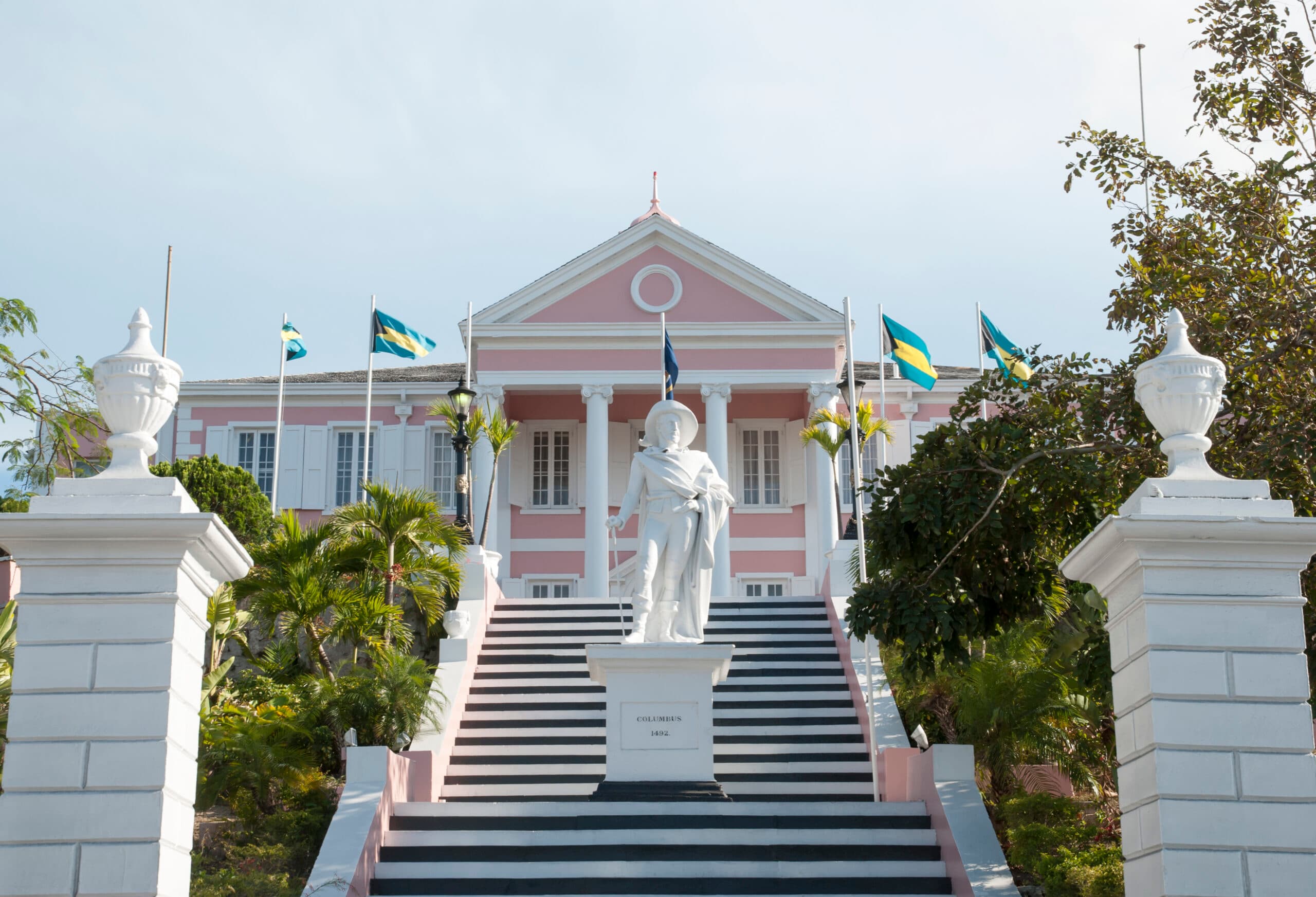
A proposed Bahamas immigration change would authorize the minister to issue residence certificates to citizenship applicants he rejects, for a $500 fee that undercuts the cost of an annual Bahamian work permit. The provision, surfaced during a budget debate, has drawn the most scrutiny of any element in the broader proposal.
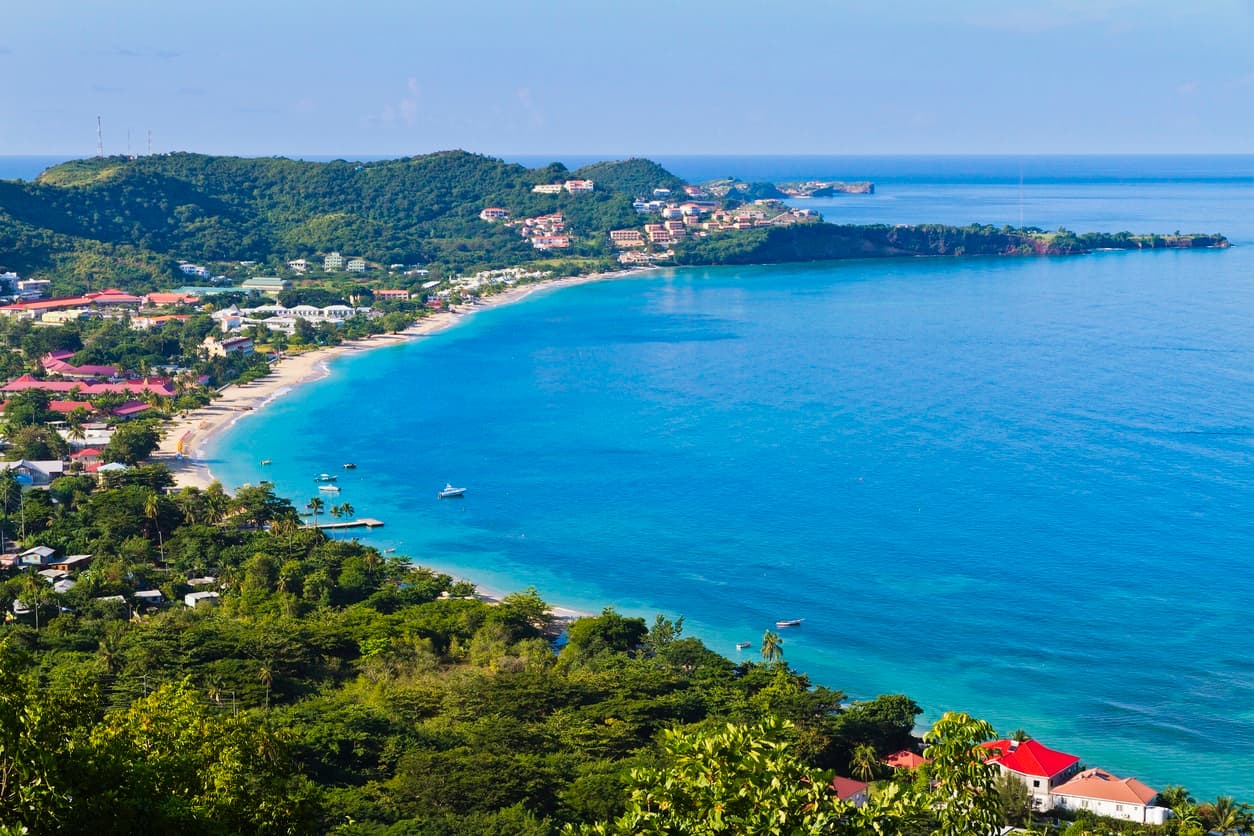
Grenada's citizenship-by-investment program received 27 applications from Americans in both 2024 and 2025, per Investment Migration Agency figures, holding steady as total program intake fell from 2,297 applications in 2023 to 469 in 2025.
U.S. asylum claims in Canada reached 634 in 2025, more than triple the 204 filed the year before and the highest annual total on record outside the first Trump administration, per Immigration and Refugee Board data. Another 858 U.S. claims were pending as of December 31.
Major U.S. brokerages have restricted or closed accounts held by clients with foreign addresses, citing the compliance cost of serving small numbers of non-resident customers across overlapping regulatory regimes. The account closures have become one of the least-visible financial costs of American emigration.
Finland raised the bar for permanent residence at the start of 2026, with Finnish Immigration Service amendments to the Aliens Act extending the basic residency requirement from four years to six, adding a Finnish or Swedish language test, and requiring two years of work history. President Alexander Stubb signed the changes on December 22, 2025.
Canada's business immigration system has effectively closed as of May 2026. The Federal Entrepreneur Program shut down January 1, the Federal Self-Employed Persons Program is paused indefinitely, and the Start-Up Visa is processing at more than 10 years with 46,200 applications queued. The Quebec Business Class, the last active federal route, sits at 78 months per IRCC's May 12 update.
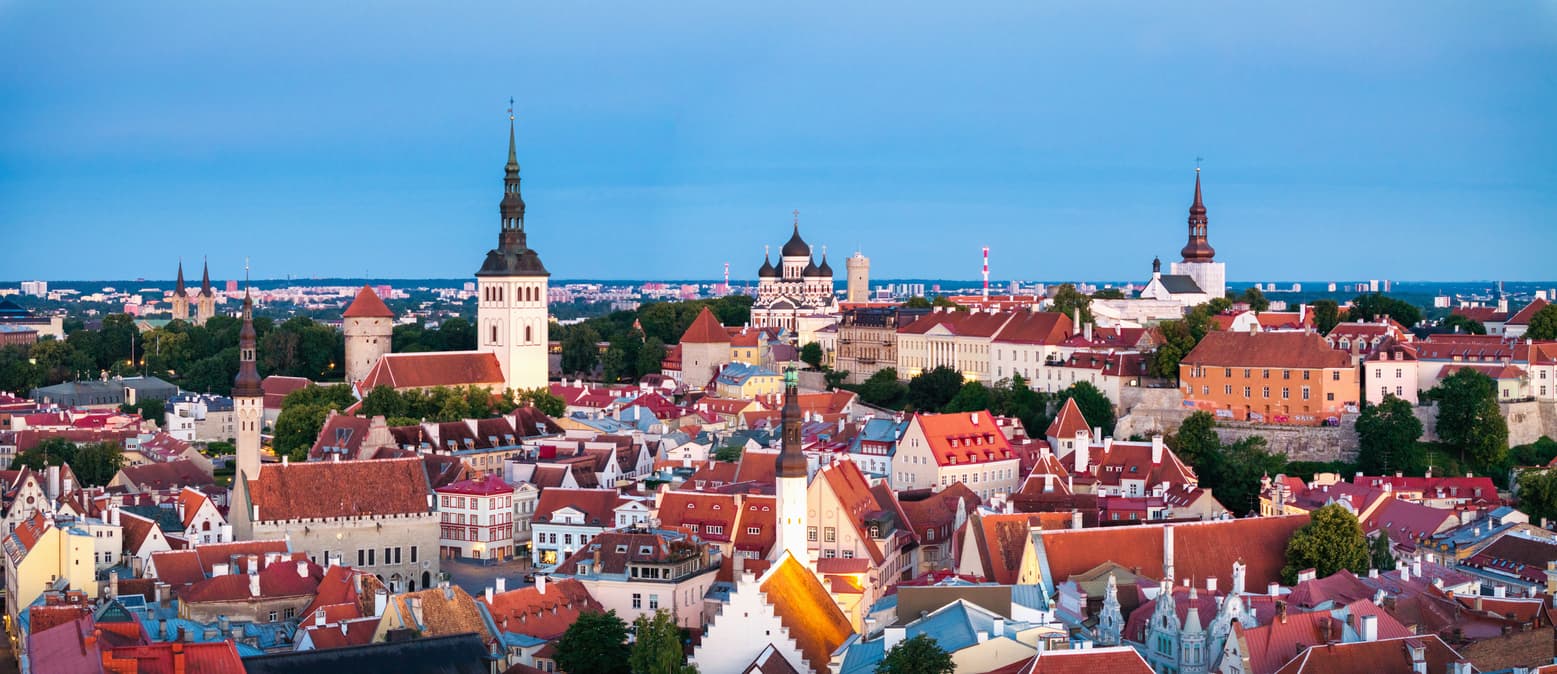
Estonia's 2026 immigration quota caps permanent economic migration at 1,292 people, equal to 0.1% of the resident population, but Americans are exempt. Under Section 115 of the Aliens Act, U.S. citizens are excluded from the cap alongside nationals of the United Kingdom, Japan, and EU, EEA, and Swiss citizens.
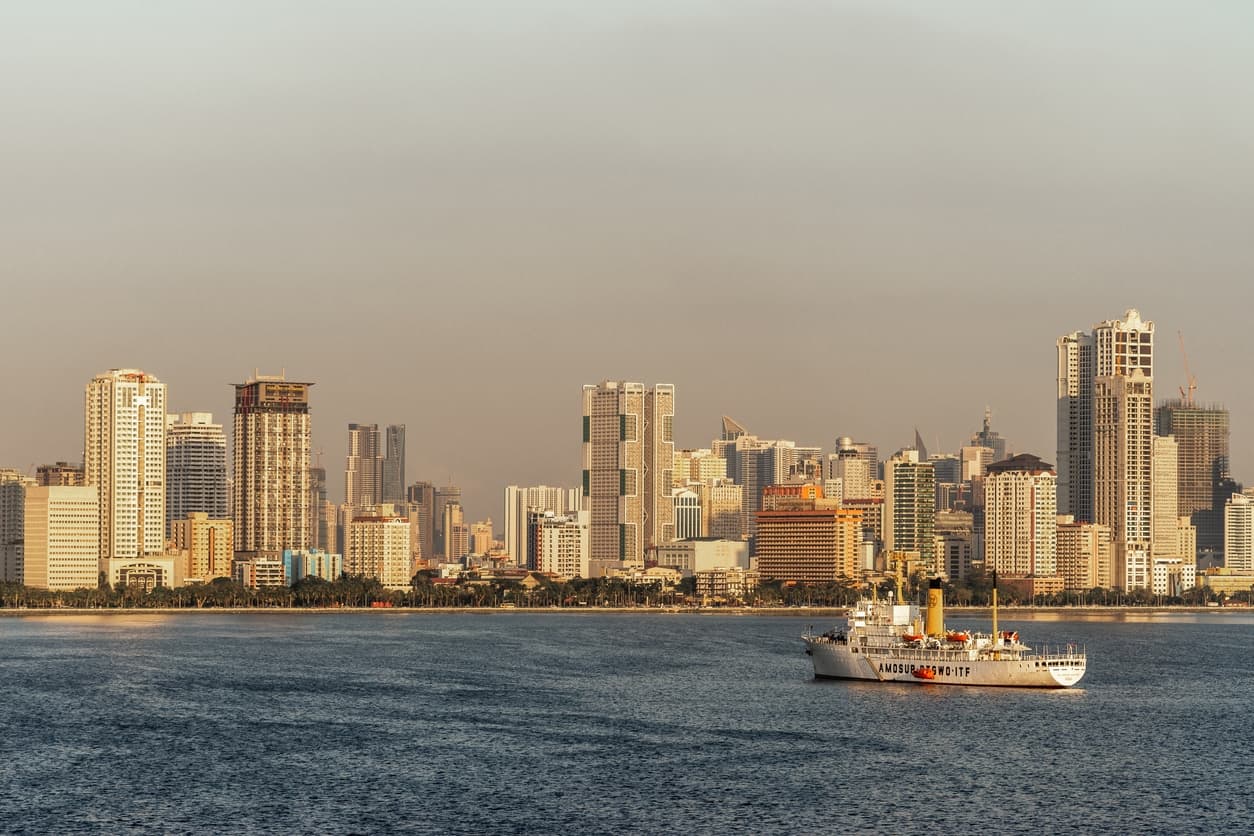
Four Philippine agencies count Americans four different ways and produce four different figures. The Philippine Statistics Authority's 2020 Census recorded 30,033 U.S.-citizen household residents. The Bureau of Immigration's 2026 Annual Report counted 11,519 Americans with active visas. The U.S. State Department estimates the true population at 220,000 to 270,000, a range that dwarfs every official domestic count.