American citizens received 80,424 first EU residence permits in 2024, up 1.9% from 78,911 in 2023 and the highest annual total in Eurostat's series going back to 2013. The increase came as overall EU permit issuance declined, making Americans one of the few nationality groups to record year-over-year growth.
Sweden enacted legislation on June 15, 2026 authorizing the Swedish Migration Agency to revoke residence permits for non-criminal conduct, including permits already granted. The first measure of its kind since 2005, the law takes effect July 13 and applies to all non-EU migrants, including Americans, on equal terms.
Portugal's immigration authority AIMA was working through a backlog of outstanding court decisions in May 2026, slowing residence permit issuance for new applicants. The delays are landing on Americans mid-application at a moment when the U.S. population in Portugal has never been larger.
The count of US citizens in Czechia hit 10,701 on Jan. 1, 2025, a 49% rise in five years, with Prague and a one-year trade-license route doing most of the pulling.
Americans moving to Brazil now sit among the country’s largest foreign residence cohorts, a slow climb back from the pandemic floor that the permit data only partly explains.
A proposed Bahamas immigration change would authorize the minister to issue residence certificates to citizenship applicants he rejects, for a $500 fee that undercuts the cost of an annual Bahamian work permit. The provision, surfaced during a budget debate, has drawn the most scrutiny of any element in the broader proposal.
The Dominican Republic issued 2,491 residence permits to Americans in 2025, with temporary residence accounting for 64% of the total at 1,591 permits. Every other category trailed by a significant margin.
Turkey's address-based population register counts 9,621 U.S. citizens as registered residents and 30,100 U.S.-born residents, a gap that reflects decades of naturalization and dual nationality among Americans who have put down roots in the country.
Spain issued 15,638 first residence permits to Americans in 2024, more than double the 7,383 issued in 2015 and the largest American pipeline in Europe after France. The resident stock stands at 57,379 U.S. citizens with valid permits, alongside 76,180 U.S.-born residents, a gap reflecting decades of dual nationality. Settlement concentrates in Madrid, Barcelona, and Valencia.
Portugal issued 4,345 first residence permits to Americans in 2024, up from 550 in 2015, an eightfold increase over nine years with a five-year compound annual growth rate of roughly 31%. The stock figure tracks the same trajectory: 12,443 U.S. citizens held valid Portuguese permits at end of 2024, compared to 2,503 in 2016.
Finland raised the bar for permanent residence at the start of 2026, with Finnish Immigration Service amendments to the Aliens Act extending the basic residency requirement from four years to six, adding a Finnish or Swedish language test, and requiring two years of work history. President Alexander Stubb signed the changes on December 22, 2025.
American residence permit activity in Mexico concentrated in three states in 2024, with Mexico City, Jalisco, and Baja California Sur accounting for 40% of national permits issued from January through October, per Instituto Nacional de Migración data. The top six entities together carried 63% of 23,502 recorded events, a distribution that tracks the established American settlement corridors.
Cyprus offers EU permanent residence through a €300,000 ($340,000) property or fund investment, with lifetime permit status and a fast-track process under Regulation 6(2) that runs two to six months. Applicants must demonstrate €50,000 ($56,800) in annual income from non-Cypriot sources.
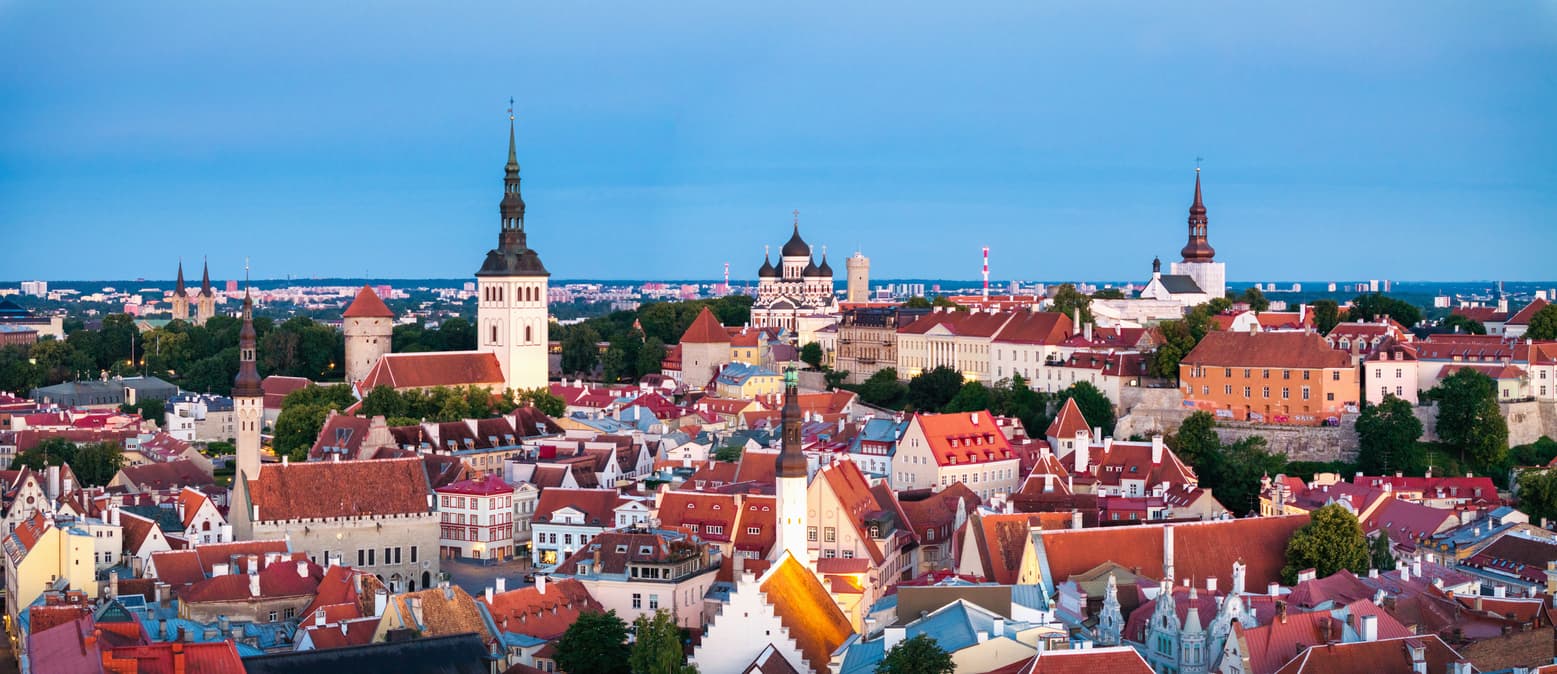
Estonia's 2026 immigration quota caps permanent economic migration at 1,292 people, equal to 0.1% of the resident population, but Americans are exempt. Under Section 115 of the Aliens Act, U.S. citizens are excluded from the cap alongside nationals of the United Kingdom, Japan, and EU, EEA, and Swiss citizens.