The State Department will move an American who can't get home. Then it sends a bill. An American who doesn't pay that bill can lose the passport that made the trip possible.
The second half rarely makes the news. The first half just did. In June the department committed $750,000 to charter a trimaran and carry one asymptomatic woman off Pitcairn Island. The total still wasn't final when the yacht sailed, the Associated Press reported.
What the government charges for a retrieval like that, and what an unpaid repatriation loan does to a passport, runs on rules that predate the case by decades.
The reimbursable rule
Congress attached a condition to the evacuation money. Under 22 U.S.C. 2671, the department may spend emergency funds on "the evacuation when their lives are endangered by war, civil unrest, or natural disaster" of federal employees, their dependents and "private United States citizens or third-country nationals, on a reimbursable basis to the maximum extent practicable."
State's public guidance repeats it without the legalese. Americans moved out of danger "will be asked to complete the Form DS-5528 agreeing to repay the U.S. government, and will be billed after the transportation is complete." Evacuation is a service, not a benefit.
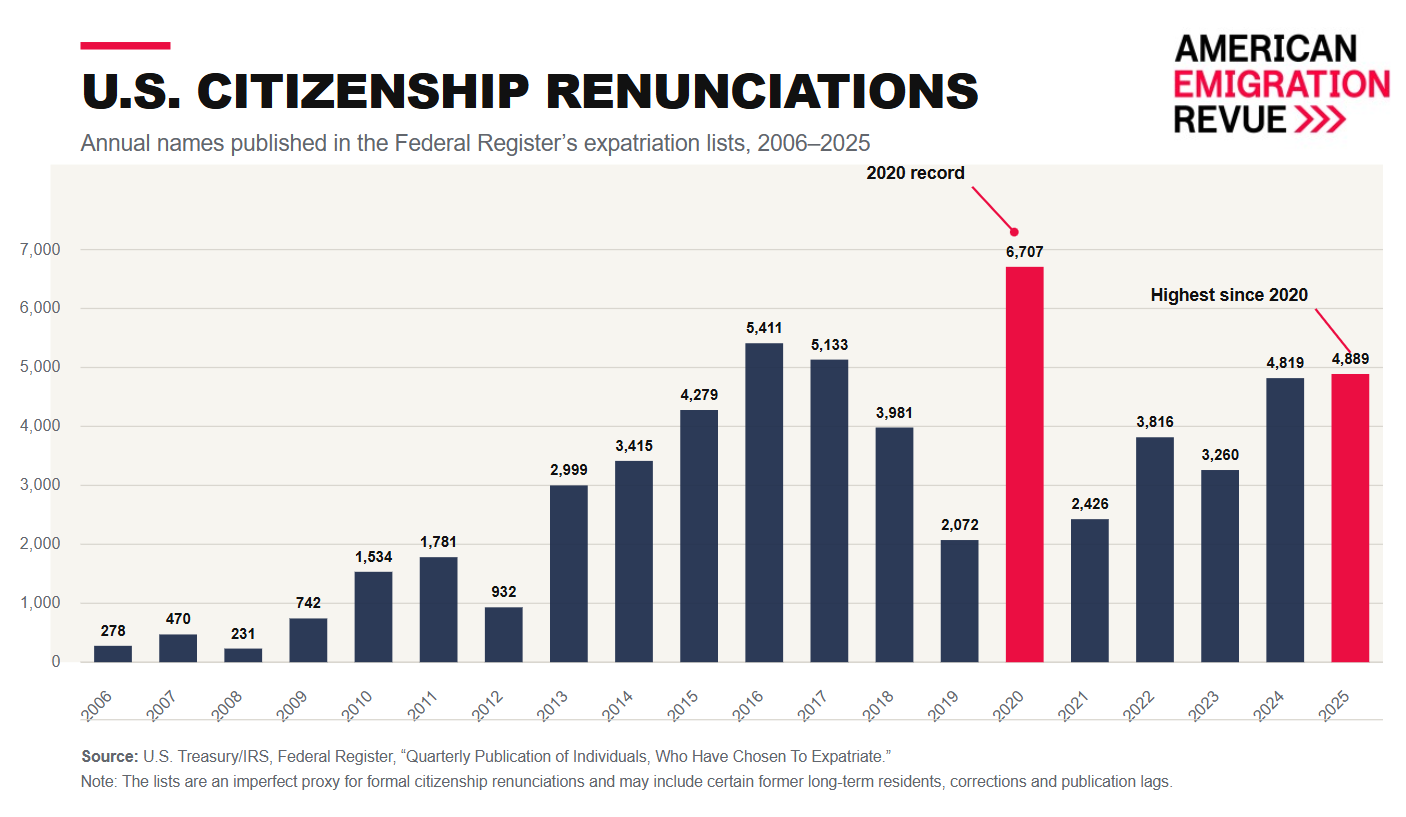
The department charges for consular services as a rule. It cut the citizenship renunciation fee from $2,350 to $450 in 2026, and even at $450 renouncing costs Americans far more than the headline number. Evacuation works the same way.
What evacuation assistance covers
The department's role starts where commercial options stop. "When commercial options are not available, and if it is safe to do so, we coordinate transportation, whether by land, sea, or air," the guidance states. It also draws hard edges. The government generally can't provide in-country transportation during a crisis, and it generally can't move pets.
Pitcairn is the extreme version of unavailable. The British overseas territory has no airport and no seaport, and residents reach passing ships by longboat through Bounty Bay. French Polynesia refused to let the woman transit Tahiti on the way out, after she reached the island without disclosing her exposure to Andes hantavirus, which left a chartered vessel as the only way off.
Medical evacuation is a separate, stricter track
Crisis evacuation and medical evacuation aren't the same program. "The U.S. Government generally does not fund free-of-charge service for medical evacuation of private U.S. citizens from overseas," 7 FAM 364.1 states. The manual puts both the decisions and the costs on the patient and family.
Consular officers stay out of the arrangements by design. Unless the traveler is receiving a repatriation loan, 7 FAM 363.1 says, "post generally should not become responsible for or involved in travel arrangements."
What a repatriation loan pays for
A repatriation loan is the mechanism for travelers who can't cover their own way home. 7 FAM 370 extends it to "destitute travelers and U.S. citizens residing abroad, including medical evacuations to the United States."
The covered expenses are a defined list:
Temporary food and lodging pending repatriation to the United States
Visa fees, airport departure fees and immigration penalties
Medical expenses necessary to stabilize a patient for evacuation
"Reasonable and appropriate transportation costs for the repatriation recipient(s)"
Authorized escort fees and related expenses
Destitute is a defined term, not a description. Under 7 FAM 373.2 it means little or no visible means of support, no family, friends or employer able to help, inadequate food or shelter and no funds available to pay for repatriation. A traveler with assets doesn't qualify.
The repayment clock
Borrowers sign Form DS-3072, a loan application and promissory note in one. It covers three categories: repatriation, emergency medical assistance and dietary assistance abroad.
The terms are specific. Borrowers promise to repay "within 30 days of initial billing." Interest attaches if the loan isn't repaid within 60 days.
The statute sets that rate by reference to federal debt-collection law and adds a penalty charge of 6% a year on any debt more than 90 days past due. Collection costs fall on the borrower too.
Limited passports, denial and revocation
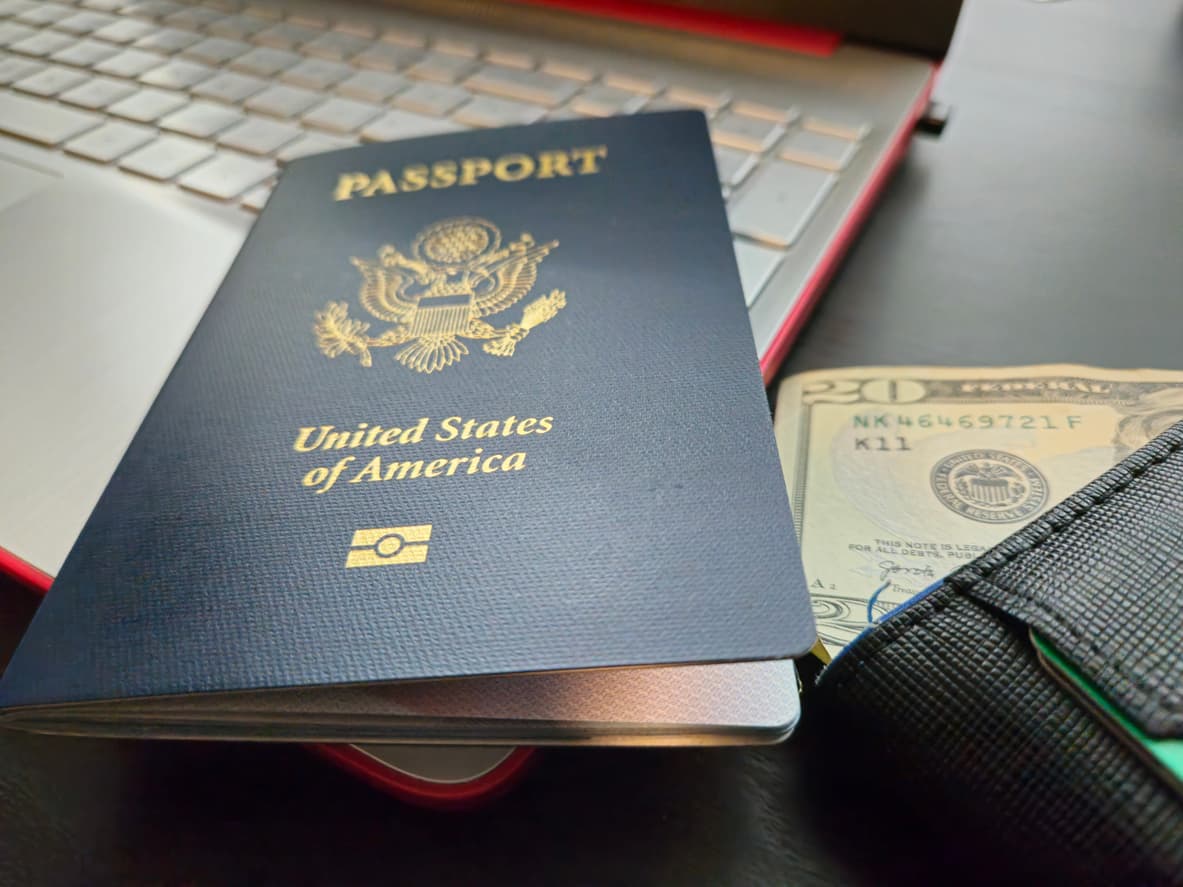
Nonpayment reaches the travel document before default does. That document is now held by 48% of Americans, up from 5% in 1990. While a repatriation loan is outstanding, the DS-3072 states, the borrower and any listed U.S. citizen family members "will only be eligible for a limited validity U.S. passport."
Default closes that door. Under 22 CFR 51.60(a)(1), denial is mandatory when an applicant "is in default on a loan received from the United States under 22 U.S.C. 2671(b)(2)(B) for the repatriation of the applicant." A separate discretionary provision at 51.60(c) covers unpaid loans short of default, including emergency medical loans under 22 U.S.C. 2670(j).
The passport already in hand isn't safe either. Under 22 CFR 51.62(a)(1), the department may revoke a passport when its bearer "may be denied a passport under 22 CFR 51.60," which folds the default ground into revocation authority. Denial blocks the next passport. Revocation reaches the current one.
What the Pitcairn case does and doesn't show
It shows the ceiling. The department will charter a private vessel and cross 1,400 miles of Pacific for a single citizen who isn't sick, once a foreign government has closed the commercial route.
It doesn't show the bill. Whether the woman signed a DS-5528, a DS-3072 or neither hasn't been reported, and neither has the final cost. State said only that "when an American is at risk abroad and unable to access commercial transportation, the Department of State seeks to provide appropriate assistance to get them home to the United States or to another safe location."
The gap matters because the two tracks end in different places. One is a line item in a consular budget. The other is a promissory note that can shrink a passport to limited validity, block the next one and revoke the one already issued.