The Pentagon has removed the option on overseas voter forms that let Americans born abroad say they have never lived in the United States. The change came weeks before the Sept. 19 deadline for states to mail midterm ballots overseas, and it skipped the normal review process for federal forms.
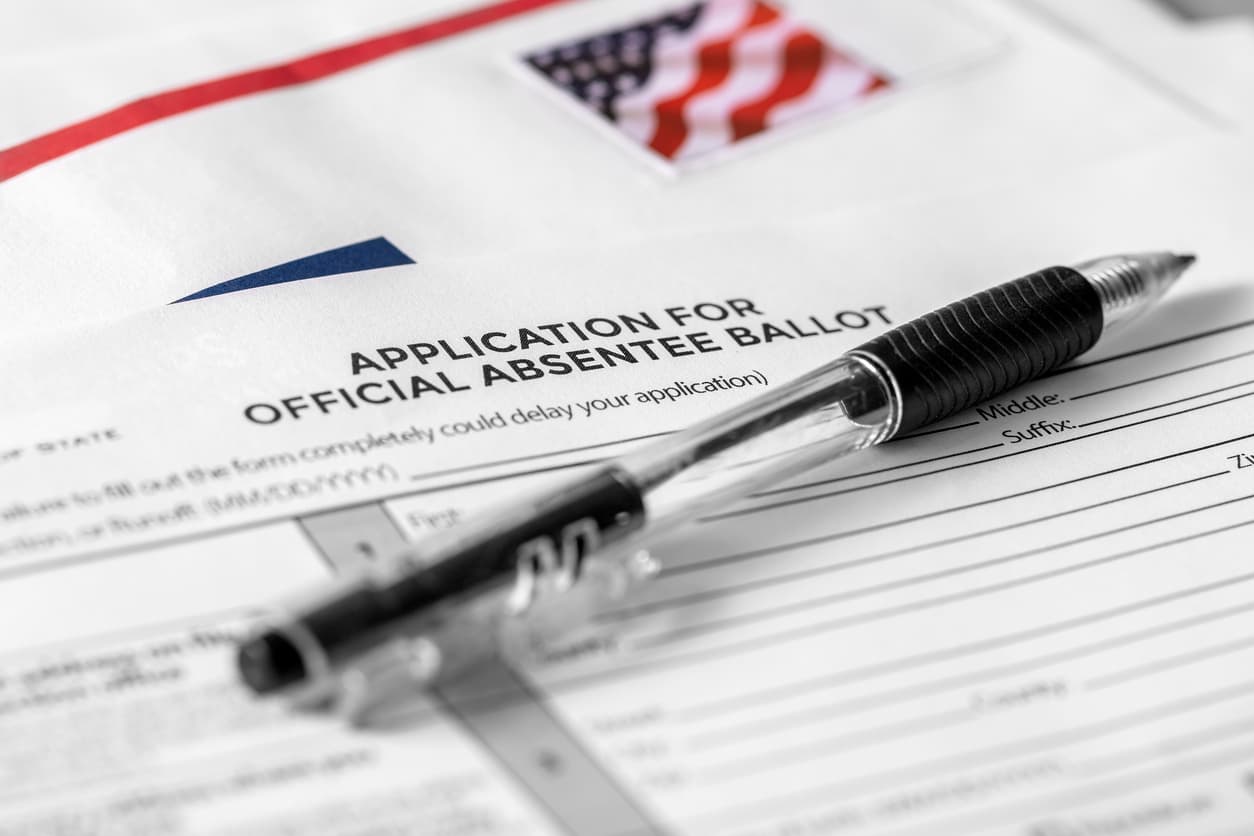
The current Federal Post Card Application, revised in August 2026, gives civilians abroad two choices. They can declare that they intend to return to the U.S. or that their intent to return is uncertain. Neither describes a citizen who has never lived in the country. The Federal Write-In Absentee Ballot, the backup ballot for voters whose state ballot doesn’t arrive, dropped the same category.
Some version of the “never lived in the United States” checkbox had been on the forms since 2013. NPR first reported the change Sept. 30.
How the change skipped the usual process
The Federal Voting Assistance Program, which runs both forms, normally changes them through a review that takes months.
This time the Pentagon filed emergency requests in August. Sean O’Keefe, the Pentagon’s deputy under secretary for personnel and readiness, justified them in an Aug. 28 letter. He argued that the old format could confuse voters about what federal law requires and whether they were eligible to use the forms.
The program announced the updated forms days after the White House approved the requests. The public comment period didn’t open until Sept. 10, more than a week after the change took effect. It runs through Nov. 9, according to the U.S. Vote Foundation, six days after Election Day.
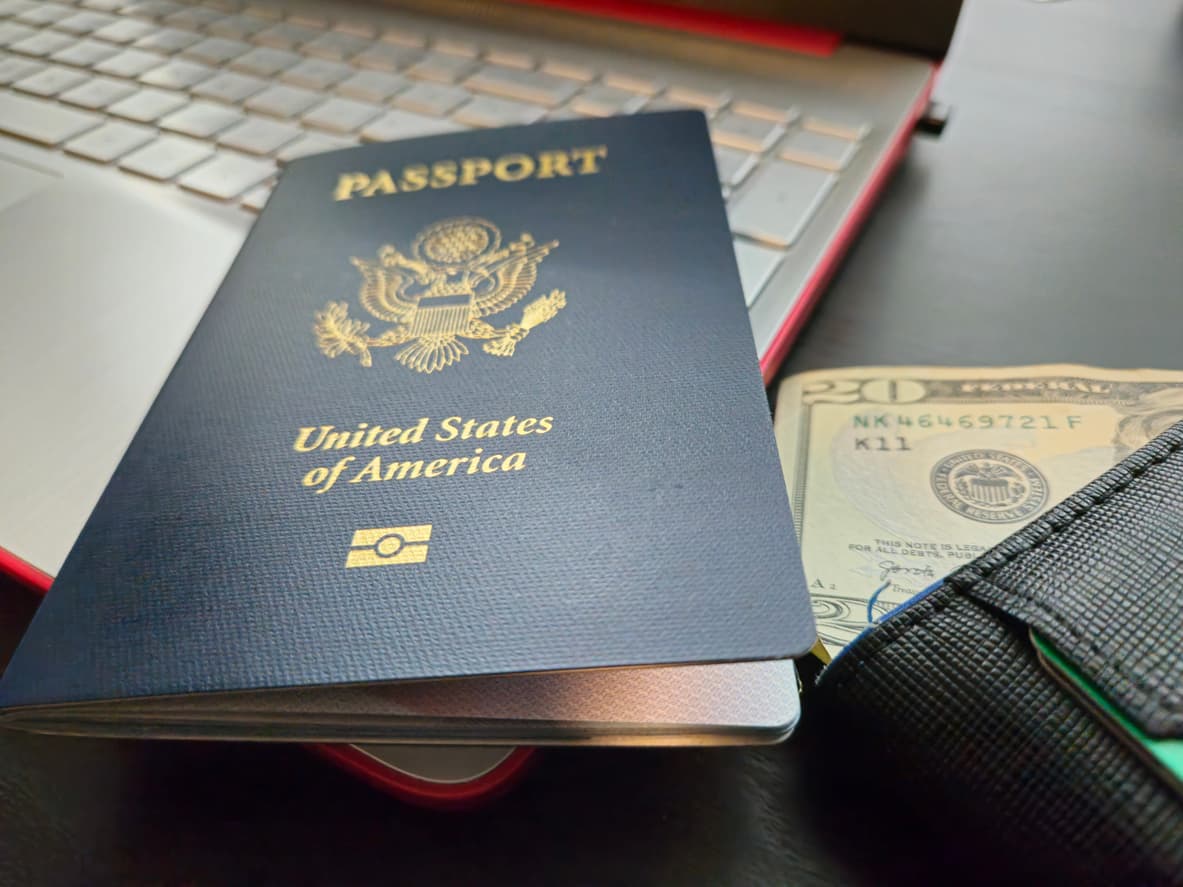
The forms also carry revised voter identification language. The foundation says the ID section now points voters to state instructions that don’t appear on the form. It also lists a U.S. passport as an ID option, though election officials can’t verify passports.
Who loses the checkbox
Never-resident voters are adults born abroad who register using the last U.S. address of a parent or legal guardian. Some states also accept a spouse’s address.
Federal absentee voting law protects citizens who left a state, not citizens who never lived in one, so the states decide whether these voters can take part. About three dozen states and D.C. allow it, according to the U.S. Vote Foundation.
The population is small. Nebraska is the only state where a count has surfaced. An election official put 116 voters on the state’s rolls under its never-resident provision, AER reported in August.
The form change lands amid eight lawsuits
The Republican National Committee has sued over never-resident voting in eight states:
Michigan
North Carolina
Arizona
Virginia
Nebraska
Colorado
Nevada
New Jersey
A Michigan trial court dismissed the RNC’s second suit April 22. In North Carolina, a judge ruled June 9 that people who have never lived in the state can’t register or vote in any state or federal contest there. The other six cases have no merits ruling.
The new forms don’t change any state’s law. A never-resident voter who qualifies under state law still qualifies. What’s gone is the federal form’s way of saying so.
What the Pentagon says voters can do
The Pentagon told NPR that states can process any form or application that provides the information needed to verify a voter’s eligibility. The program’s August newsletter said states may still accept earlier versions of both forms submitted before their deadlines, according to the U.S. Vote Foundation.
The foundation and its sister site, Overseas Vote Foundation, still serve the unchanged forms.
The Pentagon hasn’t said which of the two remaining boxes a never-resident voter should check. The foundation has asked it to restore the category or publicly explain how affected voters should identify themselves.
What this means for never-resident Americans voting in the midterms
Eligibility hasn’t changed in the states that allow never-resident voting, except North Carolina, where the June ruling already bars them.
The federal form no longer has a box for them, though, and the Pentagon hasn’t told them which box to use. Until it does, the safest routes are an earlier version of the form, a state’s own registration method or a direct check with the local election office before the state’s deadline.