Never-resident voters, Americans born abroad who never lived in a US state, face RNC suits in eight states. Michigan and North Carolina split.
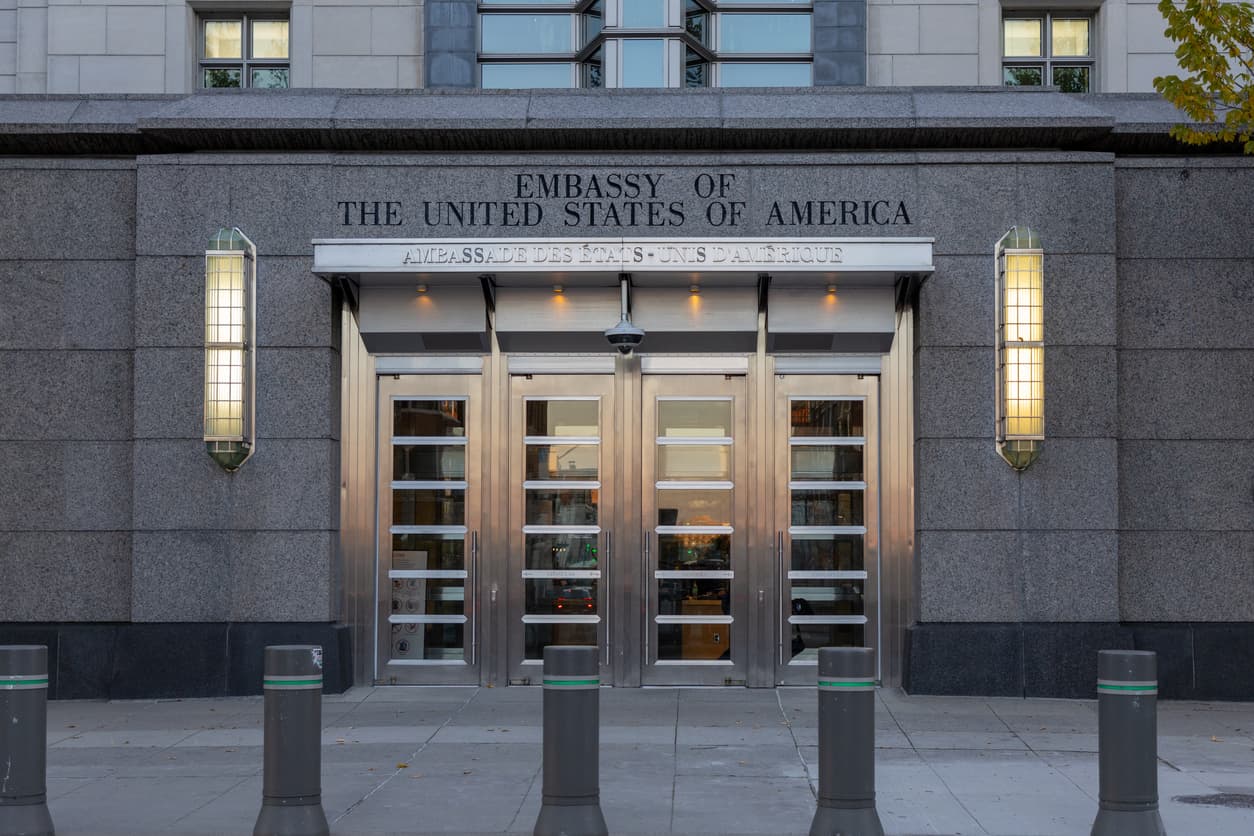
The State Department plans 5 US consulate closures with no date announced. Four of the posts don't handle passports. Only the Grenada embassy serves citizens.
The State Department will charter a yacht to retrieve a stranded citizen, then bill for it, and an unpaid bill reaches the passport.
The Taxpayer Assistance and Service Act cleared Senate Finance 26-1 with three provisions for Americans abroad. The bill as introduced in February had five.
US citizens leaving DR Congo can't board flights home for 21 days. DHS used aviation security law to reach travelers the CDC entry order excludes.
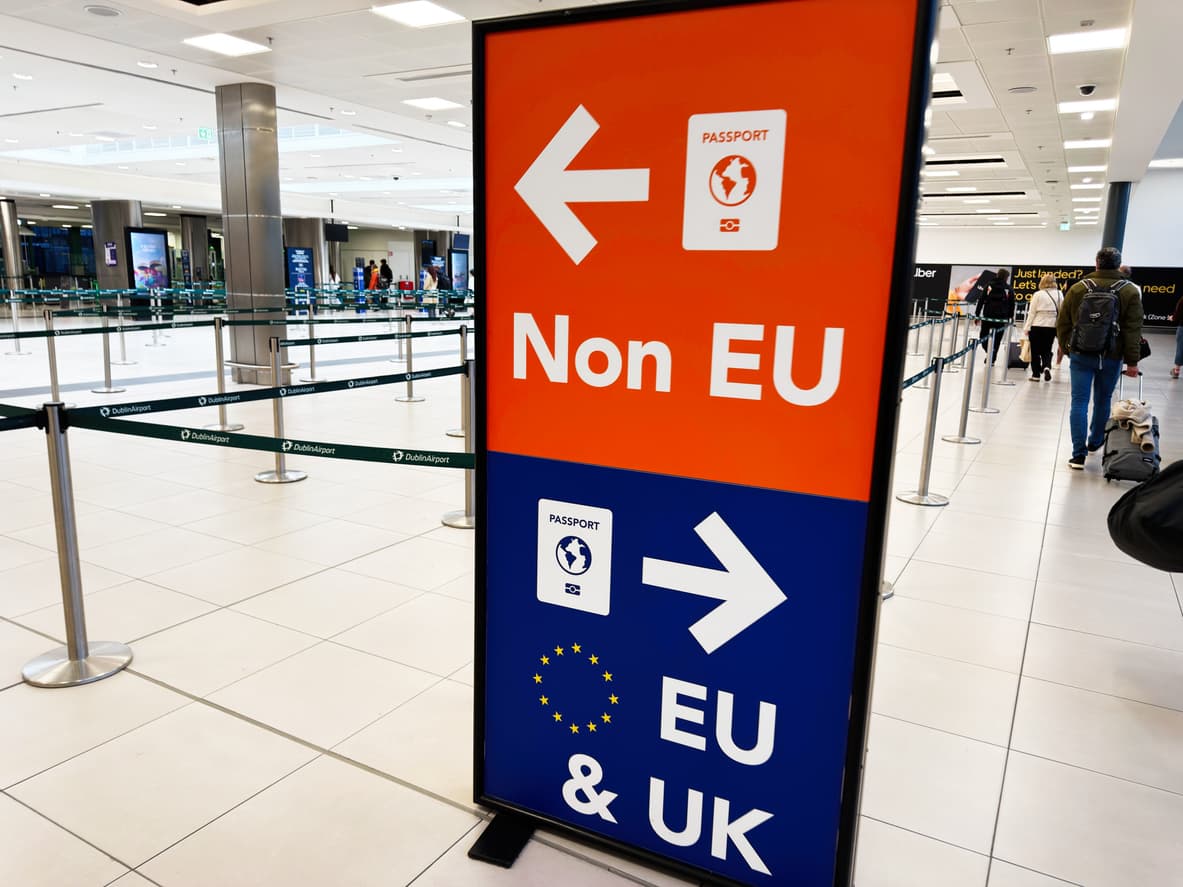
The EU Entry/Exit System exempts Americans holding residence permits, but Irish and Cypriot permits still trigger biometric registration at Schengen borders.
Italy's Constitutional Court ordered an Italian citizenship referral to the EU Court of Justice, suspending judgment on the 2025 descent restriction.
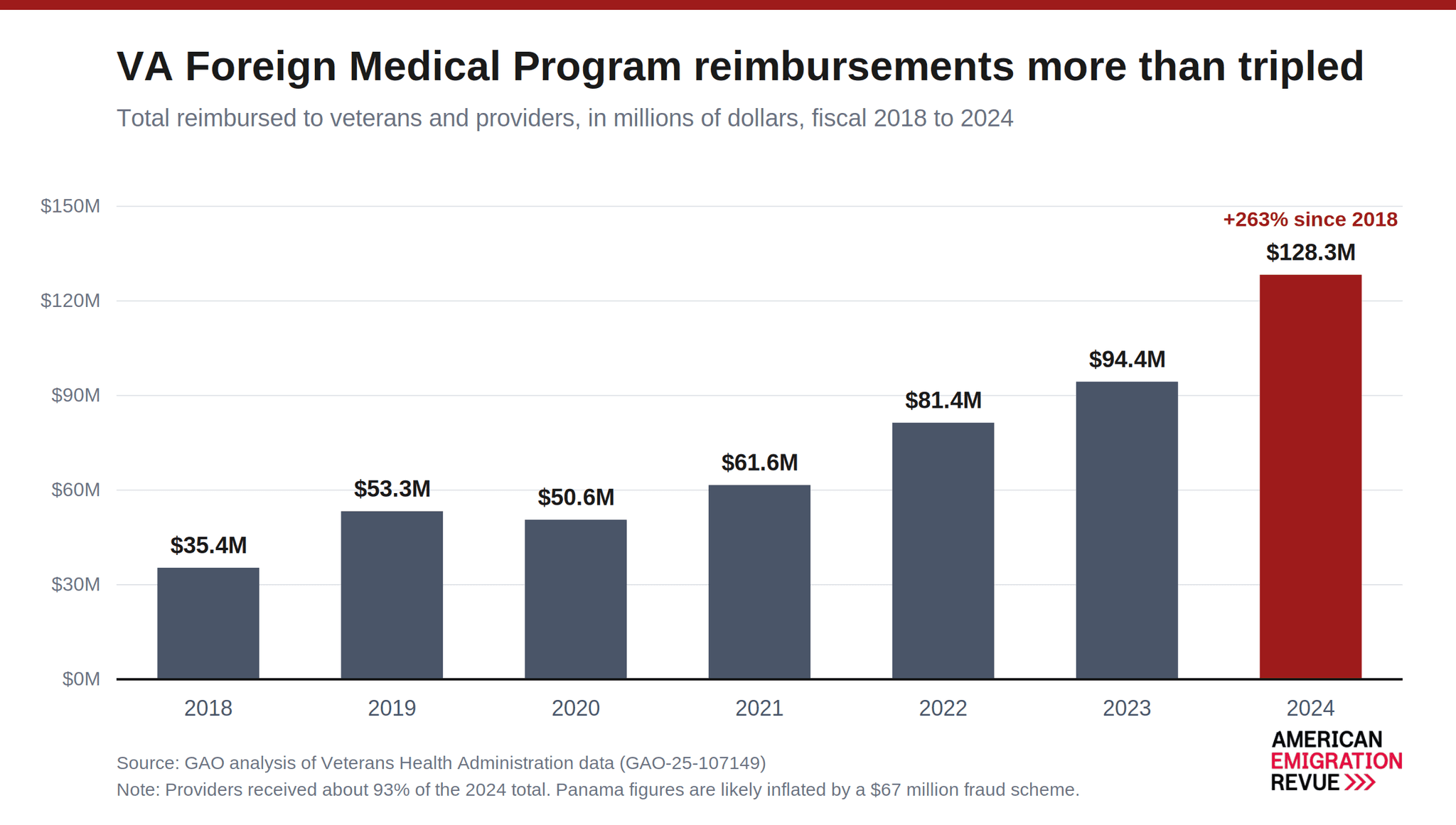
VA Foreign Medical Program payments jumped 263% since 2018, but veterans abroad still wait for direct deposit until 2027 while U.S. accounts get paid first.
A growing number of Americans are returning home after living abroad, prompting financial advisers to dub them "boomerangs." But despite the trend, no US agency tracks how many citizens move back.
A Scottish employment tribunal ordered PizzaExpress to pay an American waiter £5,469 (about $7,100) after a coworker repeatedly told him to "go back to your country" and called him a "Yank." The tribunal did not rule that "Yank" is inherently racist. Instead, PizzaExpress admitted the remarks amounted to unlawful racial harassment under UK law.
American seismologist Youlin Chen has spent more than 600 days detained in China without trial on espionage charges that could bring a life sentence. His family has now gone public, warning that Chen's case highlights how Beijing's expanded national security laws can turn publicly available research into alleged state secrets, putting American academics and researchers at greater risk.
The Internal Revenue Service published 1,462 names on its latest quarterly list of U.S. citizenship renunciations for the first quarter of 2026. That's up 13.8% from the same quarter a year earlier and marks the second-highest quarterly total in the past year. The increase is notable because it occurred before the government lowered the fee to renounce U.S. citizenship.
American citizens received 80,424 first EU residence permits in 2024, up 1.9% from 78,911 in 2023 and the highest annual total in Eurostat's series going back to 2013. The increase came as overall EU permit issuance declined, making Americans one of the few nationality groups to record year-over-year growth.
A Treasury watchdog report released April 8, 2026 found the IRS is not converting FATCA data on high-balance nonfilers into enforcement cases, despite the law's original mandate to target offshore tax evasion. The compliance burden created by FATCA's reporting requirements continues to fall disproportionately on ordinary Americans living abroad, including those seeking basic banking access.